DCPA NEWS CENTER
Enjoy the best stories and perspectives from the theatre world today.

Hamid Dehghani
These days, Iran appears in the news mostly through the language of crisis: war, repression, destruction, and fear. We see distant images of cities, explosions, and uncertainty. We hear about lives interrupted or lost, about people struggling under forces far larger than themselves. But what we rarely see are the intimate human spaces inside those headlines: a classroom, a conversation, a private longing, a quiet act of reinvention.
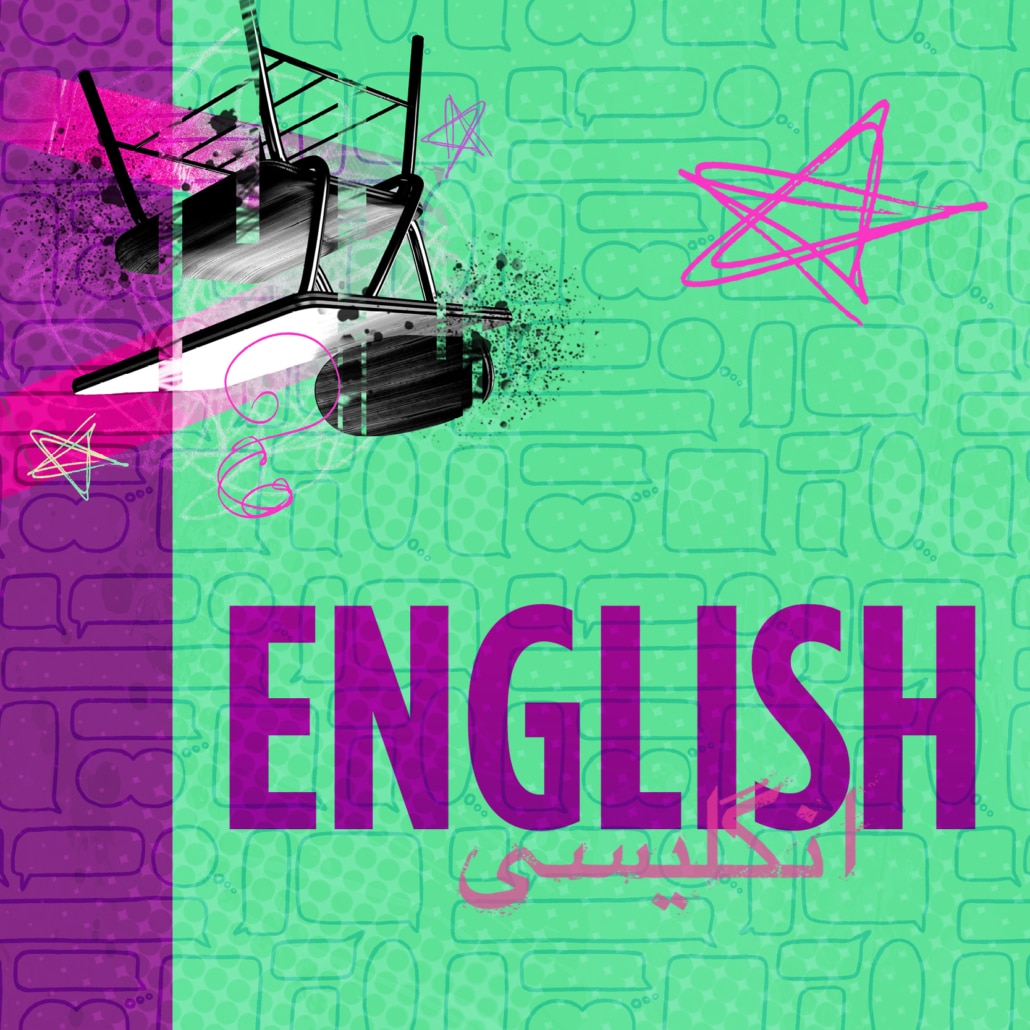
English takes us into one of those spaces.
Set in a TOEFL (Test of English as a Foreign Language) class in Iran, Sanaz Toossi’s play invites us into a world that exists quietly inside the larger realities we hear about in the news: a classroom where people gather, speak, hesitate, and try to express themselves in a language that is not their own. But that journey is never simple. To learn a new language is not only to memorize words. It is to feel your sense of self begin to shift. It is to discover that your humor, your confidence, your intelligence, even your soul can feel harder to express. And yet many people choose that path because they are searching for a life that feels more possible.
That experience is deeply personal to me. I began learning English in Iran as part of my effort to come to America, study theatre, and build a new life. What I thought would take a short time became years of struggle. I built my days around English, and gradually I began to feel how profoundly language could reshape one’s sense of self. In a new language, I often felt less articulate, less funny, and less fully myself than I was in Persian. At times, English no longer felt like the solution; it felt like the problem. And yet, over time, I came to understand that this struggle was not separate from me, but part of who I was becoming: someone living between languages, between worlds, carrying one identity while slowly building another. Even my accent became part of that journey — not something to hide, but something that carried its own history, texture, and truth.
That is one of the reasons this play moves me so deeply. Although it is rooted in the lives of these Iranian characters and in the complicated relationship each of them has with language, it speaks to something universal: the desire to be seen, heard, understood, and accepted. It is about language, but also about belonging, identity, and the fragile, complicated process of finding and becoming oneself.
At this particular moment, that feels especially important. English offers American audiences a chance to encounter Iranian people not through politics, statistics, or distant images of crisis, but through their humanity — their humor, intelligence, insecurity, tenderness, and dreams. In the language of theatre, it creates a space of connection. It brings the lives of Iranian people close to an audience here in Denver and reminds us how much we share with one another.
I hope that when audiences leave the theatre and later hear news about Iran, they carry with them not only images of conflict, but a deeper sense of the people living inside those headlines — who they are, what they hope for, and what they are struggling to protect within themselves.
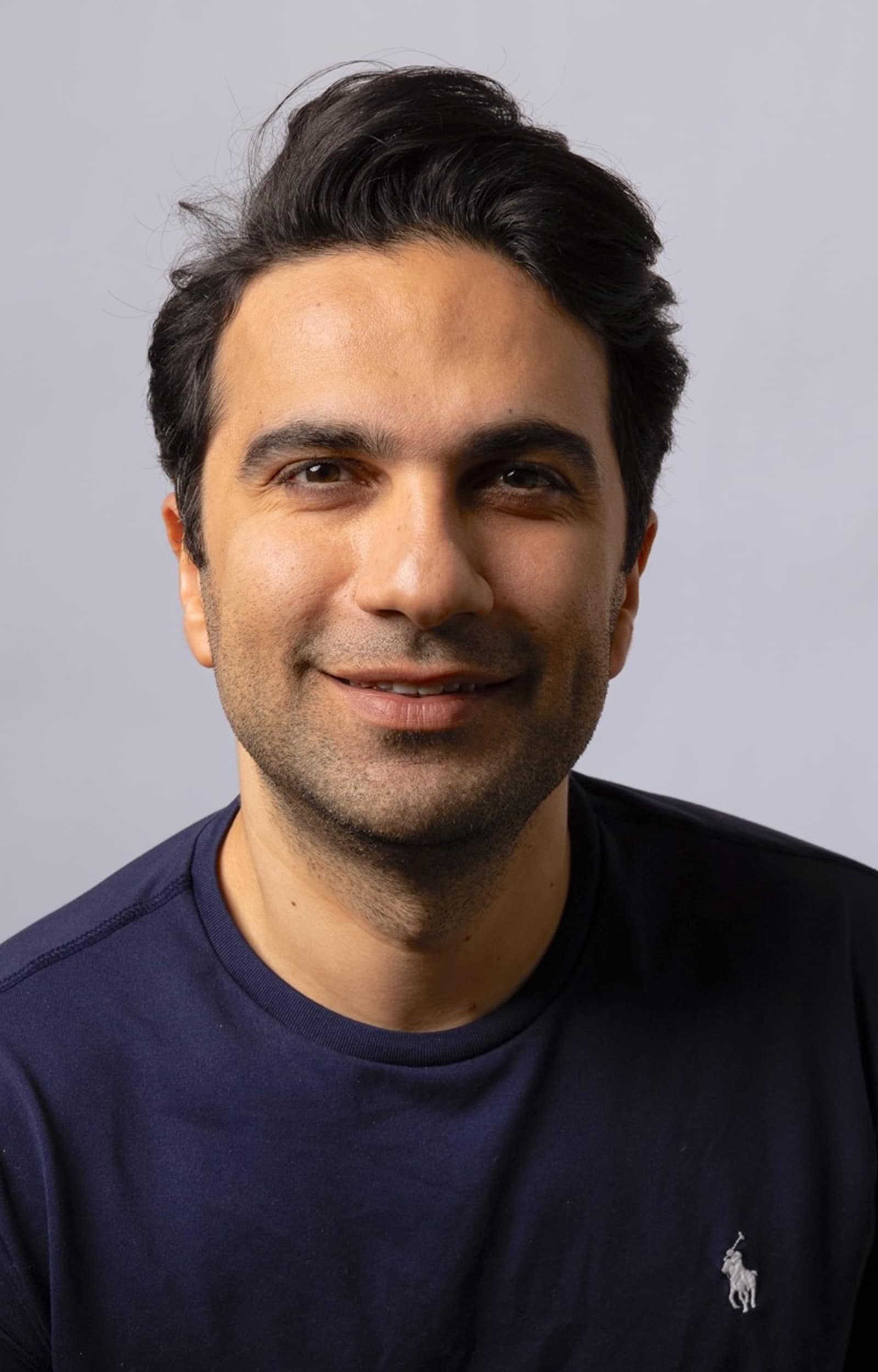
Hamid Dehghani is an Iranian theatre director, playwright, and actor. Recent directing credits include English (Goodman Theatre, Guthrie Theater), Selling Kabul (Northlight Theatre), The Life You Gave Me (Boise Contemporary Theater), and Baba (Amphibian Stage). In Iran, he wrote and directed From the Environs of Milad and Sohrab’s Transgression, and directed Nathan and Tabileth and Leila. During the pandemic, he co-founded Grass Studio Theatre, creating outdoor work for Chicago audiences. Awards/Training: Princess Grace Award in Theatre; directing and playwriting awards in Iran; MFA, Northwestern University; BA and MA, Tehran University of Art.
The Denver Center for the Performing Arts (DCPA) NewsCenter is the organization’s editorial platform for stories, announcements, interviews, and coverage of theatre and cultural programming in Colorado. We are committed to producing accurate, trustworthy, clearly sourced journalism that reflects our mission and serves our community.