DCPA NEWS CENTER
Enjoy the best stories and perspectives from the theatre world today.

 Long before the curtain rises, children already know exactly what they’re going to say.
“No!”
It’s the response readers have been shouting at Mo Willems’ famously persistent pigeon for years. Whether he’s begging to drive a bus, stay up late, or adopt a puppy, the pigeon always invites children into the story by asking them to engage. That sense of participation is one of the reasons Willems’ books have become such successful Theatre for Young Audiences productions at the Denver Center for the Performing Arts (DCPA).
“One of the things that Mo does so brilliantly is he creates stories where the reader feels seen,” says Allison Watrous, Executive Director of Education and Community Engagement.
Unlike many children’s books, Willems’ stories don’t ask young readers to simply follow along. His books invite them to become active participants in the narrative. Children aren’t just watching the pigeon make questionable decisions. They’re part of the conversation. That interaction translates naturally to the stage.
“His stories are about friendship, belonging, and disappointment,” Watrous explains. “They’re things children are experiencing every day.”
Those themes help explain why characters like Pigeon, Elephant, and Piggie have remained beloved by generations of young readers. Underneath the humor and silliness are emotions that feel familiar to children navigating friendships, testing boundaries, and learning how to move through the world. For young audiences, seeing those experiences reflected on stage can be powerful.
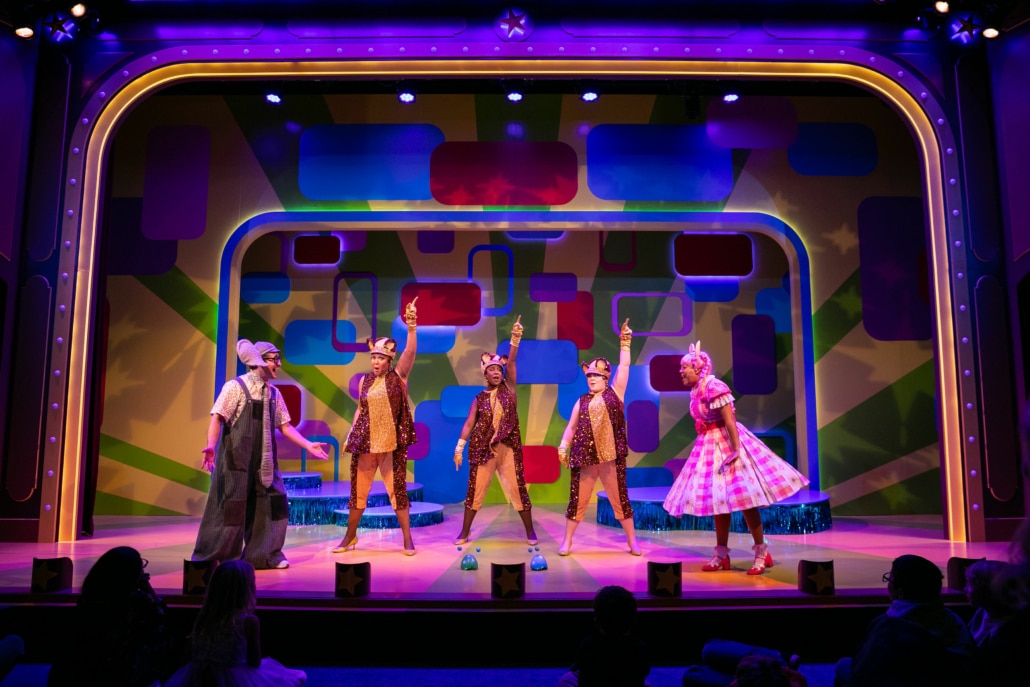
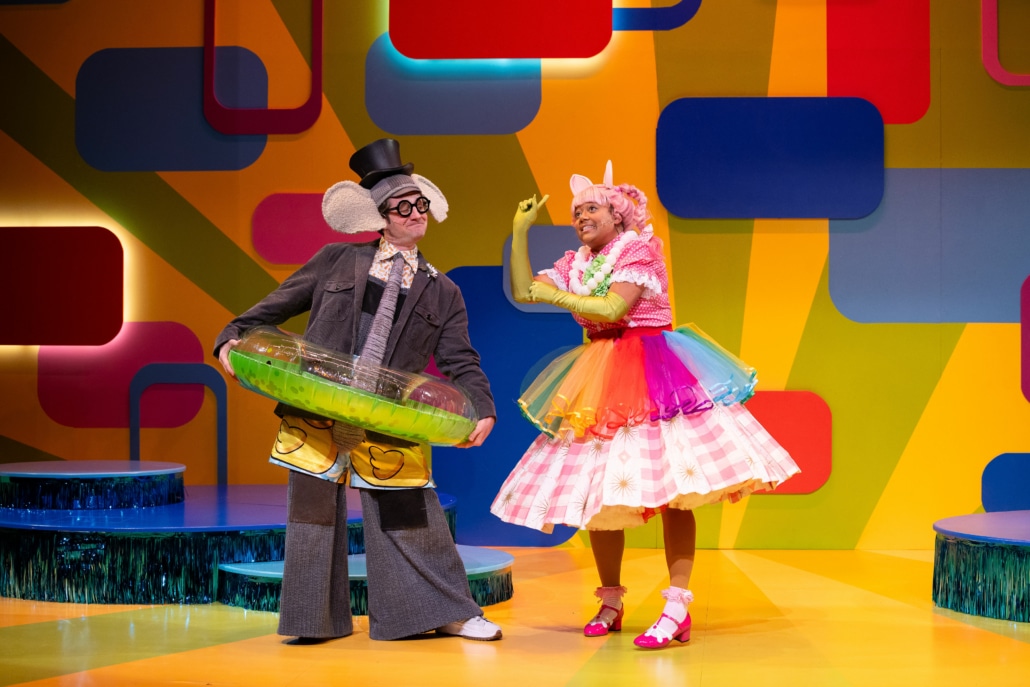
The cast of Elephant and Piggie’s “We Are In a Play”. Photo by Jamie Kraus Photography.That emotional connection is also what makes these stories so adaptable. The books already encourage conversation. Theatre simply takes those elements and expands them. As Watrous explains, “They get to step inside the story.”
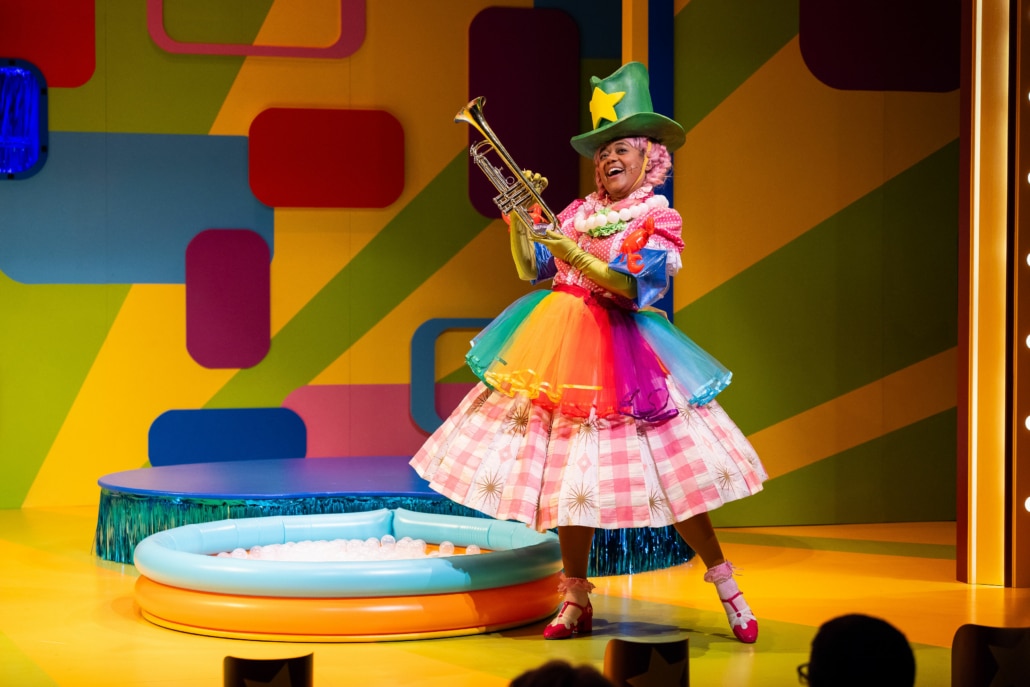
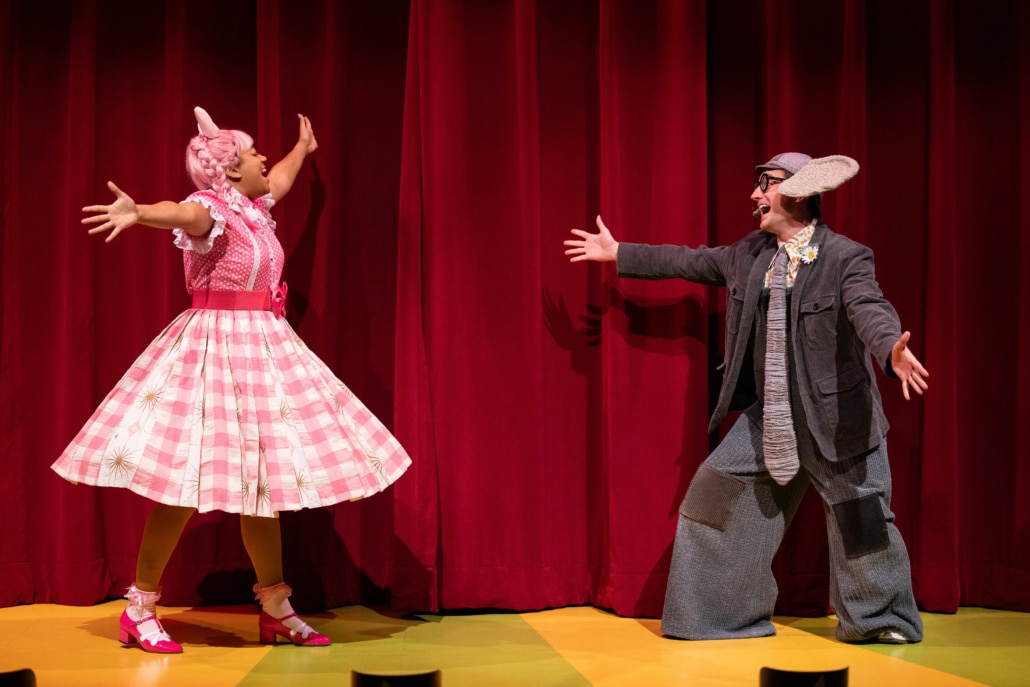
On stage, illustrations become costumes. Pages become scenery. Characters who once lived in a child’s imagination suddenly sing, dance, and interact with the audience in real time.
For many children, it can feel like entering a familiar world rather than visiting an unfamiliar theatre. That’s particularly important for first-time audience members. Young children often arrive already knowing the characters, the story, and even some of the dialogue. Instead of focusing on understanding a new plot, they can devote their energy to experiencing the story in a different way.
Theatre adds movement, music, design, and a room full of people reacting together. That shared experience is one of the things live theatre offers that books cannot.
The Denver Center for the Performing Arts (DCPA) NewsCenter is the organization’s editorial platform for stories, announcements, interviews, and coverage of theatre and cultural programming in Colorado. We are committed to producing accurate, trustworthy, clearly sourced journalism that reflects our mission and serves our community.