DCPA NEWS CENTER
Enjoy the best stories and perspectives from the theatre world today.

by Sally Gass
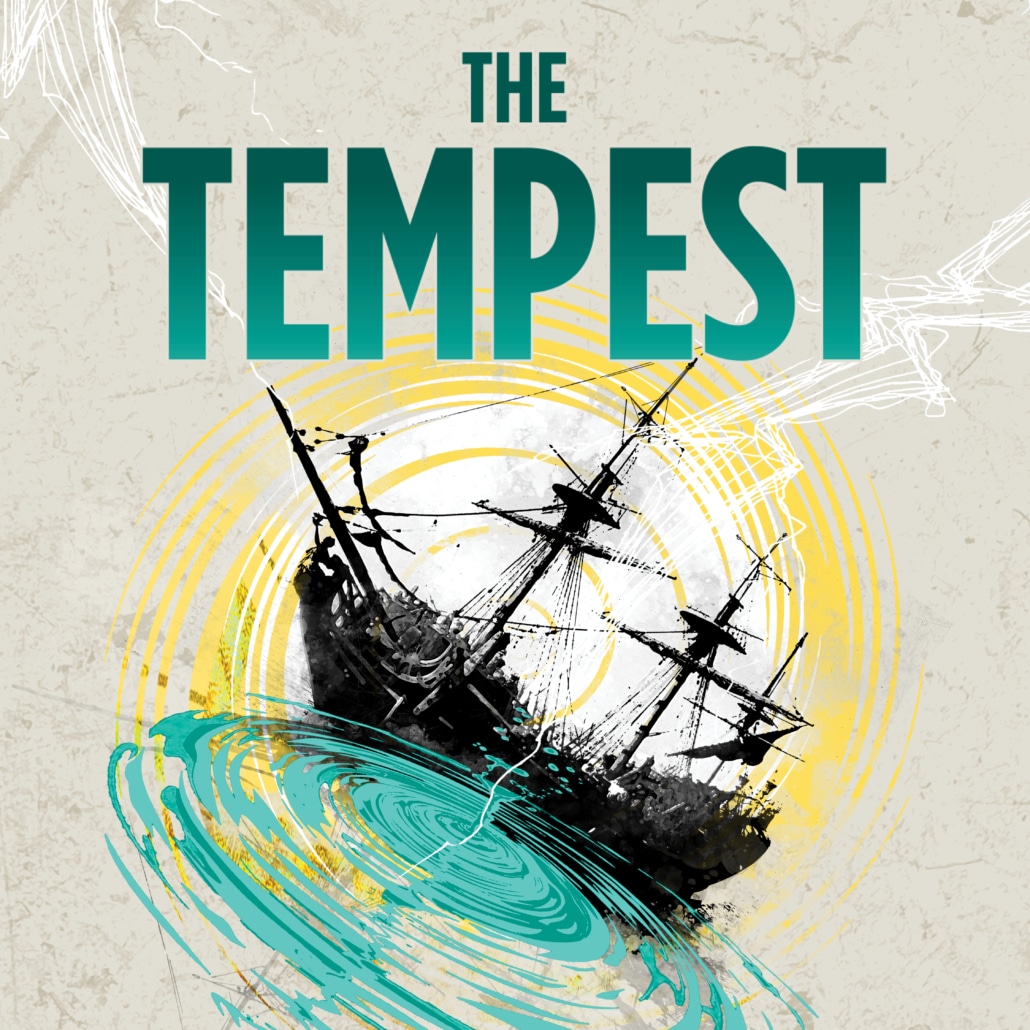
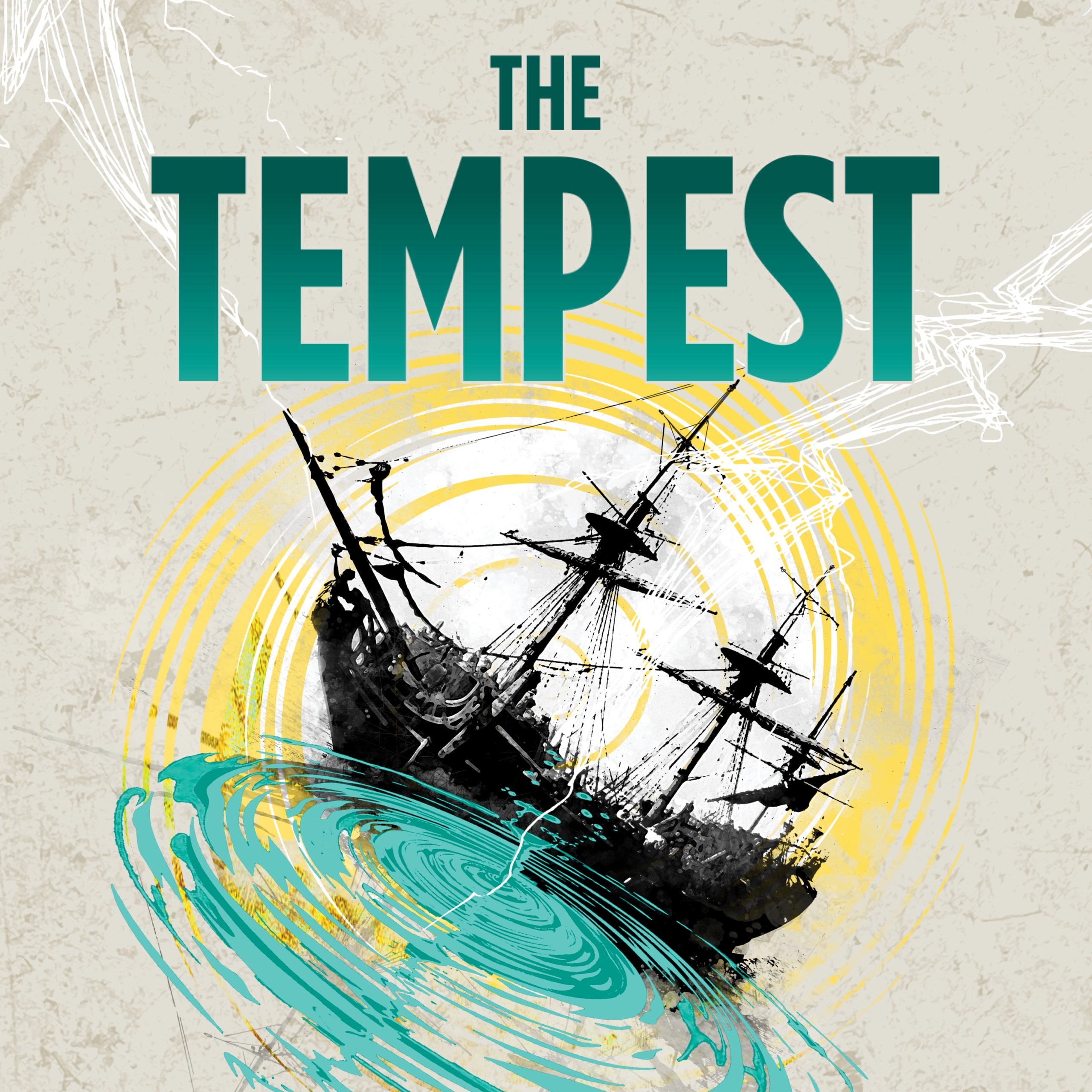 The Tempest was first performed in 1611 at Whitehall Castle for King James and his court. Two years later, it was presented as elaborate entertainment at the marriage of Elizabeth, James’ daughter, to Frederick, the Elector of Palatine. No specific plot sources can be found for the play, but there are general sources and influences that Shakespeare may have drawn upon.
One of these is the Bermuda Pamphlets published in 1610. In May 1609 a fleet of nine ships with 500 colonists under the command of Sir Thomas Gates and Sir George Summers set sail to provide more strength for John Smith’s Virginia colony. On July 25, the ship, the “Sea Venture,” carrying both Gates and Summers was separated from the rest of the fleet by a severe storm. Winds drove the ship toward the coast of Bermuda where the crew was forced to run the ship ashore. There it became lodged between two large rocks and could not be budged. All on board made it safely to the beach while managing to save a good portion of the ship’s fittings and stores. The other ships managed to reach the mainland of North America as planned.
Ultimately, Gates and Summers again set out for Virginia in May 1610; they arrived safely and the news of their adventure reached England in the autumn of the same year. This adventure may have excited Shakespeare’s imagination.
As suggested in The Tempest Notes by L.L. Hilligass, Shakespeare also may have read the unpublished letters of William Strachey, later published as A True Repertory of the Wrack and Redemption. In them, Strachey described the storm as “swelling and roaring as it were by fits,” the scene aboard the ship punctuated by shrieks of women and passengers, the description of the stars and the providential safety of the island of Bermuda.
Or, Shakespeare may well have read the essay “Of Cannibals” by the French philosopher Montaigne. In the essay, Montaigne questions the conventional Renaissance view that society is, by definition, good…that man outside of society, in his natural state is, by definition, bad. Montaigne argued that men, like plants, flourish as well, if not better, in a natural, ungoverned state rather than the artificiality of organized of society.
Gonzalo voices this view in his speech in Act II, Scene i when he argues for a “commonwealth” in which there would be no “magistrate.” In addition, Shakespeare may have taken the word “cannibal” and made from it an anagram and an important character’s name…Caliban.
The Denver Center for the Performing Arts (DCPA) NewsCenter is the organization’s editorial platform for stories, announcements, interviews, and coverage of theatre and cultural programming in Colorado. We are committed to producing accurate, trustworthy, clearly sourced journalism that reflects our mission and serves our community.