DCPA NEWS CENTER
Enjoy the best stories and perspectives from the theatre world today.

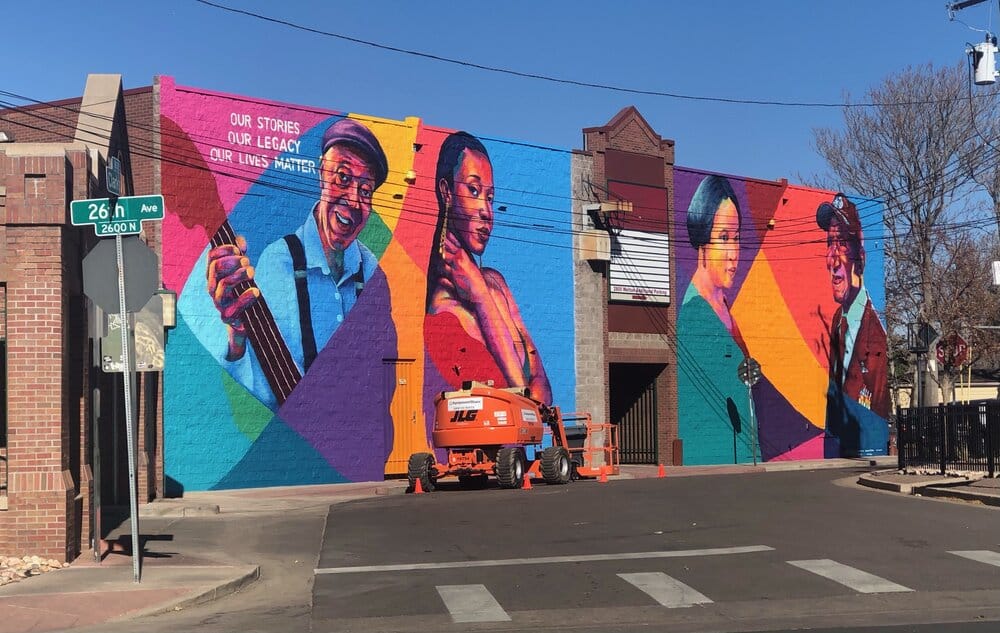
Photo courtesy of Five Points Atlas
The musical Hell’s Kitchen is more than a young girl’s coming of age story – it is the story of a place and a time – a notorious, vibrant, ethnic neighborhood that was rife with crime in the 90s but also a center for cultural innovation where the dramatic arts could flourish. Since that time, all of greater New York has undergone a dramatic transformation brought about by technological advances and an influx of wealth. Locals initially believed Hell’s Kitchen would be able to withstand the gentrification efforts but it, like the surrounding communities, eventually succumbed.
Thousands of miles away, Denver, Colorado has undergone a similar transformation during the same time period. Its neighborhood of Five Points performed a similar role to the metropolitan area of Denver as Hell’s Kitchen did to New York. Redlining housing practices succeeded in denying working class members of oppressed populations (Irish American immigrants in the East; African Americans in the West) access to other neighborhoods, relegating them to these areas; however, in both instances, the communities thrived. They evolved into cultural meccas that provided a haven where the arts could flourish. Just as Hell’s Kitchen is now home to an incredible theater scene, Five Points earned the moniker the “Harlem of the West” initially because of the vibrancy of its jazz scene, yet, it has grown to encompass more than that.
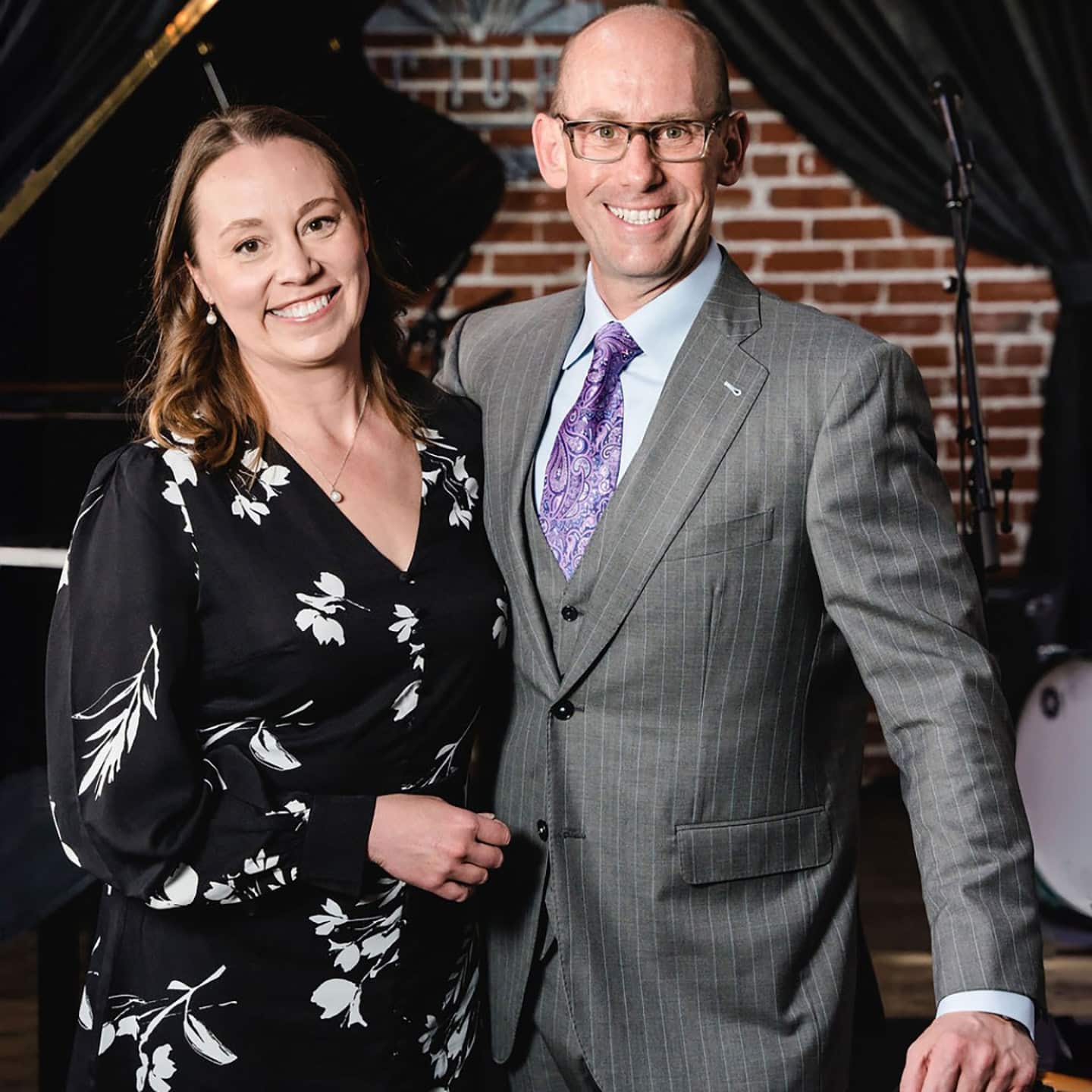
When Scott Mattson stepped into the abandoned warehouse on 27th Street in Denver in 2014, he knew he’d found a home for Nocturne, a jazz and supper club. In partnership with his wife, hospitality expert Nicole, the musician/manager/sommelier transformed the industrial space into a destination committed to fine dining, artistic excellence, and exceptional customer service. Commenting on their successful first decade, Nicole notes that “Culture is a huge driver of success.” Acknowledging the tradition of great music and performance for which the neighborhood is known, Scott says “we are honored to be part of the storyline,” as he comments on their commitment to integrating Nocturne into that larger cultural tradition.
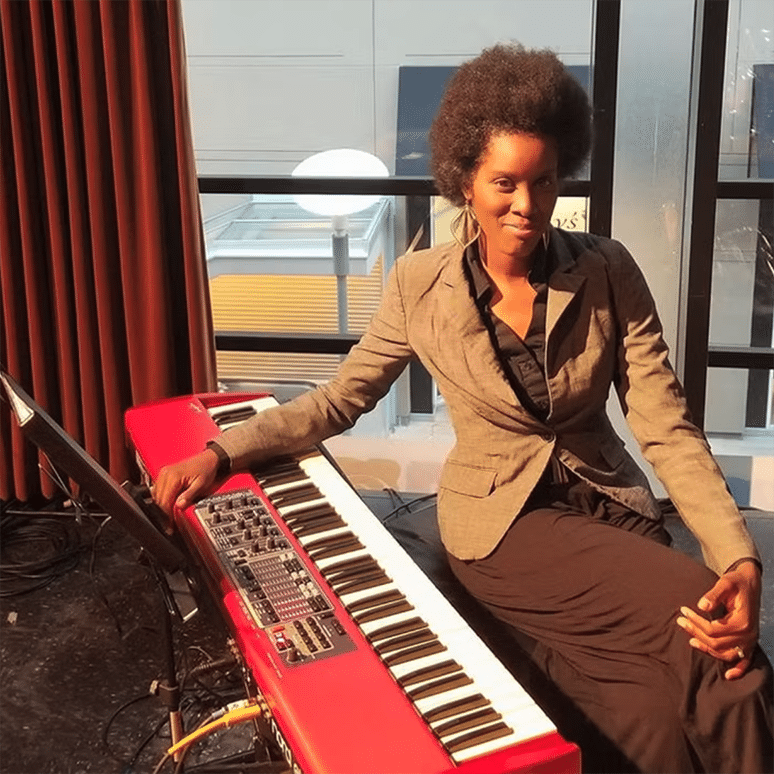
A frequent performer at Nocturne, Tenia Nelson grew up in the milieu of the Five Points jazz music scene. “It was so community driven, so community based, and everyone knew each other,” she reflects. The jazz pianist, percussionist, composer, arranger, and music educator feels honored to play in some of the same spaces as Billie Holiday, Duke Ellington, Ella Fitzgerald, Louis Armstrong, and Miles Davis. “It’s always 5 Points until I die,” she says with a smile.
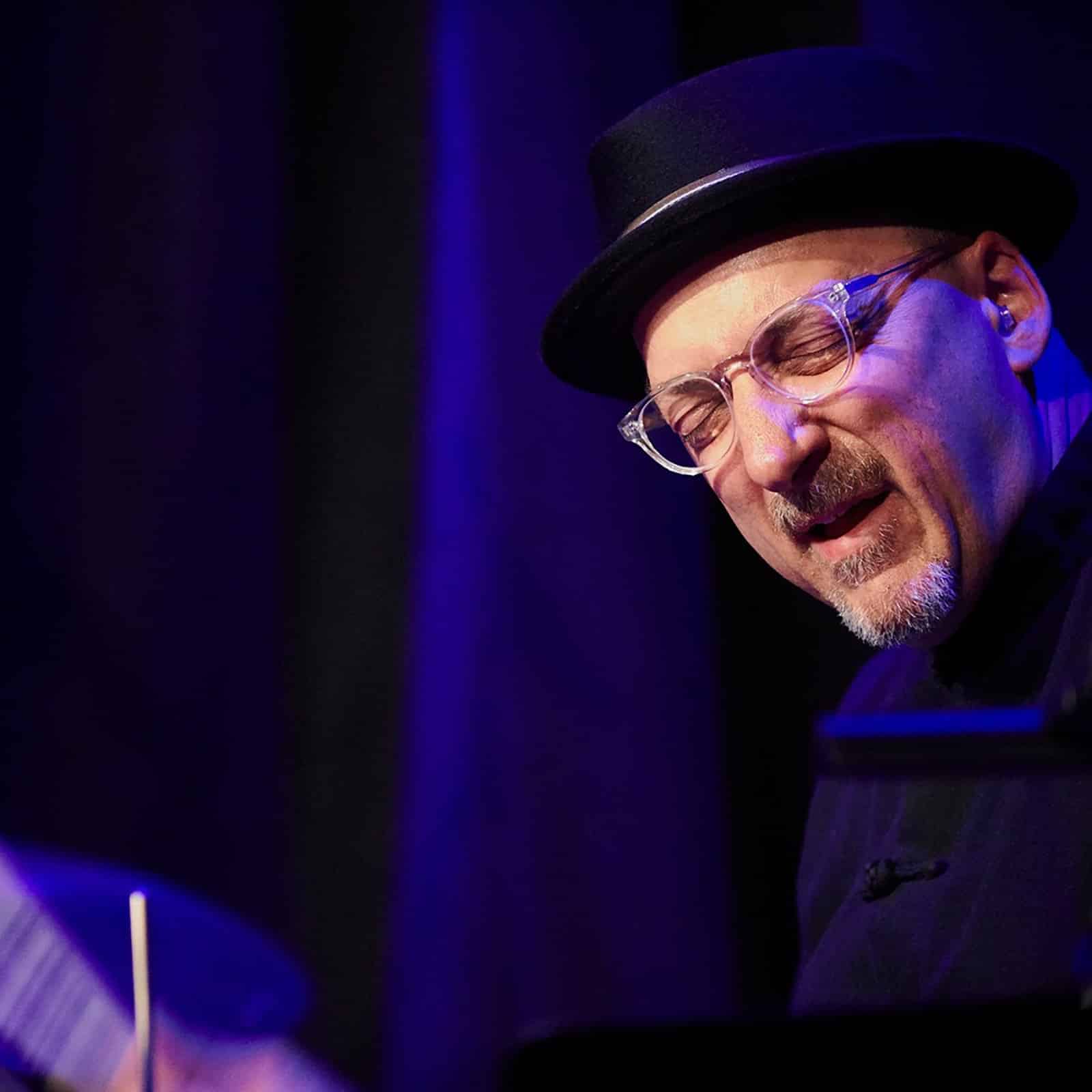
Todd Reid recalls the first concert he ever attended – his father took him to see Count Basie when he was 9 years old. “I’ve been hooked ever since,” he says. Over the course of his career as a jazz drummer, he has performed in several of the great venues in Five Points and has witnessed how gentrification has up-ended the community. “Any change in community is going to be disruptive,” he notes; nevertheless, he believes it is critical that Denver “continue to allow people like Scott and Nicole [Mattson of Nocturne] to provide spaces for people to experience the arts of all kinds.” When it comes to jazz, Todd says he will “…continue to push for its voice because I know the impact it’s had on my life and I’m grateful for it.”
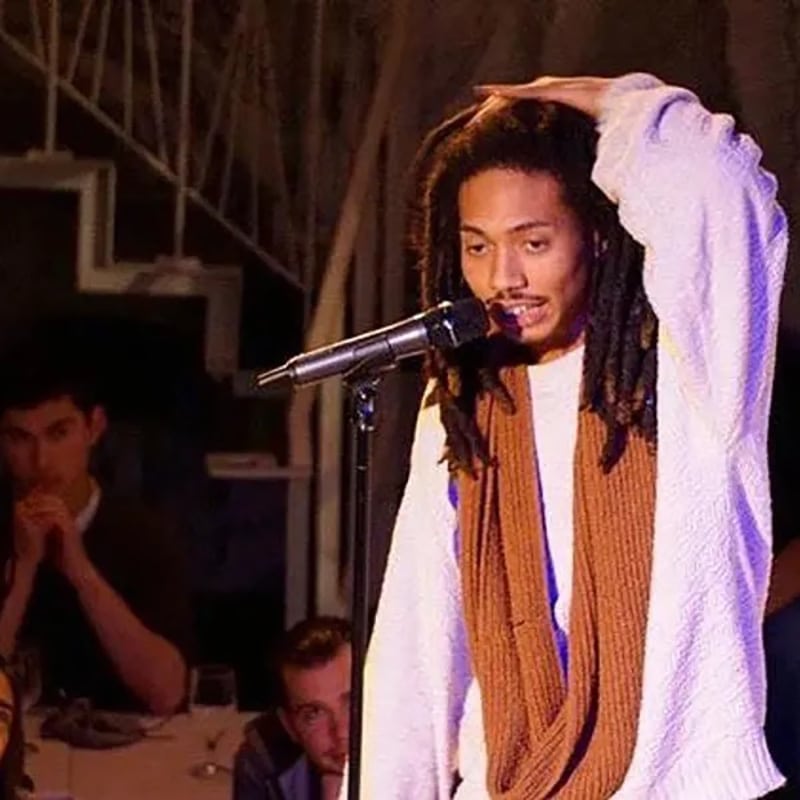
Although rich and varied, the jazz music scene is only one of several art forms that have developed under the care and nurturance of Five Points. Hakeem Furious, a wordsmith who travels the country performing, curating, and writing, identifies a mystical quality that draws the arts to the area. “It’s almost like Stonehenge in England,” he states. “The middle of Five Points…is a portal to some of the greatest artistic talent from everywhere. It’s this magical place where so much has happened…people don’t have a sense of how big and vibrant Five Points is.”
Although Furious hails from Jacksonville, FL, he has developed his roots in the Rocky Mountains and appreciates the breadth of artistry found in Five Points. “I think about…a visual artist, a painter, who paints the jazz musicians that populate Five Points. I think about all the murals that are going on around Five Points by local artists, black artists at that, that are truly revitalizing how we contextualize Five Points; there is a DJ scene that is really, really, really buzzing; there are photographers everywhere. The photographers and DJs drive a cultural scene…And with that comes the dancing…And then with that there’s people like me who are the writers.”
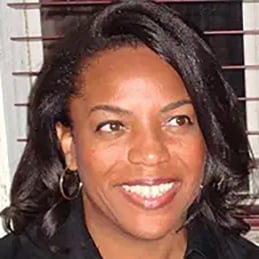
Fiction writer Francelia Belton drew from her knowledge of Five Points in penning the short story Dreaming of Ella. The story was featured in the anthology Denver Noir, which won the Colorado Book Award for Best Anthology in 2023. “There’s this rich history in Five Points,” she says. “Whether it was dancing or playing the piano, Five Points was alive with music. Music was coming out of every home – it wasn’t just the clubs and stuff. I was thinking, ‘Wow, what a time.’” Her story places the reader in the Five Points of 1956, in the soul of a jazz trumpet player nearing the end of his career who gets the opportunity to play his dream gig – but at what cost? Belton found herself drawn to the cultural expanse of Five Points throughout its history and intends to delve even more deeply into its rhythms in her written work.
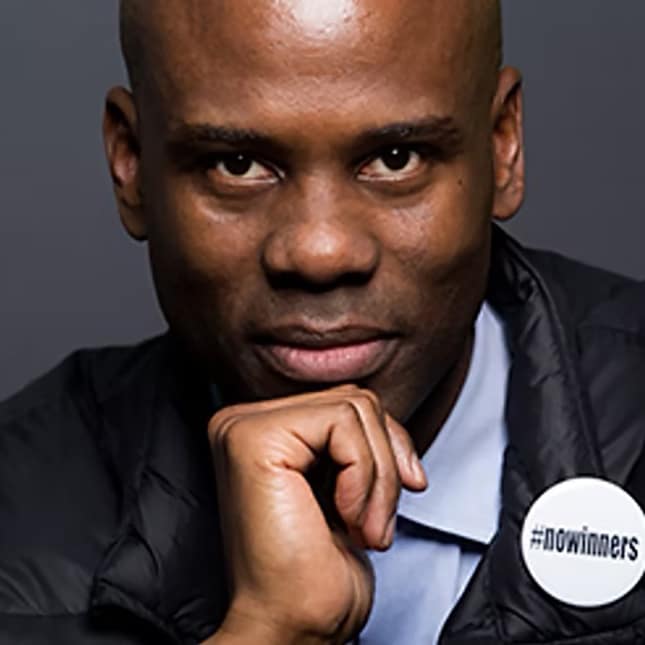
The fact that the community has inspired Belton is no surprise to brother jeff, an artist, journalist, historian community organizer, and cultural icon. He has observed that the spirit of the neighborhood is fueled by the members of the black community that have made it their home. “Our energy is in the bricks of Five Points. It has been a watering spot for individuals who are traveling, looking to be nourished in a desert.” Brother jeff is not intimidated by the gentrification that marks the community. “Everything of greatness that has ever been in Five Points continues to be in Five Points.” He does, however, take exception to the commonly held belief that Five Points is the Harlem of the West in that it posits the neighborhood as a reflection of another community as opposed to an economic and cultural force in its own right. “Harlem is the Five Points of the East,” he observes. “They reflect us. We shine on them; they do not shine on us.”
He acknowledges that historically, the neighborhood’s residents have struggled but it is in that very struggle that the greatest artistry is achieved.
“When you see curated spaces from a European standpoint, it’s usually attached to a business plan. It’s usually attached to a performer or, you know, income statement; it’s usually attached to funding; it’s usually attached to a way to make more money off of the arts. We [black Americans] have been making songs based on longing. I’ve never seen us create anything that is lasting that is based on trying to make more money or something that is rooted in prosperity.” — brother jeff
He continues, “There’s a healing in our arts. Our art has never been really about, ‘I’m doing something so I can make a major profit off of something I created’. Everything we create has been as a means of survival, healing, exploration, and building worlds that don’t exist. We are the arts and everything we do is artistic. It’s not for us only.
“It’s a gift that we share with the world.”
And it is a gift created, nurtured, and shared from Five Points.
Twanna LaTrice Hill is a teaching artist, actor and director who has published works of fiction and nonfiction and penned two plays that have been produced and performed in the Denver metro area. Princeton/Harvard/Regis educated and a trained Sovietologist, she is currently seeking representation for her first memoir, What’s Done in the Dark. Most recently she can be seen onstage sharing stories about her life with the storytelling organization Exposed. Stay tuned for information about her upcoming one-woman show, working title They Hardly Ever Kiss You, show later this year.
The Denver Center for the Performing Arts (DCPA) NewsCenter is the organization’s editorial platform for stories, announcements, interviews, and coverage of theatre and cultural programming in Colorado. We are committed to producing accurate, trustworthy, clearly sourced journalism that reflects our mission and serves our community.