DCPA NEWS CENTER
Enjoy the best stories and perspectives from the theatre world today.

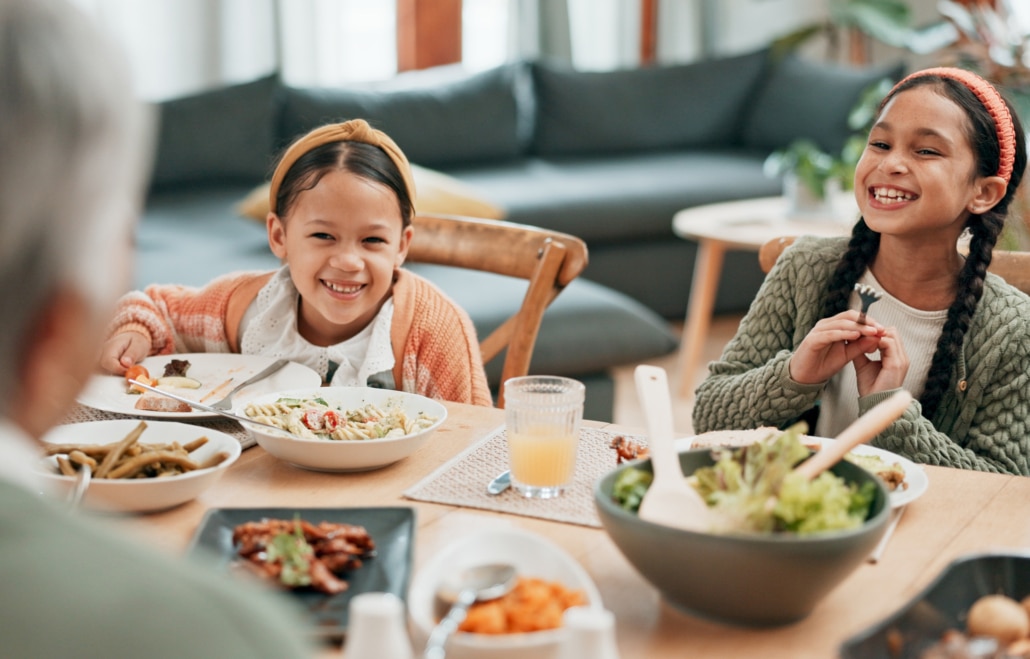
Everyone has faced a stark silence at the dinner table, and the one-word answers from your kids when you ask what they did that day. “Nothing,” appears to be a favorite one, and possibly the most infuriating.
But don’t blame the young ones. After a busy day, their immature brains are overwhelmed and exhausted. Children also think more in stories or experiences, so trying to summarize what happened in the past 10 hours doesn’t come naturally. Yet, despite these barriers, there are ways to get your family to open up and keep the conversation going.
The first step in asking your kid about their day and getting an answer doesn’t involve the child at all. If you are sitting with other adults, start the conversation with them, and listen to what happened during their away-from-home time. You can prompt the other adult by asking what was the best thing they ate today, or how long did it take to finish a certain task.
If you’re a solo adult, start by telling the table about your own day, making sure to highlight specific emotions such as, “this funny thing happened to me…” “I almost peed my pants when I saw…,” and “when so-and-so talked to me I felt…”
To be honest, the question, “What did you do today,” is kind of boring. Your family is probably tired, and having to root around in the brain to come up with something interesting may feel daunting. So, instead ask more pointed questions.
For example, when speaking with a preschooler, you might ask about what art project they enjoyed doing, the best snack of the day, and who they played with at recess. An elementary school child may respond to questions such as: who had the best outfit on, what stuffed animals were in the class that day, and what subject was the hardest for them.
Once you get into tweens and teens, get silly. After all, it’s not always easy to draw them out of their shells. Try talking about your favorite books and what they are reading in class. Ask what made them laugh today. A personal favorite, try “What was the weirdest thing that happened in school today?”
One of the best ways to engage in conversation comes from knowing your audience. Instead of blindly asking how a day went, instead quiz your sports-loving child on what games were played in gym. Ask the artsy kid what project they’re doing in art class, or find out what chemicals your teen experimented with in chemistry.
If someone at the table enjoys theater, questions about the next performance or what they hope will be on the schedule brings up more information than a basic, “What did you do in theater class today?”
Is it wrong to seek information about a loved one’s day by turning it into a game? Definitely not, and in this case it’s not about being sneaky, it’s about engaging the people around you. A favorite dinnertime activity revolves around three answers to a handful of questions, which stay the same each day. That way, everyone knows what to expect, and might even get in the habit of thinking about answers beforehand.
For example: name three odd things you witnessed today. What three people did you talk to the most? What three items did you try at lunch and would you eat them again? It’s also good to encourage the whole group to ask these questions, that way you’re all sharing.
Learn to respect the privacy and mental needs of your family. Maybe they need a break from the day and don’t want to think about it. Perhaps they are too tired to engage in a lively conversation. Let it go and try again later. By not pushing to learn about the day your family can relax and recognize boundaries. This can help set them up for when they’re ready to talk, which often, this parent has found, right at bed time.
The Denver Center for the Performing Arts (DCPA) NewsCenter is the organization’s editorial platform for stories, announcements, interviews, and coverage of theatre and cultural programming in Colorado. We are committed to producing accurate, trustworthy, clearly sourced journalism that reflects our mission and serves our community.