DCPA NEWS CENTER
Enjoy the best stories and perspectives from the theatre world today.



Rudy Foster and the Hadestown North American Touring Company, 2026. Photo by Evan Zimmerman for MurphyMade
If you’ve forgotten your Greek mythology (and who can blame you…it only dates back 2,500+ years), rest assured our primer will have you ready for the Denver engagement of Hadestown.
Orpheus was a legendary musician who could charm all living things — even stones and the gods. He fell deeply in love with Eurydice, a beautiful nymph. But on their wedding day, she was bitten by a snake and died.
Devastated, Orpheus took her to the Underworld to plea for her life. His music softened the hearts of Hades (God of the Underworld) and Persephone (Queen of the Underworld), who agreed to let Eurydice return to the land of the living — on one condition: Orpheus must not look back at her until they reached the surface.
So as not to spoil the ending, we won’t say more but suffice it to say that the Greeks weren’t especially known for their comedies. (The tale of Thesmophoriazusae doesn’t exactly spring to mind, does it?)
This myth explores themes of love, trust, loss, and the power of art, and has inspired countless retellings including the Tony- and Grammy-winning Hadestown. Here are the key players in order of appearance:
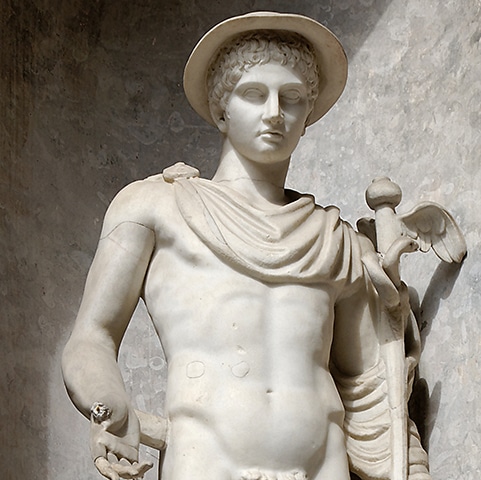 HERMES [HUR’-MEEZ]
In Greek mythology, fleet-footed guide, messenger of the gods, and conductor of souls to the Underworld. In this account, he is a worldly-wise narrator and mentor to Orpheus.
 FATES [FEYTS]
Three goddesses who together determined the destinies of mortals, measuring their lifespans and apportioning their suffering. Here they sow the seeds of doubt in the minds of some.
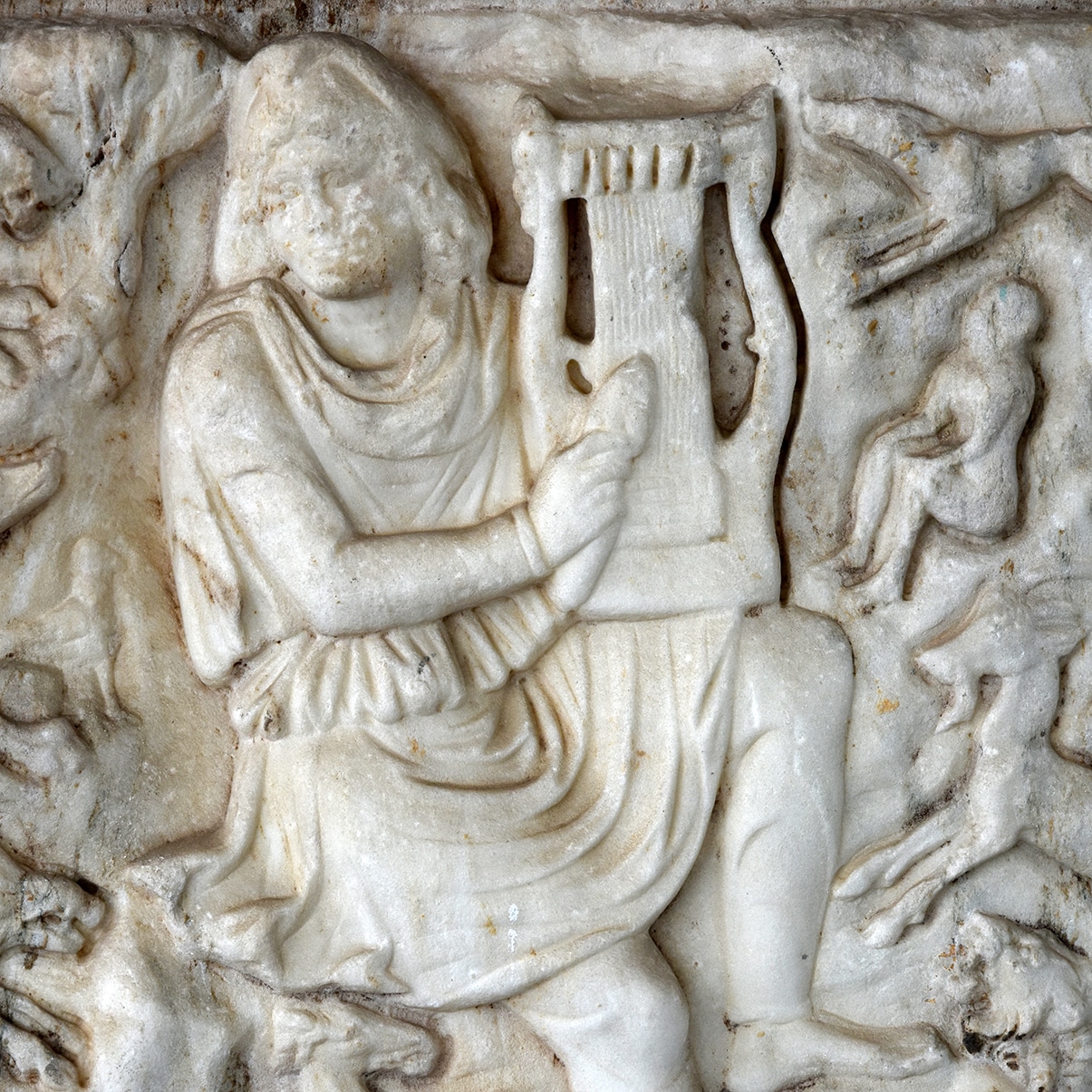
Son of the muse of epic poetry, engaged to marry Eurydice. With his golden voice and lyre, Orpheus charmed all living things, even rocks and stones.
 EURYDICE [YOO-RID’-UH-SEE]
A tree nymph engaged to marry Orpheus who is bitten by a snake and dies on their wedding day. In this story, she is a runaway whose hardships cause her to be distrustful of others.
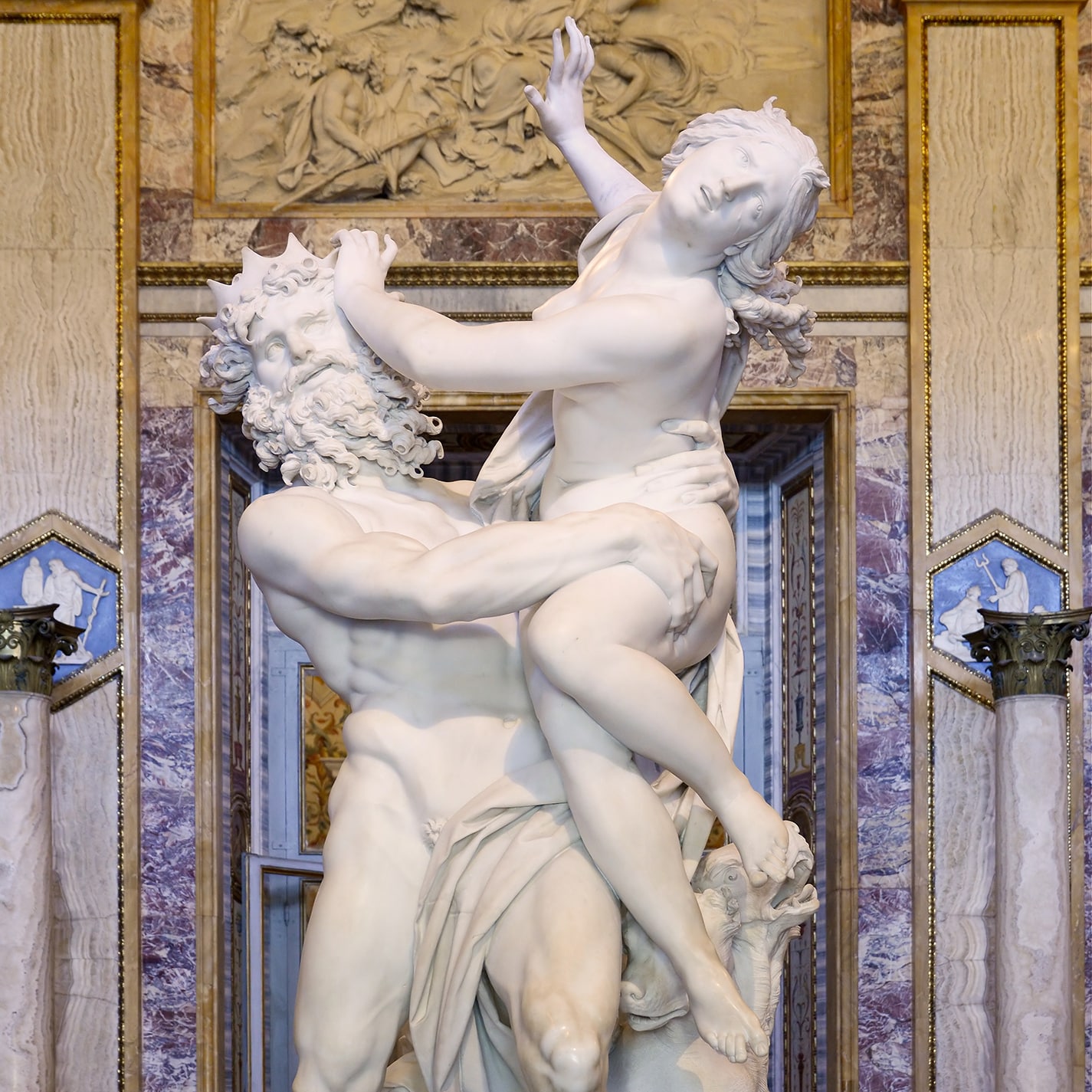 PERSEPHONE [PER-SEF’-UH-NEE]
Goddess of the seasons, flowers, fruit, and grain. She spent half the year in the Underworld, causing fall and winter above before returning to her mother to bring spring and summer. Here, she plays a party girl to dull her disenchantment with said arrangement.
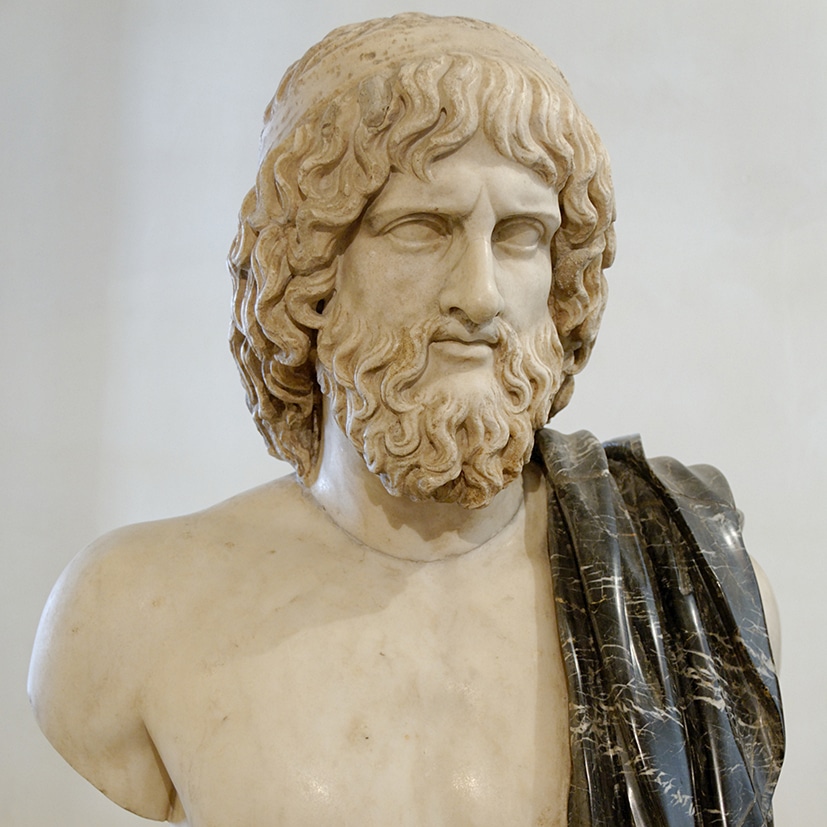 HADES [HEY’-DEEZ]
God of the dead, sometimes called “the Wealthy One.” He fell in love with and married Persephone. In this version of the story, he is a greedy and zealous industrialist.
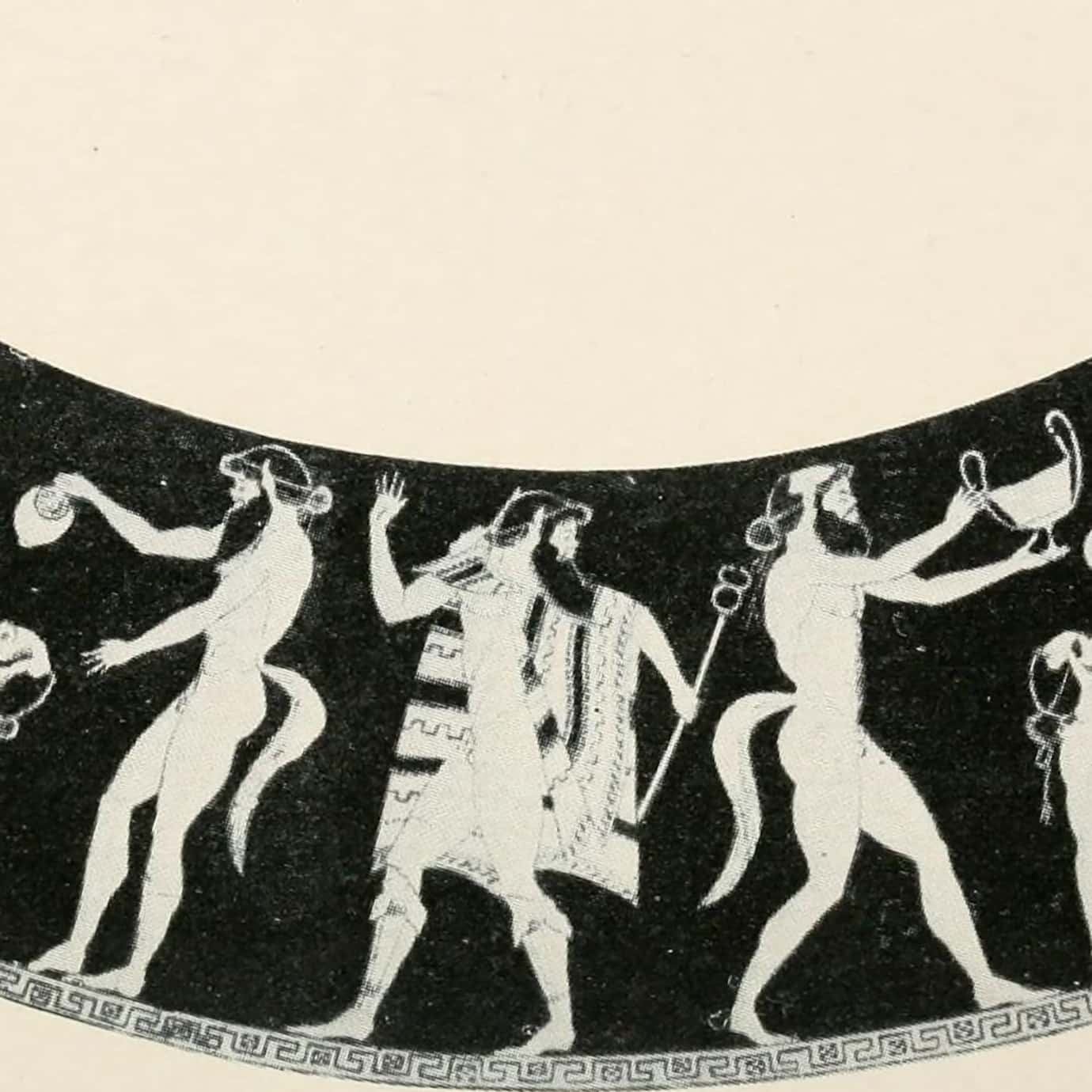 WORKERS CHORUS
In ancient Greek theater, the Chorus sang, spoke, and danced in unison. Often representing the voice of citizens, the Chorus served as an emotional conduit for the audience.
The Denver Center for the Performing Arts (DCPA) NewsCenter is the organization’s editorial platform for stories, announcements, interviews, and coverage of theatre and cultural programming in Colorado. We are committed to producing accurate, trustworthy, clearly sourced journalism that reflects our mission and serves our community.