DCPA NEWS CENTER
Enjoy the best stories and perspectives from the theatre world today.

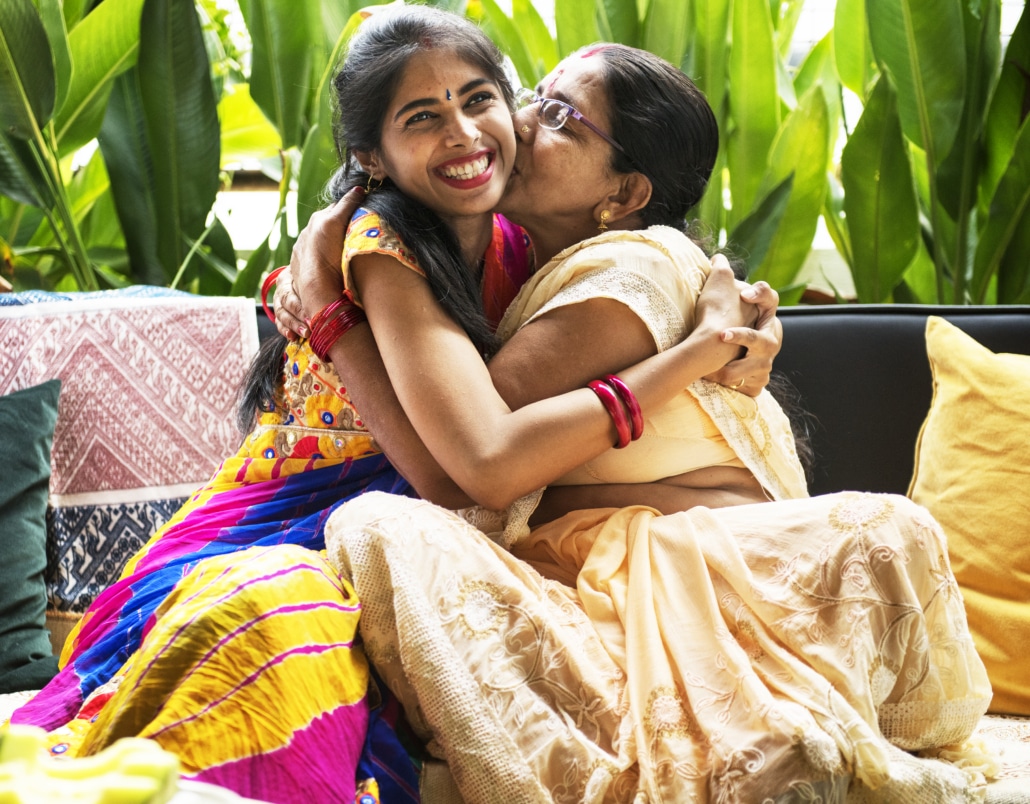
 “Sari” (or saree) is Sanskrit for “strip of cloth.” First worn as far back as 2800-1800 BCE during the Indus Valley Civilization, saris are typical garments worn in Bangladesh, Nepal, Pakistan, Sri Lanka, and India, among other countries. They range from the mundane to the sublime, serving as a practical garment in extremely hot climates to emblematic in coming-of-age ceremonies.
According to National Geographic, saris are “symbols of national pride, ambassadors for traditional (and cutting-edge) design and craftsmanship, and a prime example of the rich differences” in India’s 28 states.
Once simply made of cotton and transformed into vivid color using natural dyes, contemporary designers now use 4 to 9 yards of linen, silk, chiffon, or synthetic fabrics that are dyed, embroidered, and decorated — sometimes with gold thread, precious stones, and elaborate patterns. Historically, the more extravagant the design, the more it reflected a higher social standing of its owner.
Though the basic design may seem identical at first glance, saris may be worn in more than 100 ways. The versatility of this swath of fabric is seemingly unending and influenced by factors ranging from region to fabric, length, and width of the garment.
Dyeing, printing, and weaving of textiles is a big industry throughout India where each region adds its own nuance to saris. From the weave of the fabric to the way in which the dye is applied, a sari is as versatile as the person wearing it. In fact, many designers weave stories into the fabric reflecting the history, customs, and unique qualities of their communities.
Their one-size-fits-all quality allows them to be passed down from generation to generation making them timeless and rich with cultural significance.
Resources:
Medium — The Origins of the Sari
National Geographic — The surprising history of India’s vibrant sari tradition
The Sari Series — How-to Drape Films
South Asia Times — The Sari: A Timeless Tradition Woven Through South Asian Culture


 ©Denver Center for the Performing Arts