DCPA NEWS CENTER
Enjoy the best stories and perspectives from the theatre world today.

Few place names have as much impact as “Hell’s Kitchen.” It catches the attention and immediately demands an origin story. A quintessential melting pot, its rich and vivid history has — at times — simmered and boiled over, yet today blends into a rich stew of culture, identity, and resilience.
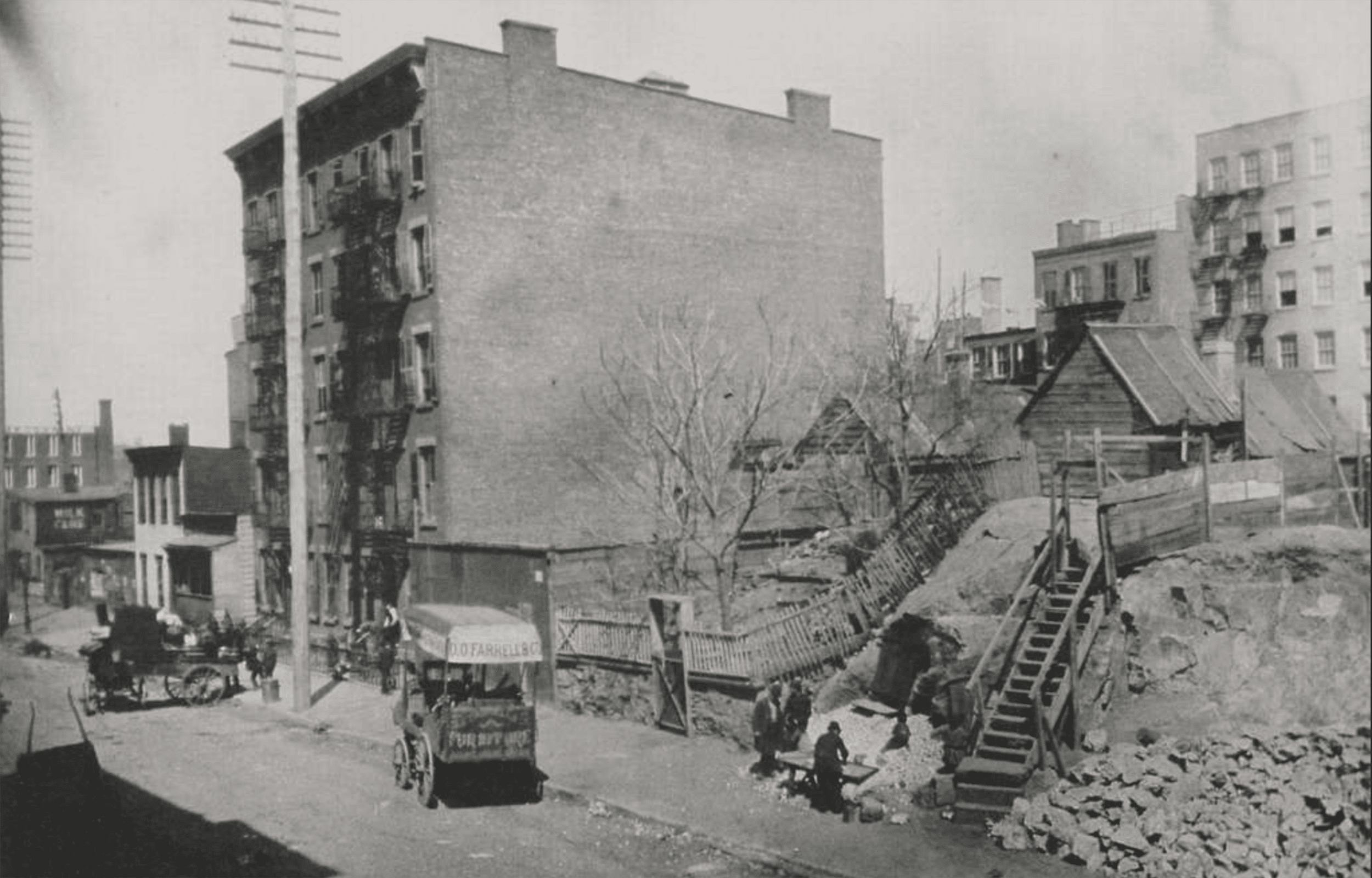 Multiple stories circulate regarding the iconic name of Hell’s Kitchen. Was it the oppressive heat caused by a crush of immigrants living in close quarters? Was it the dreary slaughterhouses where so many worked along nearby docks? Was it borrowed from the name of a tenement building or gang?
According to headcountcoffee.com, the name Hell’s Kitchen came into use in the late 19th century, first appearing in print in 1881. “There are several stories about its origin, all of them rooted in violence and none of them polite. One version points to a notorious tenement on West 39th Street so dangerous that police half joked the entire block felt as hot as its nickname.” A legend shared by New York Parks and Rec claims that a rookie police officer said: “This place is hell itself” to which a veteran police officer replied: “Hell’s a mild climate. This is Hell’s Kitchen.”
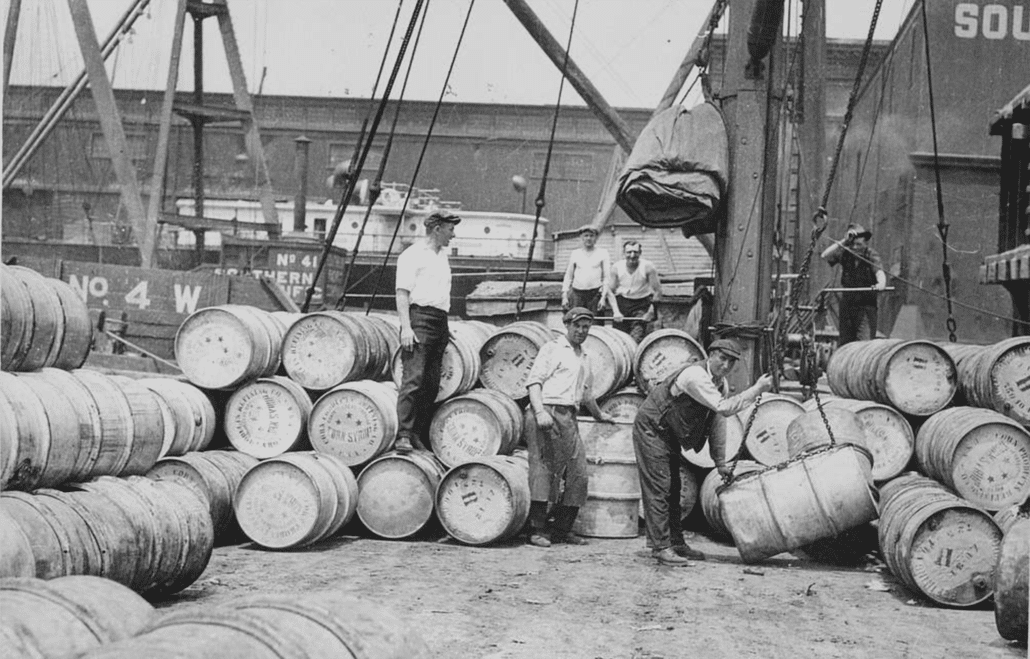
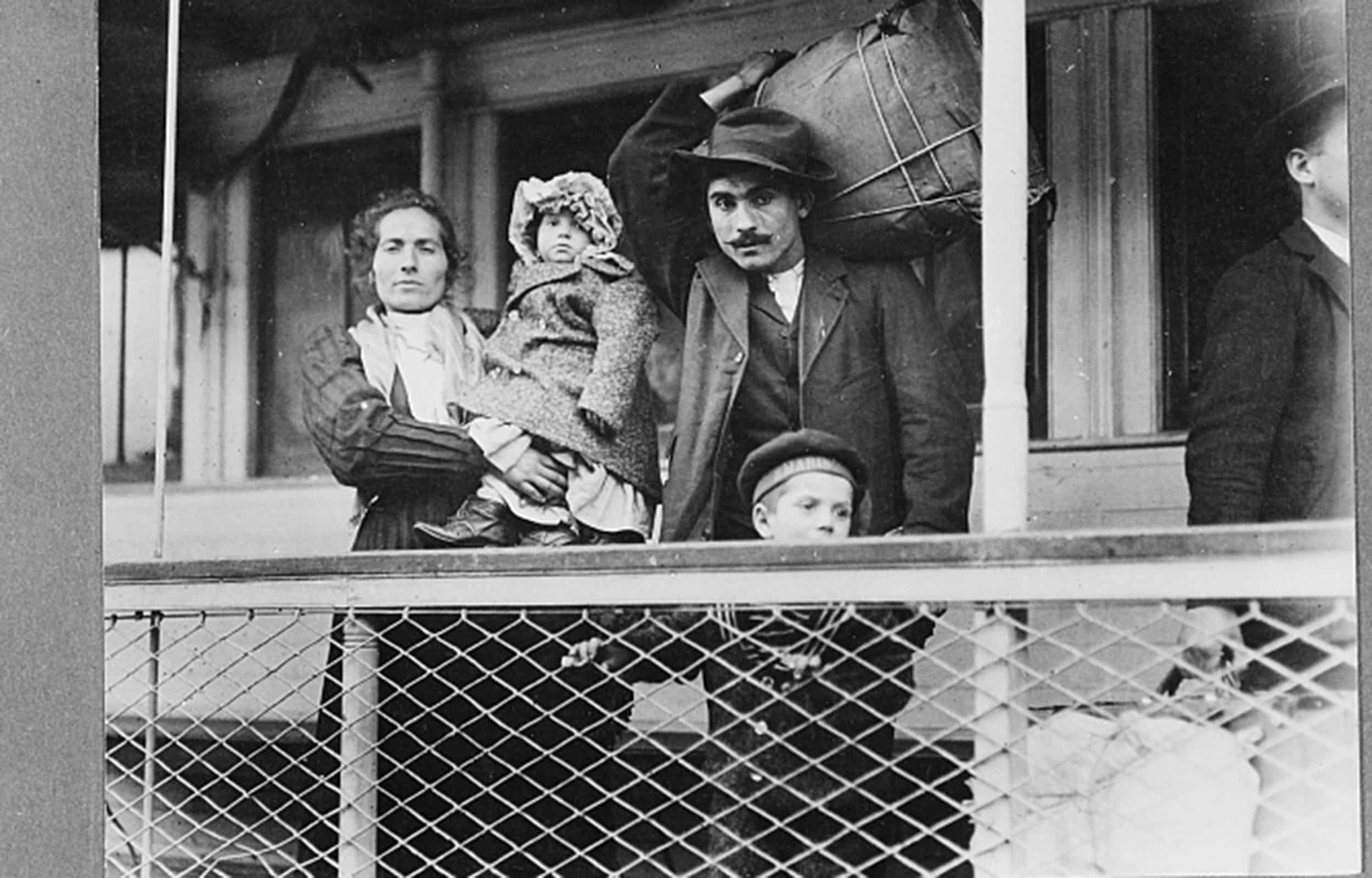
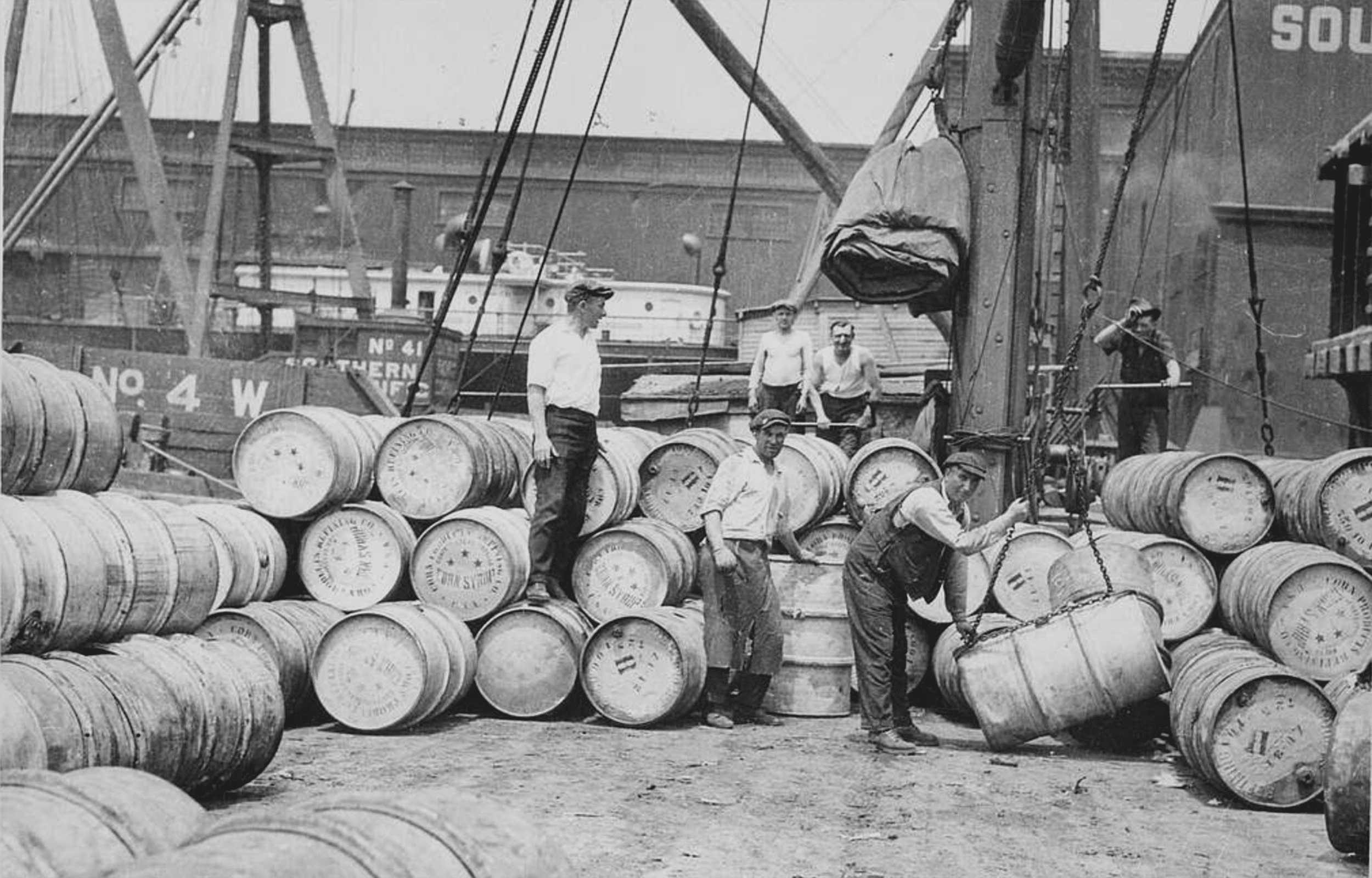 In the 19th Century, New York City became the new home to a steady stream of immigrants who settled its neighborhoods and defined its culture. Initially, immigrants from Ireland, Germany, and Scotland moved into tenement buildings in the West Side of Midtown Manhattan. Many of these individuals who were eager to start a new life and find prosperity were relegated to laborers, working on the docks, in slaughterhouses, lumber yards, warehouses, and factories.
Their living conditions were meager, crowded, and unsanitary. Airflow in large brick tenements was limited to air shafts and a single window…if you were lucky; heat and odors were oppressive. As headcountcoffee.com describes, “Each building was crammed beyond capacity, floors sagging under the weight of too many families, thin walls unable to keep out noise or heat. What these residents lacked in comfort they made up for in numbers, and the neighborhood quickly became known as a place where the city placed the people it did not know what to do with.”
At the same time, “Immigrant families built lives, supported each other, and contributed to the cultural fabric of New York City, even amidst hardship,” commented Ernest Potts.
Soon, public transportation exacerbated the problem when the elevated train brought new immigrant groups into the neighborhood, further diversifying the already overcrowded area with a steady stream of African Americans, Greeks, Eastern Europeans, and Puerto Ricans. The further diversification, overcrowding, and poverty created a powder keg of distrust, poor communication, rising tensions, and hostility.
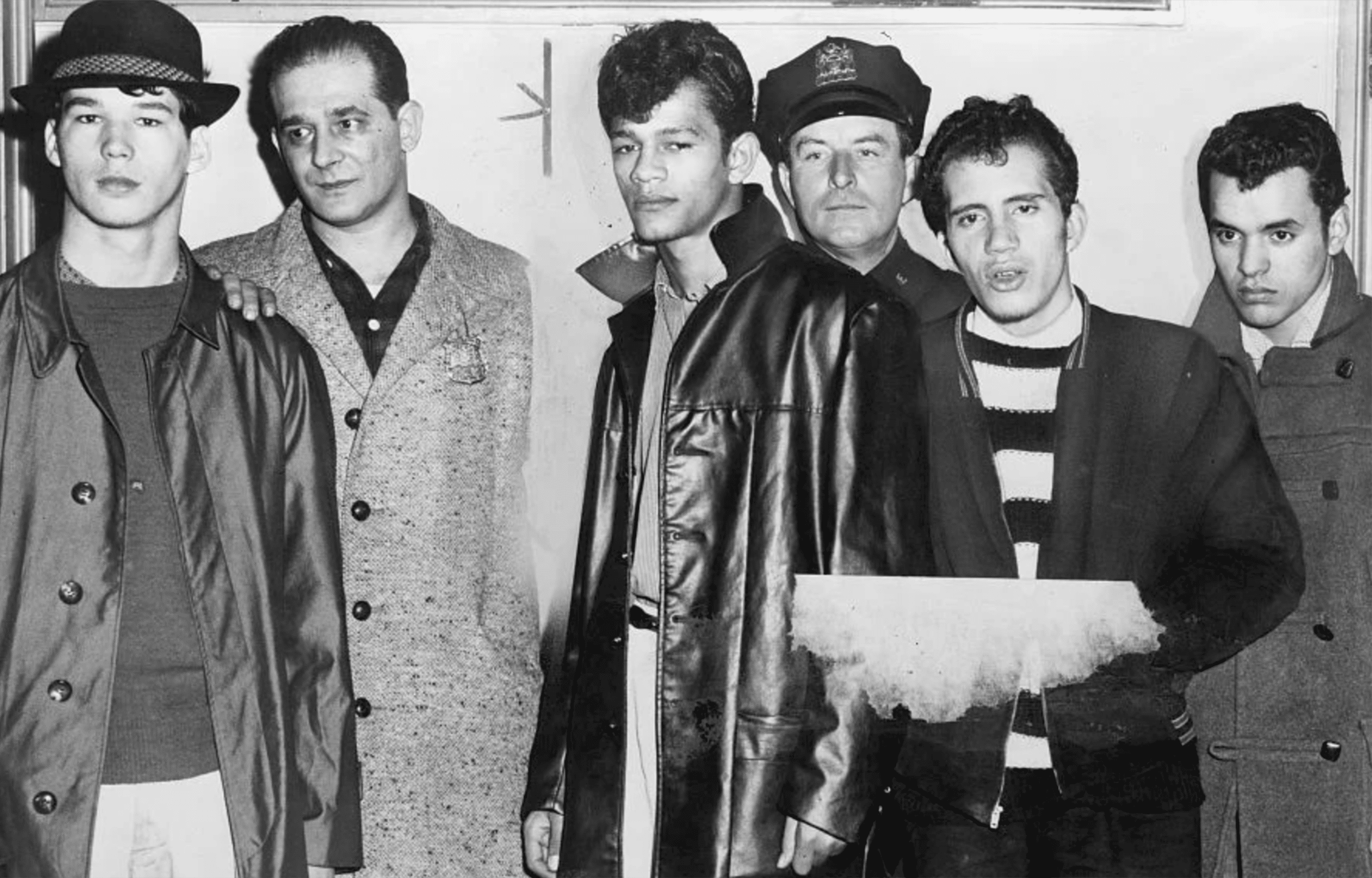 Desperation had an edge, which, fueled by gang rivalries, erupted into conflict, violence, and crime. The area — often considered to be a 4×23-block area from 34th to 59th streets and between Eighth Avenue to the Hudson River — was sliced and diced by half a dozen gangs. The Gophers, The Gorillas, The Hell’s Kitchen Gang, and many others made walking down the sidewalk nearly impossible as residents had to carefully navigate the thin borders invisibly drawn by the competing factions.
Tensions came to a head in 1959 when, according to The New York Times, two 16-year-old teen boys were fatally stabbed while three others were injured. “Nine teenagers — most of them said to be gang members — were later charged in connection with the crimes.”
The killings — which were mirrored in the 1957 film debut of West Side Story — sparked the need for change. Additionally, area business owners were worried about the rapidly dwindling economy when New Jersey became the hub of the waterfront economy, growth of the trucking industry reduced job options, and construction of the Lincoln Tunnel forced the neighborhood to change.

DeWitt Clinton
To improve the area’s image, officials attempted to rebrand the community as “Clinton” after former New York Mayor and Governor, DeWitt Clinton. However, for the next 20 years, it proved difficult to shake the old moniker as the area continued to languish in neglect, poverty, and crime.
However, revitalization efforts took hold beginning in the 1970s. “Developers targeted the area because it remained one of the last central neighborhoods not fully redeveloped,” said headcountcoffee.com. To preserve its history and culture, many tenement buildings were renovated instead of razed. New businesses, housing, and restaurants moved in. Cultural organizations were opened including Playwrights Horizons (1971), The Kitchen arts collective (1971), Theatre Row (1977-78), Signature Theatre (1991), and the Baryshnikov Arts Center (2005) among others. Crime was replaced with culture, and Hell’s Kitchen/Clinton was reborn.
Central to the revitalization efforts was the need to not only provide low-income housing, but also to support its cultural heritage…past, present, and future. Originally, Manhattan Plaza was designed to be affordable housing for middle-income families, but the economic downturn forced developers to reconsider. Instead, the 46-story high-rise opened in 1977 as low-income housing for families and individuals working in the performing arts.
Leveraging federal Section 8 funding, the building was able to offer deeply subsidized rent, of which 70% (1,689 units) are reserved for artists, plus allocations for neighborhood residents and seniors. Notable figures who have lived in “Broadway’s Bedroom” include musicians Alicia Keys and Dexter Gordon; actors Jane Alexander, Larry David, Patrick Dempsey, Giancarlo Esposito, Samuel L. Jackson, Angela Lansbury, Estelle Parsons, and Mickey Rourke, writers Kenny Kramer, Mary Jo Slater, Jim Vallely, and Tennessee Williams, and composer Alan Menken among many others.
Manhattan Plaza stands as a living monument to Hell’s Kitchen’s revival — both an affordable‑housing anchor and a catalyst for cultural stability. By providing secure housing and strengthening the local arts workforce, Manhattan Plaza demonstrated how federal subsidy and cultural infrastructure can drive inclusive, artist‑centered urban revitalization, helping transform West 42nd Street into a resilient, thriving community.
While the redevelopment brought new businesses, decreased crime, and increased prosperity, it also led to increased prices and gentrification, often pushing its established residents out of the community. For those who remained, “Clinton” still doesn’t resonate. Instead, Hell’s Kitchen is a name that locals say with pride. For after all, it’s a neighborhood that embodies resilience, rejuvenation, and American grit.
The Denver Center for the Performing Arts (DCPA) NewsCenter is the organization’s editorial platform for stories, announcements, interviews, and coverage of theatre and cultural programming in Colorado. We are committed to producing accurate, trustworthy, clearly sourced journalism that reflects our mission and serves our community.