DCPA NEWS CENTER
Enjoy the best stories and perspectives from the theatre world today.

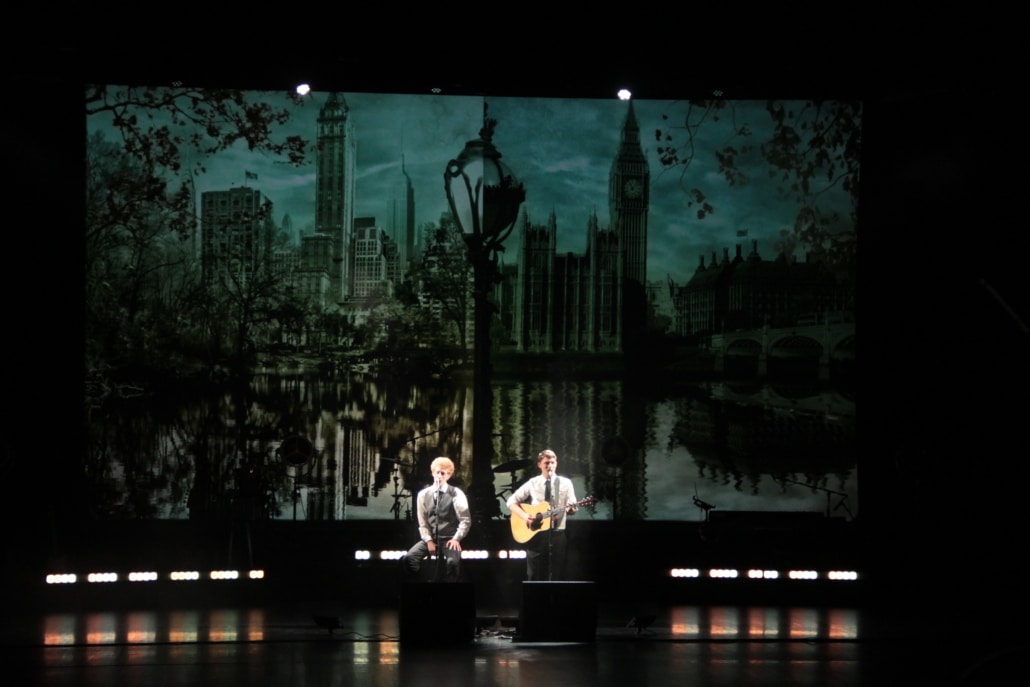
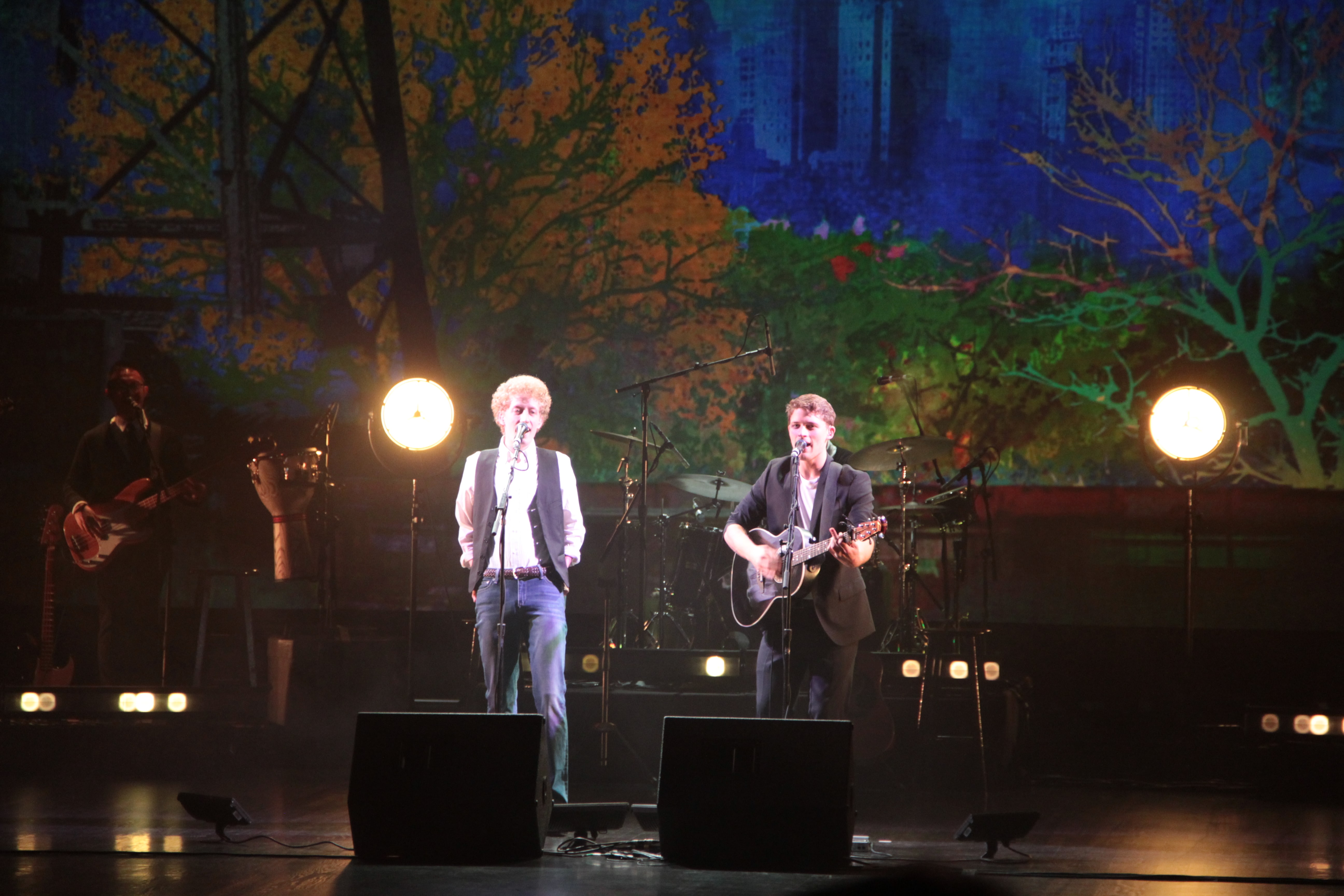
In 1957, two Long Island 15-year-olds broke into the Top 50, mimicking the harmonies of the Everly Brothers with their song, “Hey, Schoolgirl.” They were performing under the name Tom & Jerry, and with their almost-hit, they quickly went nowhere.
Seven years later, they came together again, now under their own names, and with the release of Wednesday Morning, 3 A.M., they went – well, not much farther, really. Even with the song “The Sound of Silence,” the album’s youthful earnestness, friendly harmonies, and striving poetry failed to break through the pop culture consciousness. It wasn’t until 1965, when producer Tom Wilson remixed the song with electric guitar and studio rhythm musicians, that “The Sound of Silence” soared, rising to No. 1 on the charts. Paul Simon and Art Garfunkel had grown up, and their music took on its own indelible tone, joining the soundtrack of the 1960s – so much so that five of their songs were included in the soundtrack of 1967’s The Graduate, linking the group and the film as a signpost of a disaffected, wandering youthquake.
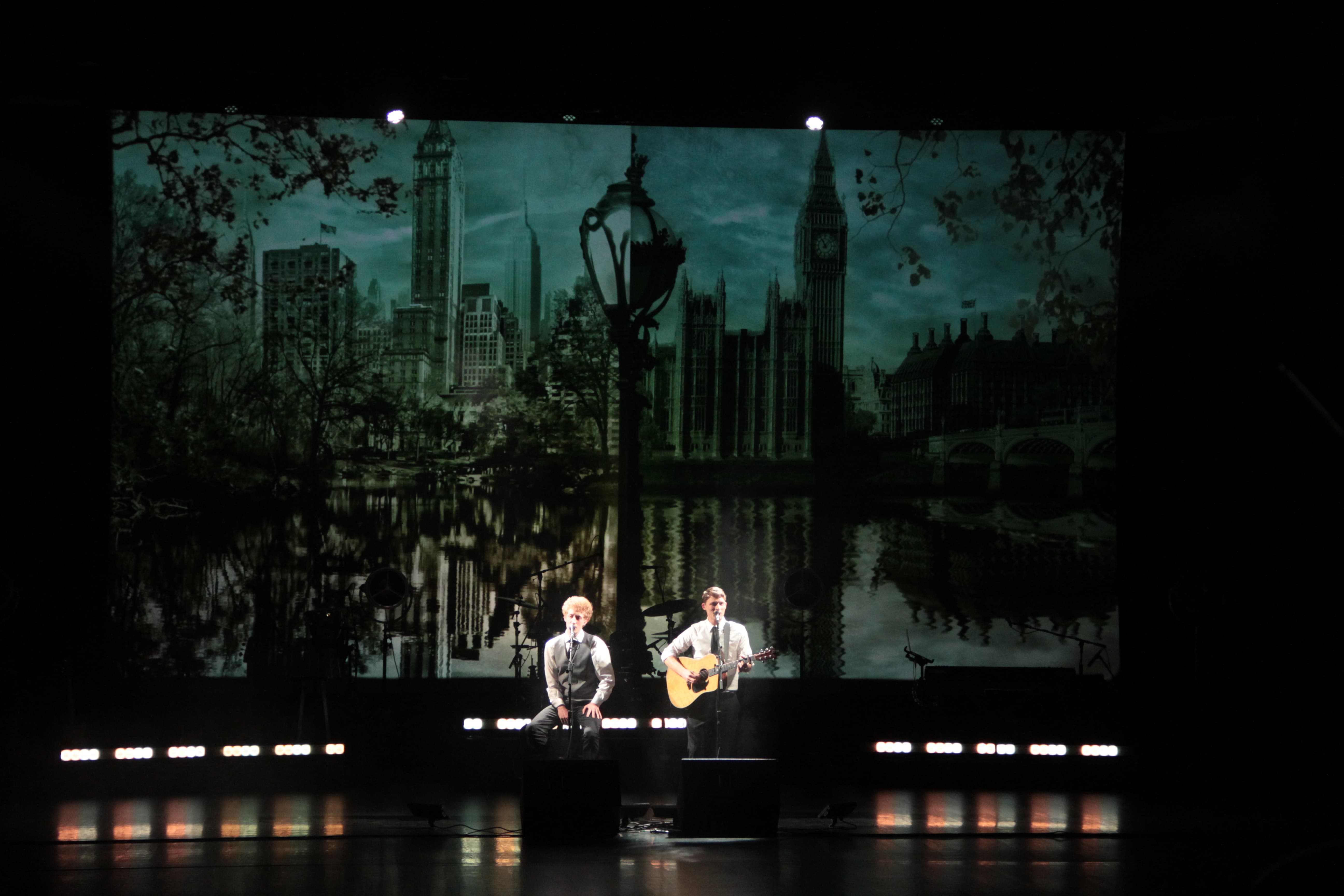 The sounds were gentle, soothing, intricately woven, and occasionally rollicking. The words, though? They channeled directly to the moment, a period of vast upheaval around the world. No album was more pulsing with the ’60s than 1966’s Parsely, Sage, Rosemary and Thyme. The album’s title comes from its opener, “Scarborough Fair/Canticle,” based on a traditional English ballad and suggesting the hair wreaths worn both by Victorians and hippie brides. The anti-commercialism of “The Big Bright Green Leather Machine” skewers modern marketing (Well there’s no need to complain/We’ll eliminate your pain/We can neutralize your brain). “A Simple Desultory Philippic (or How I Was Robert McNamara’d into Submission)” lays bare Simon’s push/pull relationship with Bob Dylan, deriving its style from Dylan’s “Subterranean Homesick Blues” and crammed with contemporary references, including comedian Lenny Bruce, writer Norman Mailer and Gen. Maxwell Taylor (intrinsic to the Vietnam War). The Lenny Bruce reference becomes more poignant on the album’s closer, “7 O’Clock News/Silent Night,” which overlays the Christmas carol with current events such as the serial killer Richard Speck, Nixon’s labeling of antiwar protesters as “the greatest single weapon working against the U.S.” and Bruce’s death from overdose.
The album Bookends, released in 1968, followed life’s journey from youth to old age. The album provided a home for “Mrs. Robinson,” which – it seems shocking today – was the first rock song to win the Grammy for Record of the Year. The wistfully romantic quest of “America” became the refrain for generations of wandering young people.
A year later, The Graduate director Mike Nichols cast Garfunkel in his film, Catch-22. The extended shoot interrupted the duo’s recording schedule and built tension between the two.
Their final studio album, the wildly acclaimed Bridge Over Troubled Water, was released in 1970. A year later, it won six Grammys including Album of the Year for now-classic songs including the title song, “Cecilia,” “The Boxer,” and the wistful “The Only Living Boy in New York.” Despite the album’s success, the relationship was not repaired. The two recorded independently, with Garfunkel going on to make the film Carnal Knowledge with Nichols and Simon’s first solo album coming out in 1971. A year later, Simon told Rolling Stone, “We didn’t say that’s the end. We didn’t know if it was the end or not. But it became apparent by the time the movie was out and by the time my album was out that it was over.”
DETAILS
The Simon & Garfunkel Story
Jan 24 & 25, 2026 Buell Theatre
Tickets