DCPA NEWS CENTER
Enjoy the best stories and perspectives from the theatre world today.

When you look up Victorian traditions, you come across some pretty bizarre practices. Making hair accessories, jewelry, and home décor from human hair. The display of death masks made from plaster casts. In-home, multi-day corpse viewings by friends and family. Public executions as spectator sport. Seances as social events. Dentures made from the teeth of the poor or deceased. And, perhaps strangest of all, tricked out “safety coffins” equipped with breathing tubes and a means to signal that, despite being buried six-feet under, one was still alive.
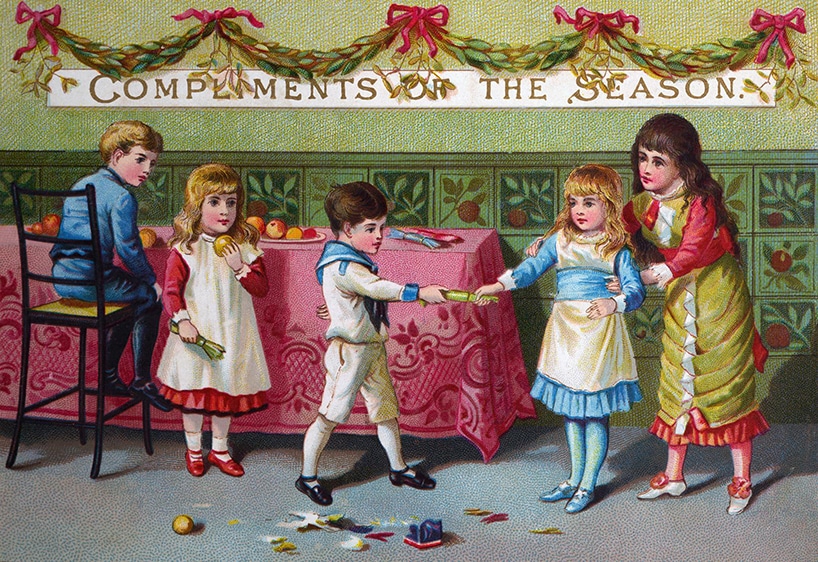
Instead, a less morbid analysis of the Victorian Period (1837 to 1901) is surfaced when you search for Victorian Christmas traditions. Here are some of the traditions that originated or grew in popularity during the reign of Queen Victoria of England that we continue to embrace to this day.

Cierra Banks and David Studwell. Photo by Jamie Kraus Photography.
Thanks in no small measure to Charles Dickens, helping those less fortunate became not only a holiday tradition, but also an important effort year round. Having grown up in poverty and put to work in a factory at 12 years old, Dickens was alarmed by the plight of the working class coupled with deplorable child labor practices. He wrote A Christmas Carol in 1843 as an appeal for society to improve working conditions, address labor laws, and offer charity to society’s most vulnerable. Dickens’ portrayal of a miserly, cold-hearted and insensitive Ebenezer Scrooge who is transformed after being visited by three spirits, stands as the example by which society should live. We should offer grace, compassion, and even “half-a-crown” to those less fortunate.
 Gift Giving
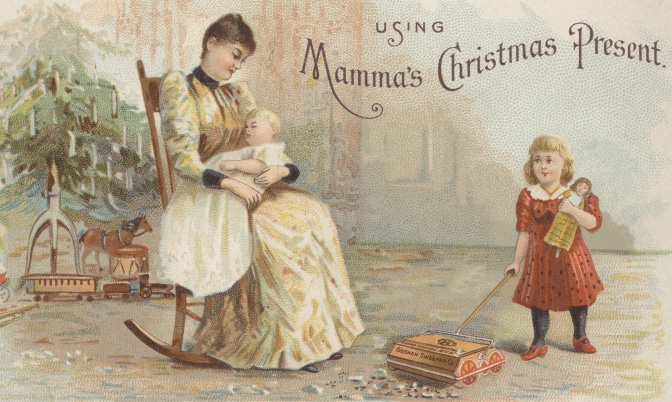
Christmas celebrations were on the wane at the beginning of the Victorian period, but several factors led to a revival of spirits. Whether intended or not, Dickens’ ghost story established two methods of giving — one to those in need through charitable donations and the other to friends and family with whom you shared the holiday. Additionally, Queen Victoria not only gave gifts to her staff, she also insisted upon a display of unwrapped gifts, which encouraged the idea of gift giving as part of the annual festivities.
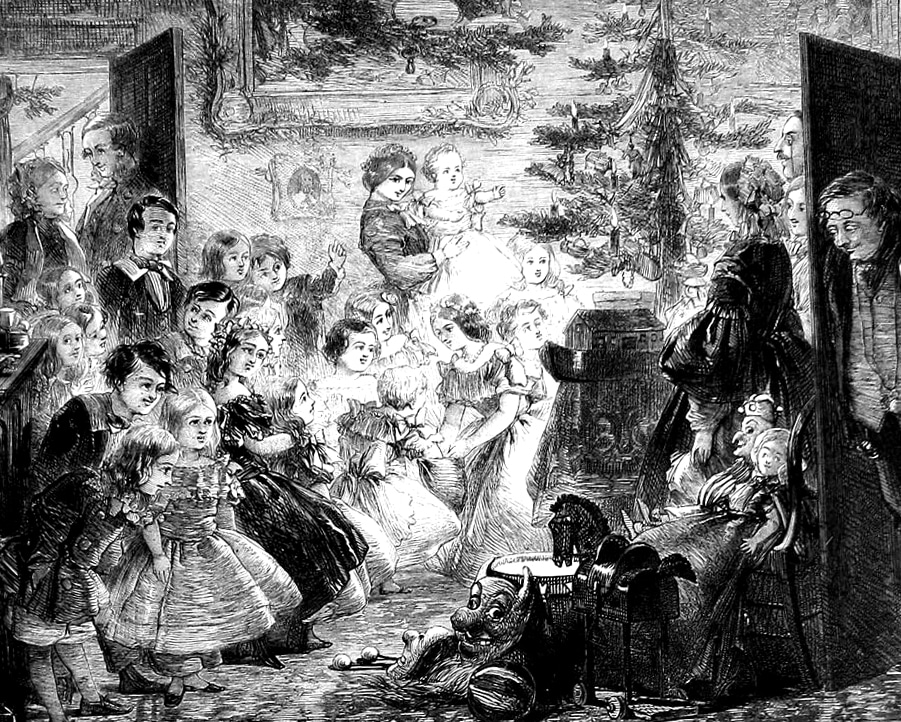
While a decorated tree is not an element of the season that originated in Victorian England, we can thank Queen Victoria and her German husband, Prince Albert, for popularizing it. The tradition can be traced back to Germany in the Middle Ages, but it was an image of the royal family in Illustrated London News in December 1848 (later reprinted in the U.S.) that brought the Christmas Tree into homes across several continents.
Christmas CardsSir Henry Cole, the first director of what is now known as the Victoria and Albert Museum, introduced the Christmas card. Previously, society dictated that individuals handwrite personal letters to commemorate the holiday. However, Sir Cole was short on time but rich on ingenuity when he hired artist John Callcott Horsley to design a holiday-themed card printed with “A Merry Christmas and a Happy New Year to You.” He ordered 1,000 cards and sold what he could not use himself. As TheVictorianChristmas.com shares: “The combination of the new Penny Post (introduced in 1840), mass printing, and a holiday that had just become the year’s central social occasion mean the idea caught on quickly.” In just 20 years, tens of millions of Christmas cards were sold each season.
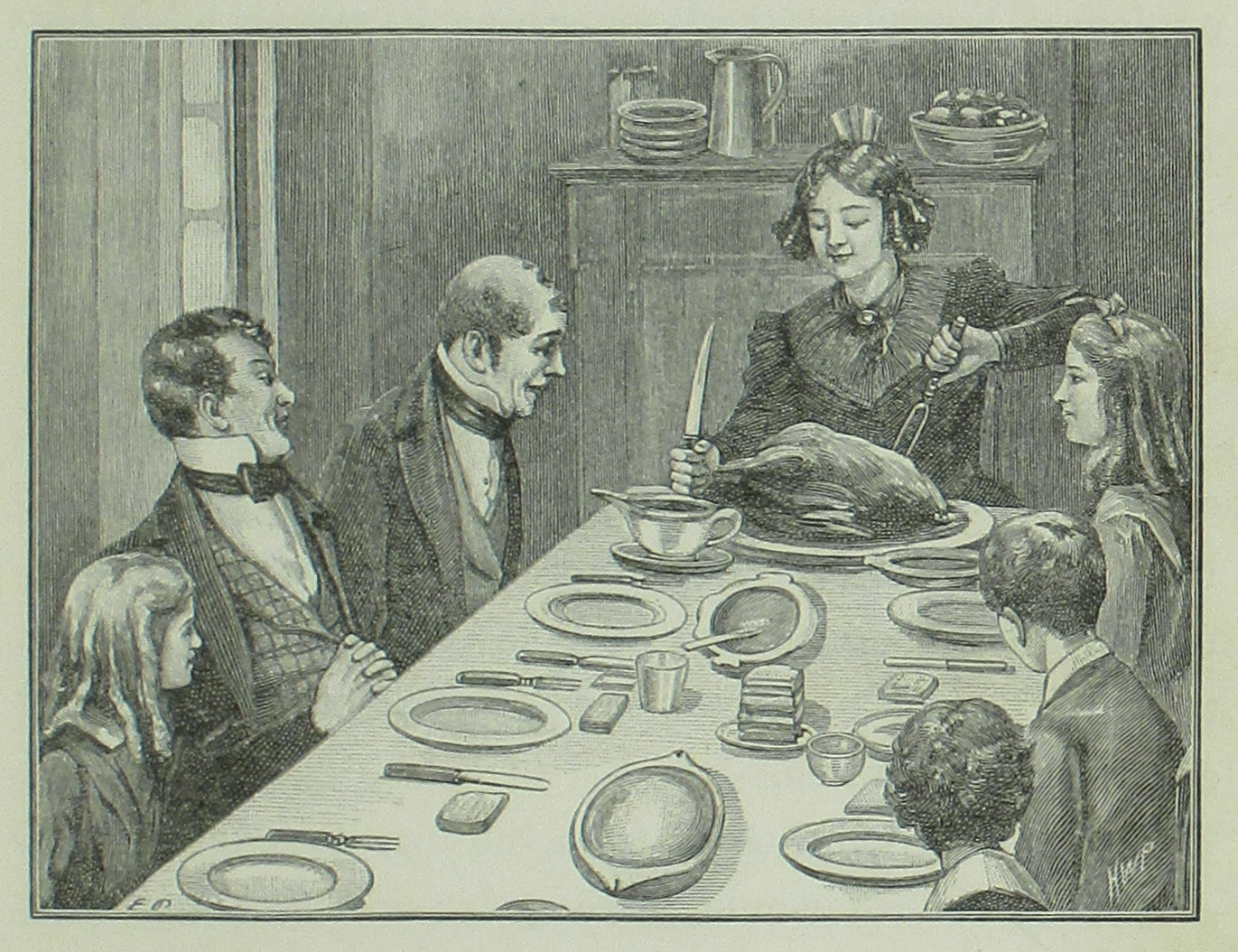 The Christmas Bird
Whether turkey or goose, those in Victorian England held a festive meal to celebrate Christmas. In the royal household, the feast featured a turkey supplemented by several courses including mince pies, plum pudding and other delectable items. For the majority of English households, the goose was a more modest choice and served as the centerpiece of the family dinner.
There were many other traditions that emerged during the Victorian period that remain popular in England including:
The Denver Center for the Performing Arts (DCPA) NewsCenter is the organization’s editorial platform for stories, announcements, interviews, and coverage of theatre and cultural programming in Colorado. We are committed to producing accurate, trustworthy, clearly sourced journalism that reflects our mission and serves our community.
 ©Denver Center for the Performing Arts