DCPA NEWS CENTER
Enjoy the best stories and perspectives from the theatre world today.

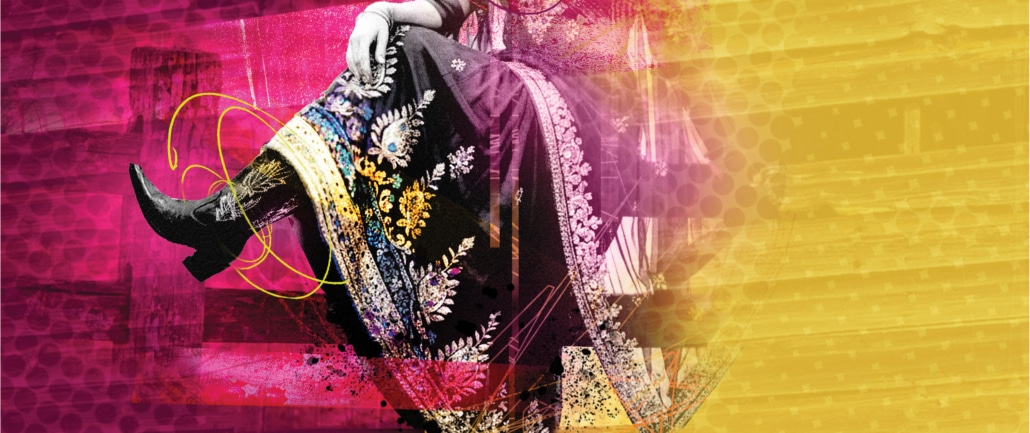
Now receiving its world premiere at the Denver Center Theatre Company, Cowboys and East Indians was developed in the DCPA’s Colorado New Play Summit. Co-adapters Nina McConigley and Matthew Spangler spoke about their play with the DCPA before their Summit reading in 2024. This interview has been edited for length and clarity. View the original interview on YouTube.
“If my whole writing career is retelling and reimagining the American West, then I’m happy to do that.” — Nina McConigley, Author & Playwright
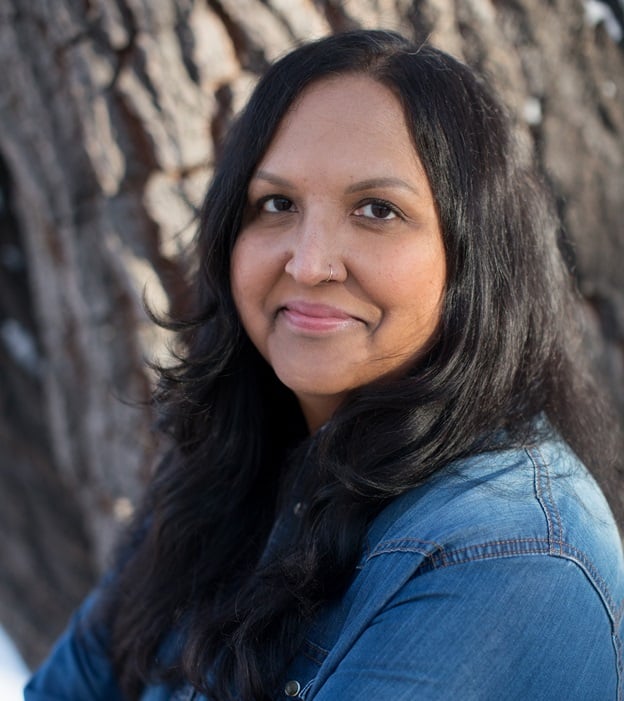 NINA MCCONIGLEY: Being an immigrant in Wyoming is its own special [experience]. There’s just not a community at all. I really wanted to read and write a book about what it’s like to be an immigrant in a place where nothing reflects you — there is no restaurant, there is no grocery store, there are no other Indians. Really…you are it.
People always have a narrative of what Wyoming, Colorado, the West is, and it’s usually a kind of cowboy masculine narrative. I think it’s been really fun to subvert that, and to sort of say, “No, there are stories, there are people that live here who are not what you think.”
I think Cowboys and East Indians is about the rural immigrant experience in America, which is not an experience that’s talked a lot about. I also think it’s a story about an East Indian or South Asian family in Wyoming, and how they’re trying to make a life there.
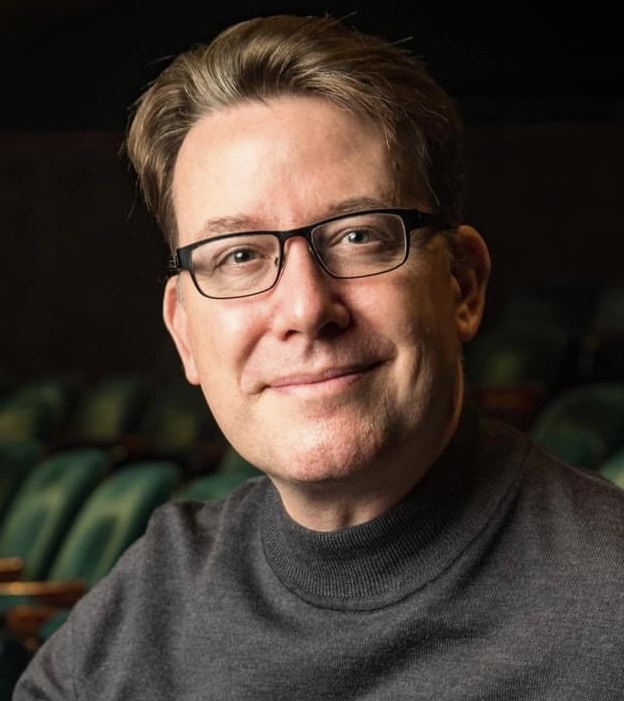 MATTHEW SPANGLER: We’ve known each other since high school. I could put a number of years on that, but then I’d be aging us. I read Cowboys and East Indians in 2014, 2015. I write plays based on books, and I thought at the time that there could be a play based on the short stories here. So, I reached out to Nina, and we started talking about it.
NINA: Yeah, it was really casual. We were sitting over dinner, and [Matthew said], “Have you ever thought of Cowboys as a play?” And I just thought, “No. No, I have not.”
MATTHEW: You had no idea that was a business meeting?
NINA: No. No idea. I was excited about the steak we were eating.
MATTHEW: There aren’t a lot of immigrants of any type in Wyoming, but there are some, so this is a play about that immigrant experience. What does it mean to move to the rural American West and Wyoming in particular, and see Wyoming through the eyes of these newcomers?
NINA: Seeing a reflection of yourself on stage is pretty powerful and seeing it in popular culture is really powerful. There haven’t been a lot of South Asian stories for the American West.
MATTHEW: The play, in some sense, is grappling with how we make sense of our lives in this space and mitigate the loneliness that inevitably is around us. The possibility that we don’t fit in even when we should…. And what do we do with that fact?
NINA: We both grew up in Wyoming, and in 1988, when Matthew Shepard was killed, that really put Laramie and Wyoming on the radar for a lot of people in the US. Matthew Shepard was a gay University of Wyoming college student. He was beaten to death. I knew Matt; we went to school together…the same junior high. I mostly knew him through church. He was a very real person to me.
We hear this expression of “cowboy up” all the time or, you know, “be tough.” There’s a sort of ethos of the Marlboro man or the masculinity of a cowboy that I think is really destructive and can be really dangerous.
When I wrote that story, Matthew Shepard was completely on my mind. I wanted to have part of a story, set in Laramie that really addressed this idea of what it means to be a man in Wyoming. I think being an immigrant is hard. I think being a certain performance of masculinity is hard.
NINA: I think [the adaptation of the book into a play] really started to become serious over the last 2-3 years, but it’s hard to prioritize an artistic project unless you have support behind it. When the DCPA came in and was willing to give us a commission, it really changed it for us.
MATTHEW: It is so incredibly rare to have the sort of support that you have [at the DCPA] for a new play that’s never seen the light of day of public audience. A play that’s totally just existed on somebody’s computer.
NINA: I’m a fiction writer in my normal life, so people read my stories alone in a room. I don’t see them react to my work, and I think it’s going to be really surprising to see an audience and to see how they laugh, to see how they breathe or how they are listening.
MATTHEW: We came [in 2023] to see the Colorado New Play Summit, and we were really impressed with the plays and the experience that that group of people was having. We didn’t know at the time that we’d be back at the Summit the next year.
NINA: No, but we were pretty inspired. We got to work soon after that Summit. We got the commission and really wrote. It was our priority, and we have spent a lot of hours in Wyoming and at the DCPA writing, writing, writing. It’s been kind of a magical experience.
NINA: Matthew and I were talking, and I think for both of us, the first big play we ever saw was at the Denver Center when we were in junior high. We took field trips from Wyoming to come here to see plays.
MATTHEW: I only remember going to the Denver Center show and having dinner at Casa Bonita. To be working here and to have this play on here now literally in the same theater that we were in when we came down to see the show all those years ago is incredible.
NINA: Yeah. Even walking into the rehearsal rooms, it feels almost a little sacred.
DETAILS
Cowboys and East Indians
Jan 16-Mar 1, 2026 • Singleton Theatre
Tickets