DCPA NEWS CENTER
Enjoy the best stories and perspectives from the theatre world today.

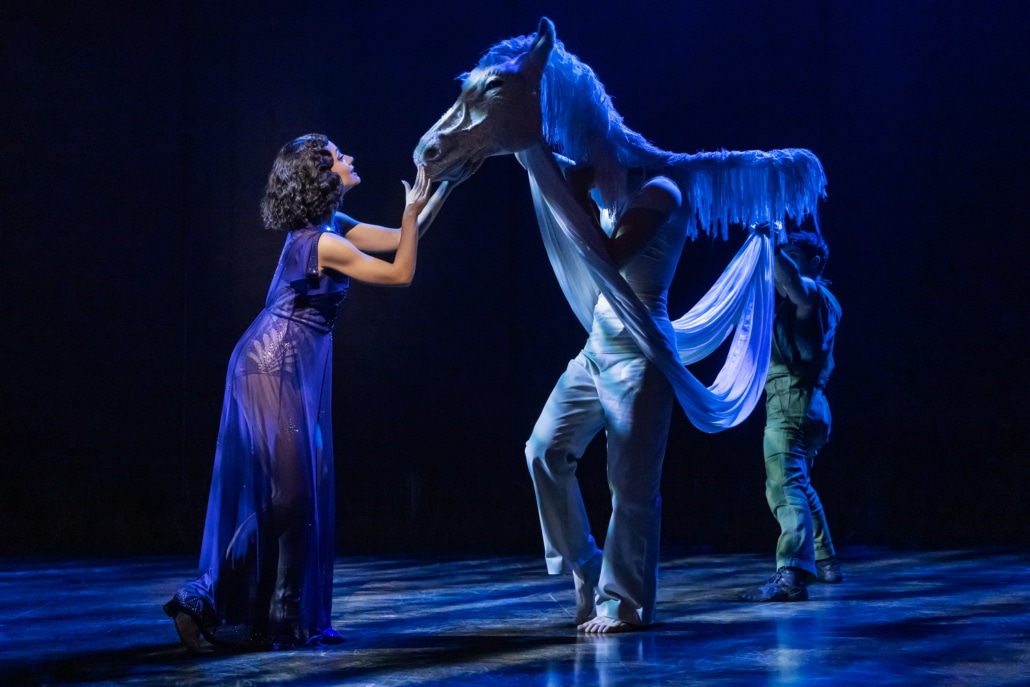
Puppetry is an ancient form of storytelling where a person, called a puppeteer, manipulates a figure resembling a human, animal, creature, or inanimate object. In Water for Elephants, playing Denver’s Buell Theatre Feb 11-22, 2026, puppets and puppeteers are used to enhance the storytelling. Take, for example, Silver Star, the prized horse and equestrian act in the Benzini Brothers Circus. The 2006 novel by Sara Gruen uses imagery to describe the horse, the 2011 motion picture uses a real horse, and in the Broadway musical, Silver Star is represented both by a puppet and puppeteer and also by an aerialist suspended on a silk ribbon.
Review the different types of puppets below.
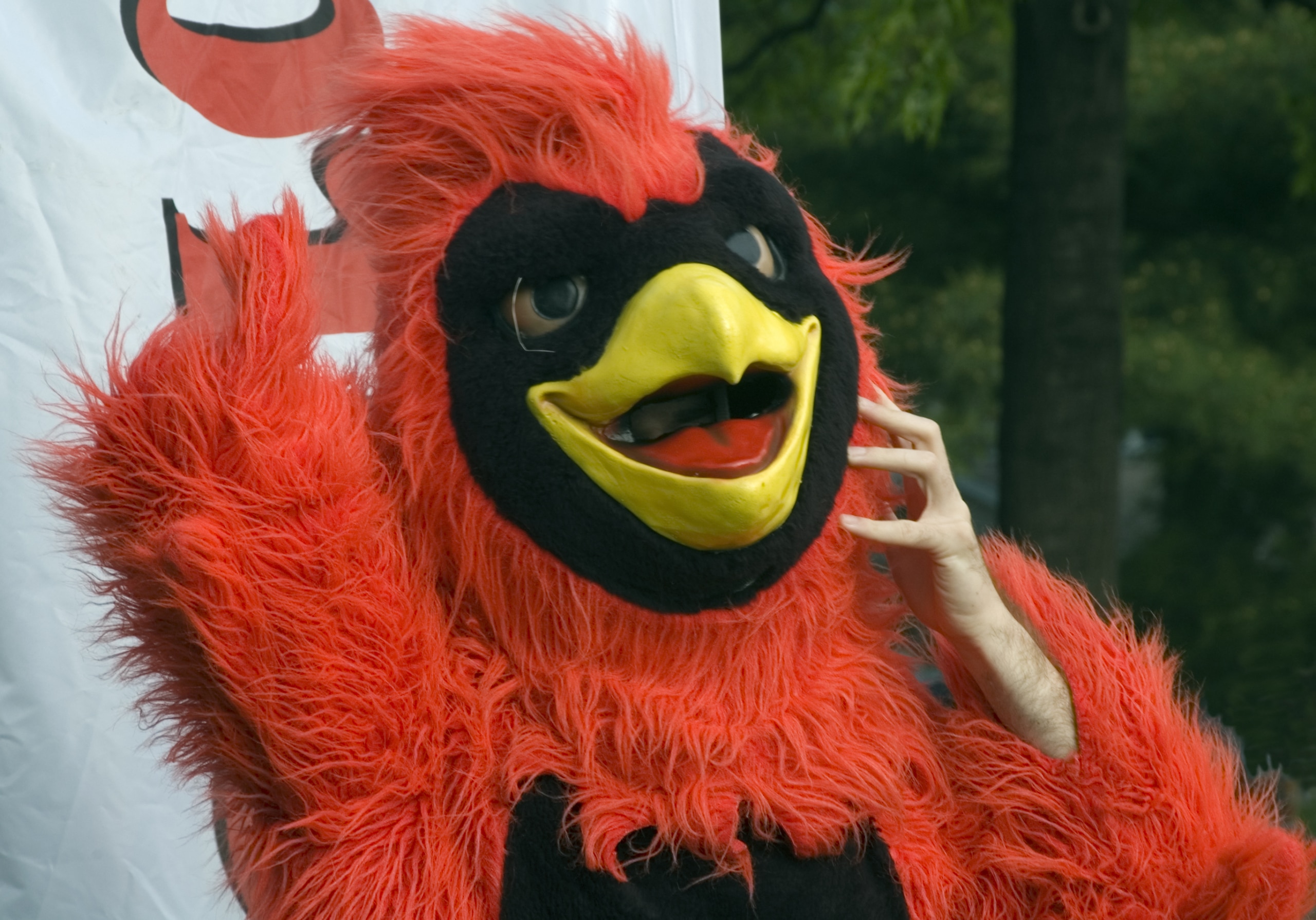 Body
BodyMost familiar as sports mascots. These puppets are usually worn like costumes and manipulated by the person wearing the puppet.
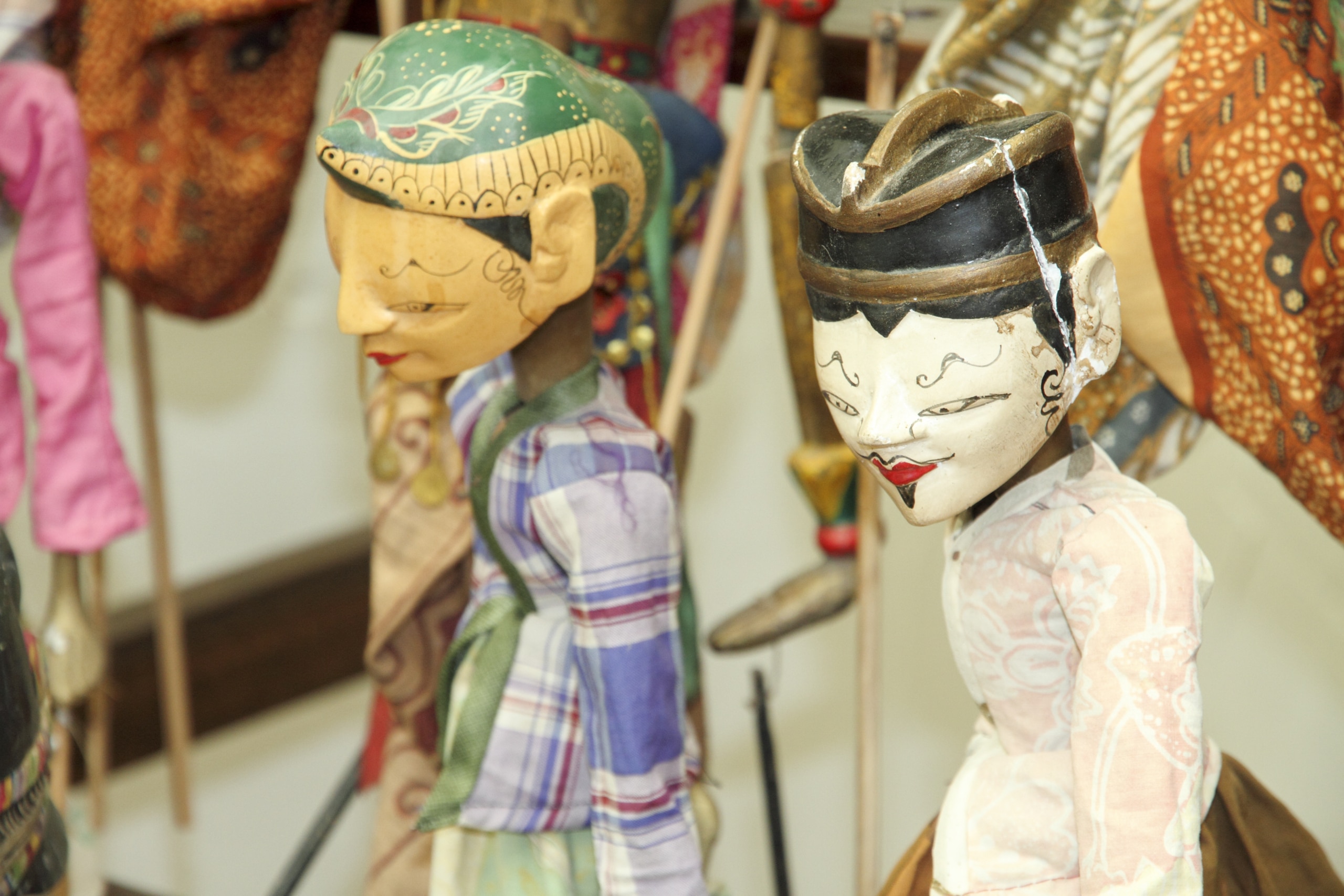 Bunraku
Traditional Japanese puppet using half-life-sized wooden dolls for storytelling. The dolls are manipulated by puppeteers who are dressed in black and sometimes masked.
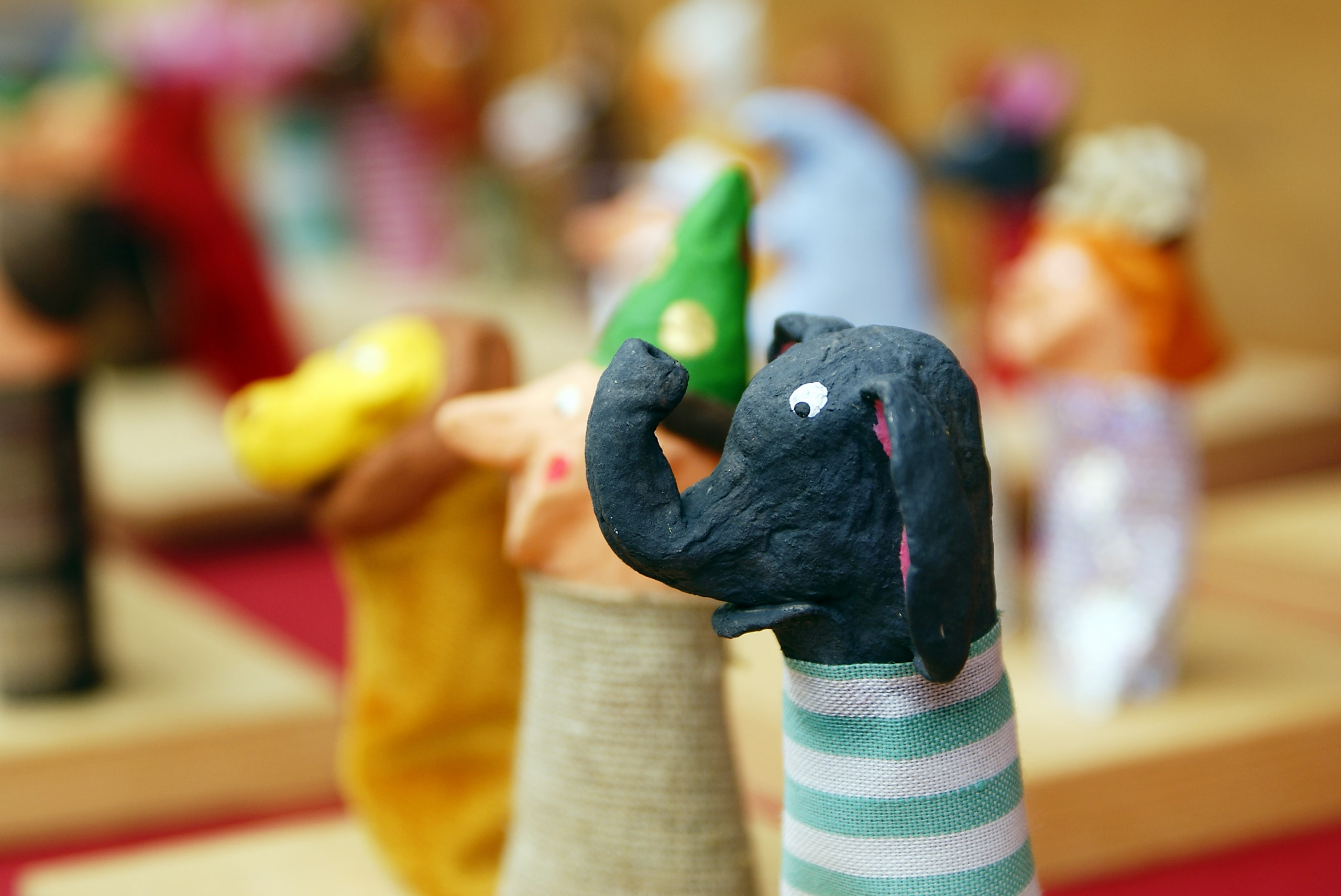
Manipulated by a single finger moving, allowing a puppeteer to have multiple puppets on one hand.
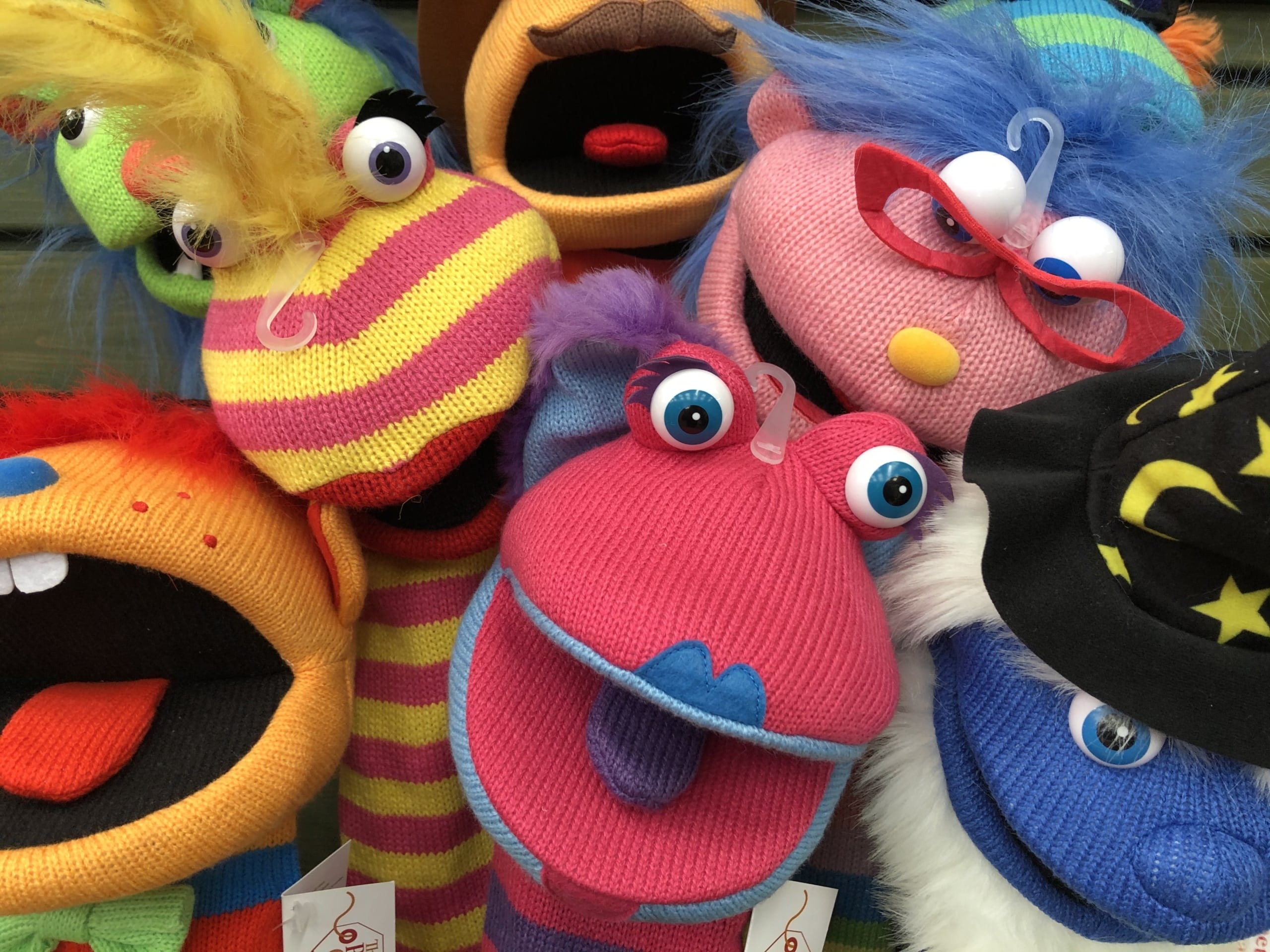 Hand
HandWorn over the puppeteer’s hand like a glove, with fingers fitting into the head and arms of the puppet to create movement. A sock puppet is a familiar form of a hand puppet without using arms— only head and body movement.
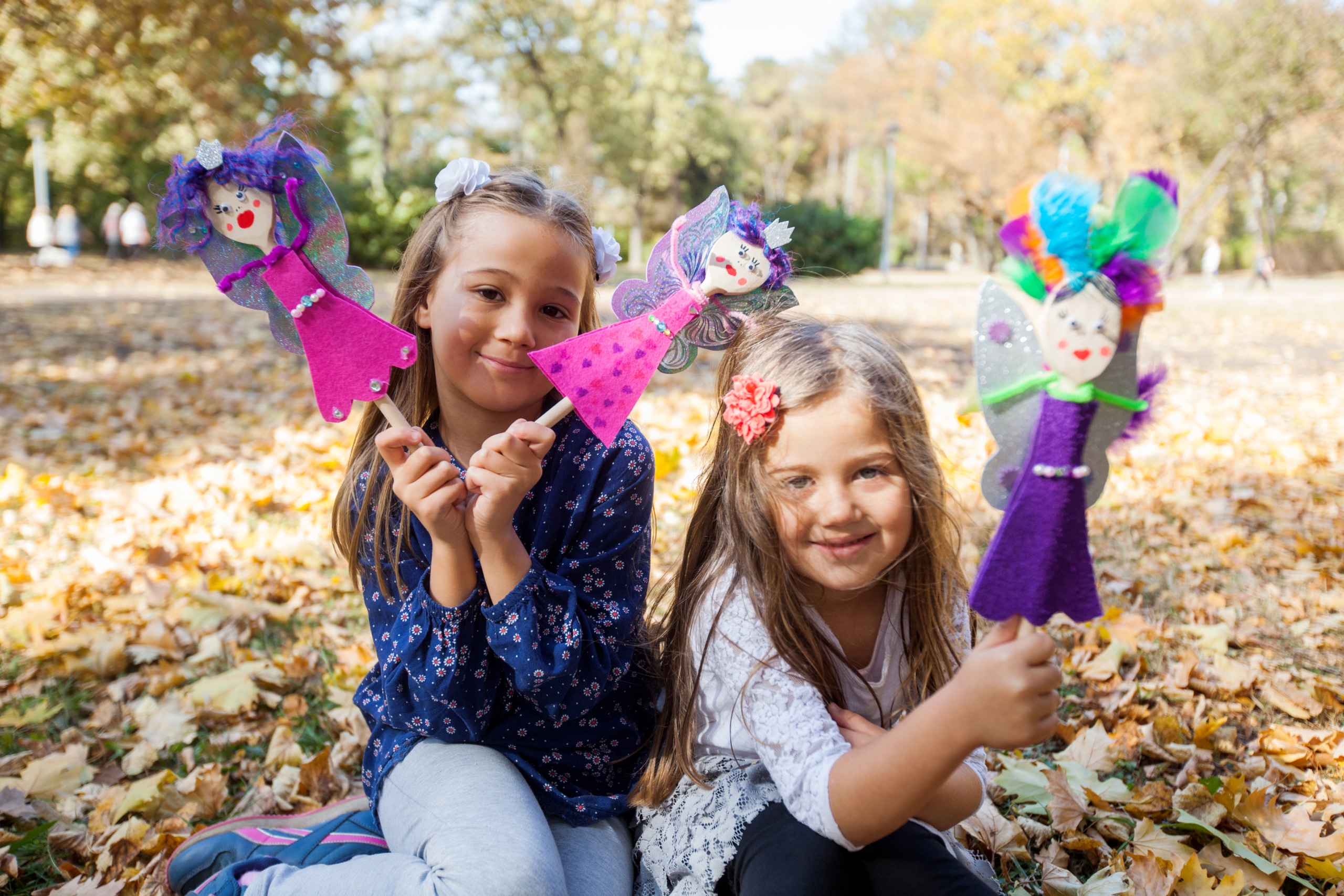 Marotte
A stick puppet featuring a head carved or placed on a stick; manipulated by holding the stick.
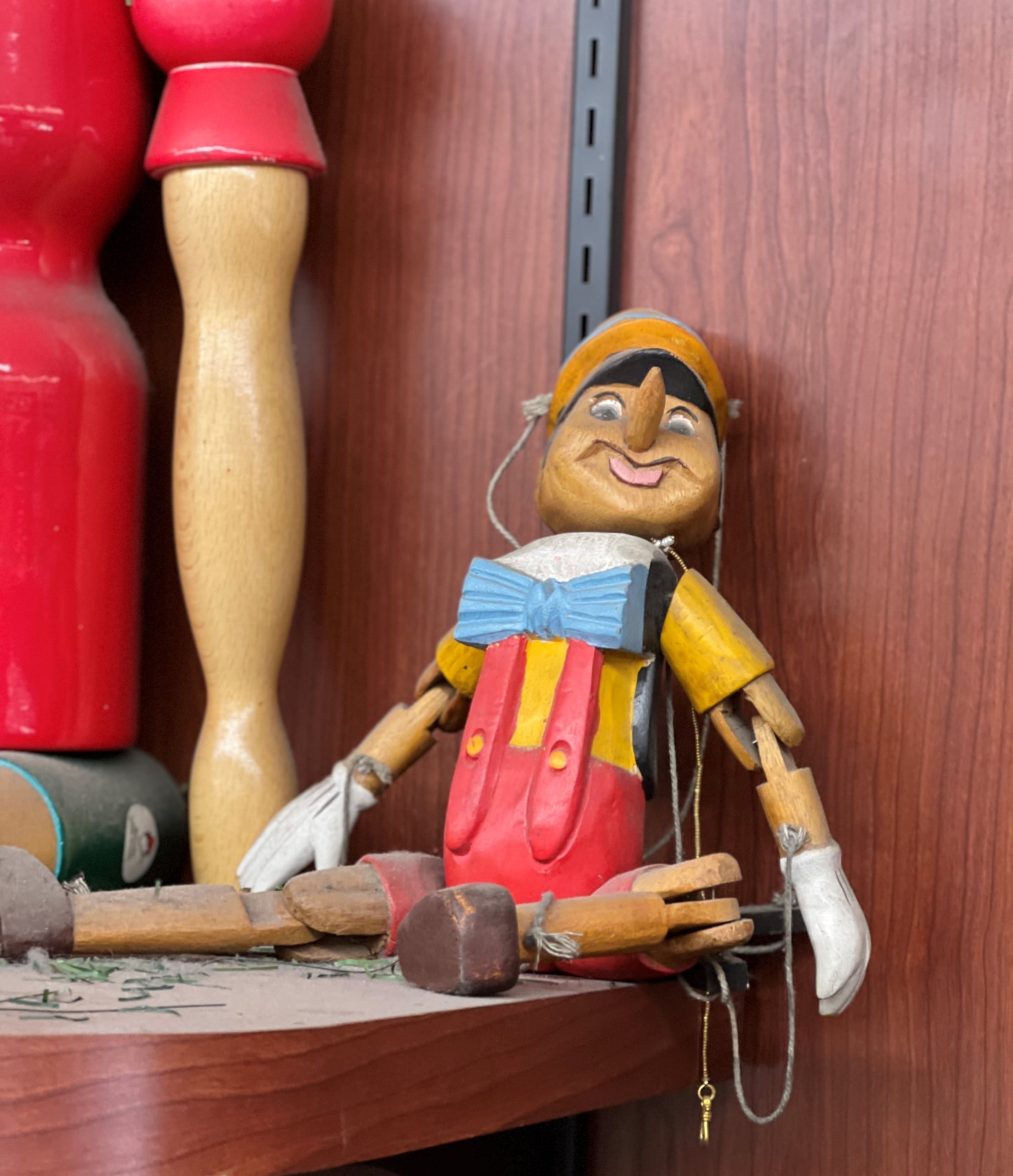 Marionette
A puppet with a complete body manipulated from above by strings connected to the puppet’s limbs.
 Mask
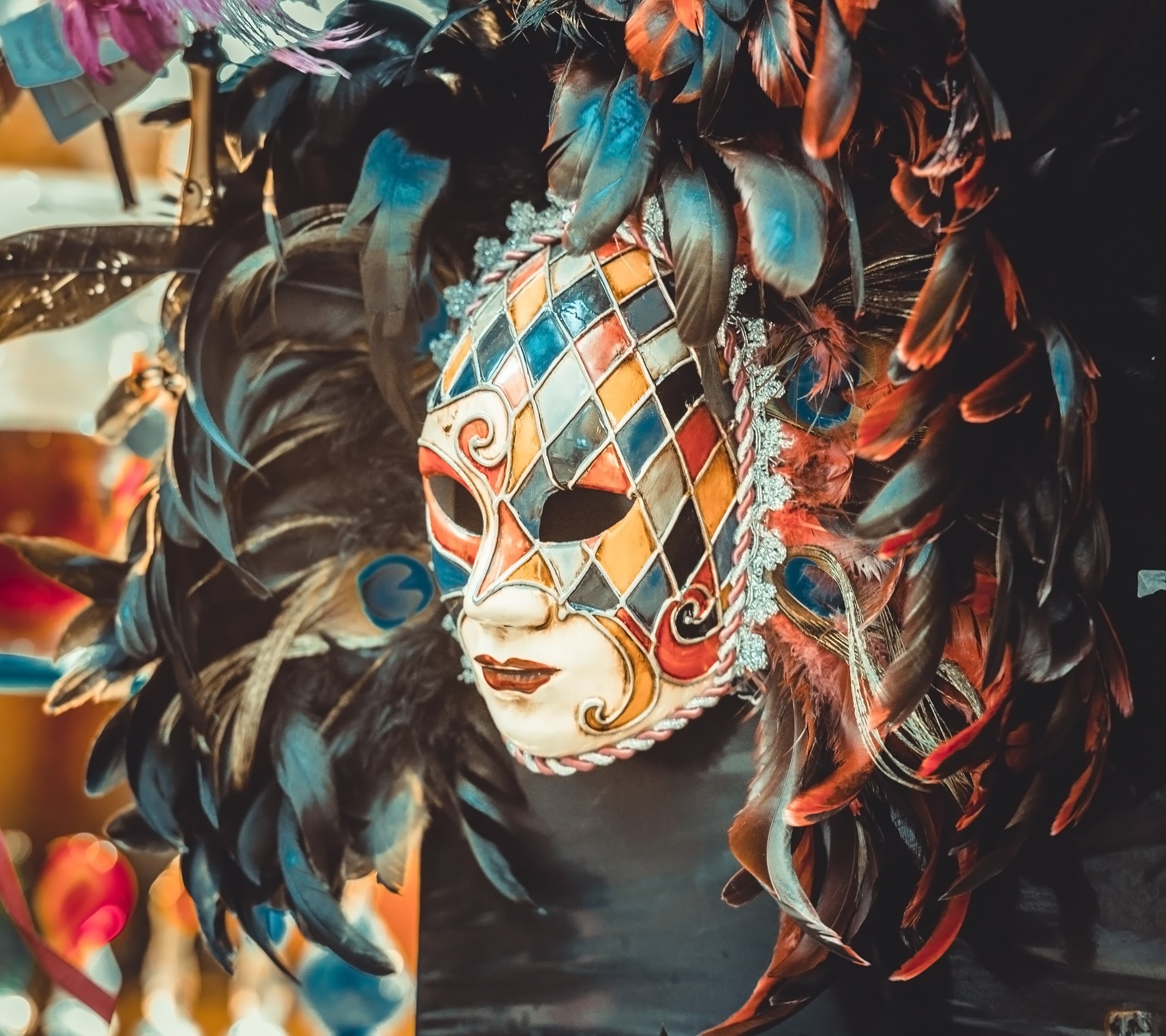
MaskA cover for one’s face that represents a character, figurehead, or feature, and completely hides the wearer’s face. Masks have a long history in theatre, with the Greek comedy and tragedy masks representing arts and drama. Masks are used in many festivals, religious ceremonies, rituals, and celebrations.
 Rod
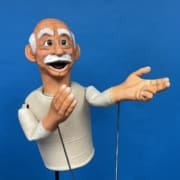
RodUses metal or wooden rods attached beneath the figure for manipulation. Typically, the rods are connected to the puppet figures’ limbs. These puppets can be manipulated by a puppeteer using one arm to wear the hand puppet and one arm moving the puppet’s arm, attached to a rod. If the puppet has two arms or additional figure extensions, more puppeteers can assist.
 Shadow
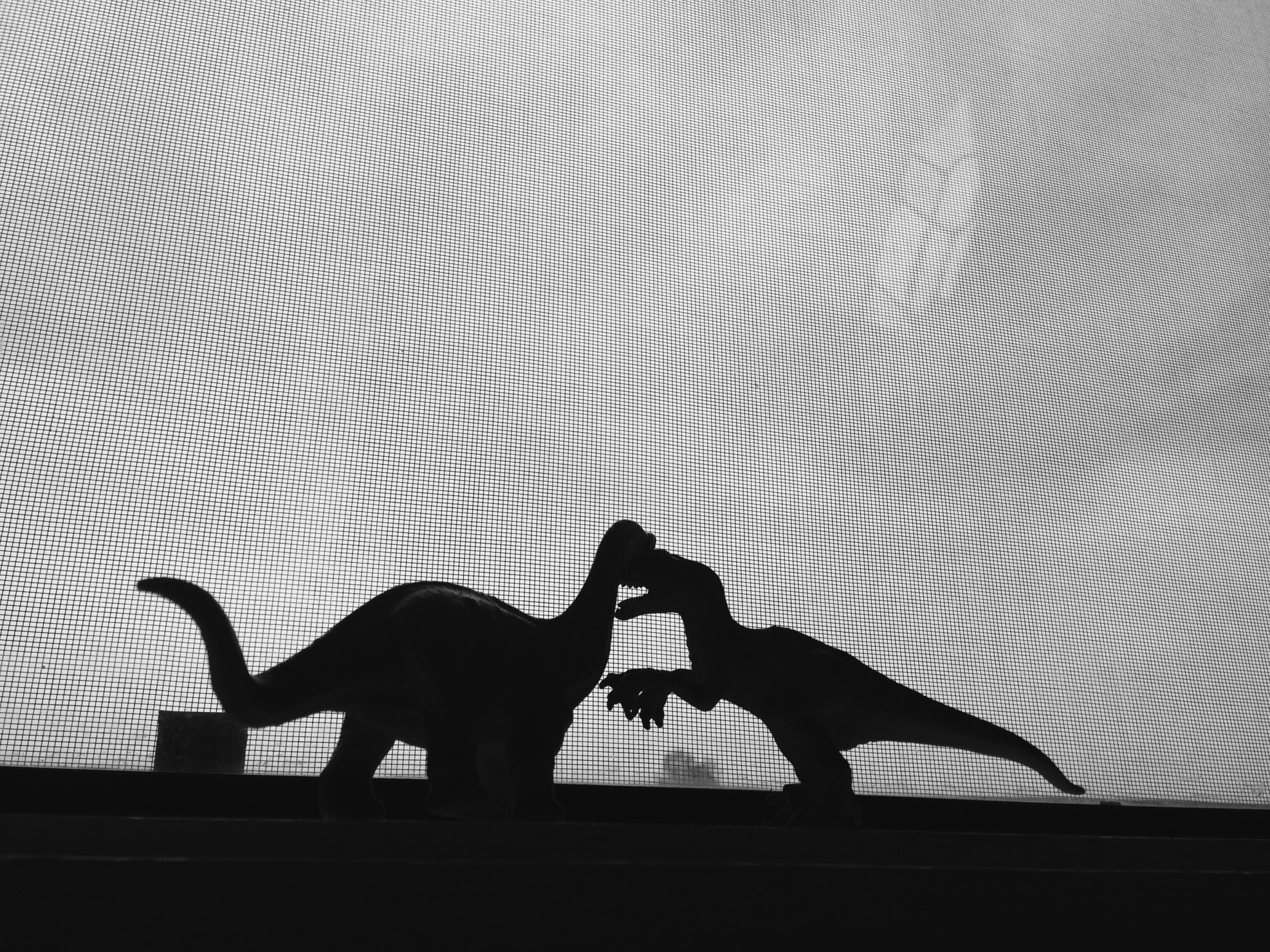
These puppets are created by placing a figure between a light source and a screen, making a shadow. Typically, these figures are flat cutouts, but puppeteers can also use hands to create shadow puppetry
Article originally appeared in Water for Elephants study guide.