DCPA NEWS CENTER
Enjoy the best stories and perspectives from the theatre world today.

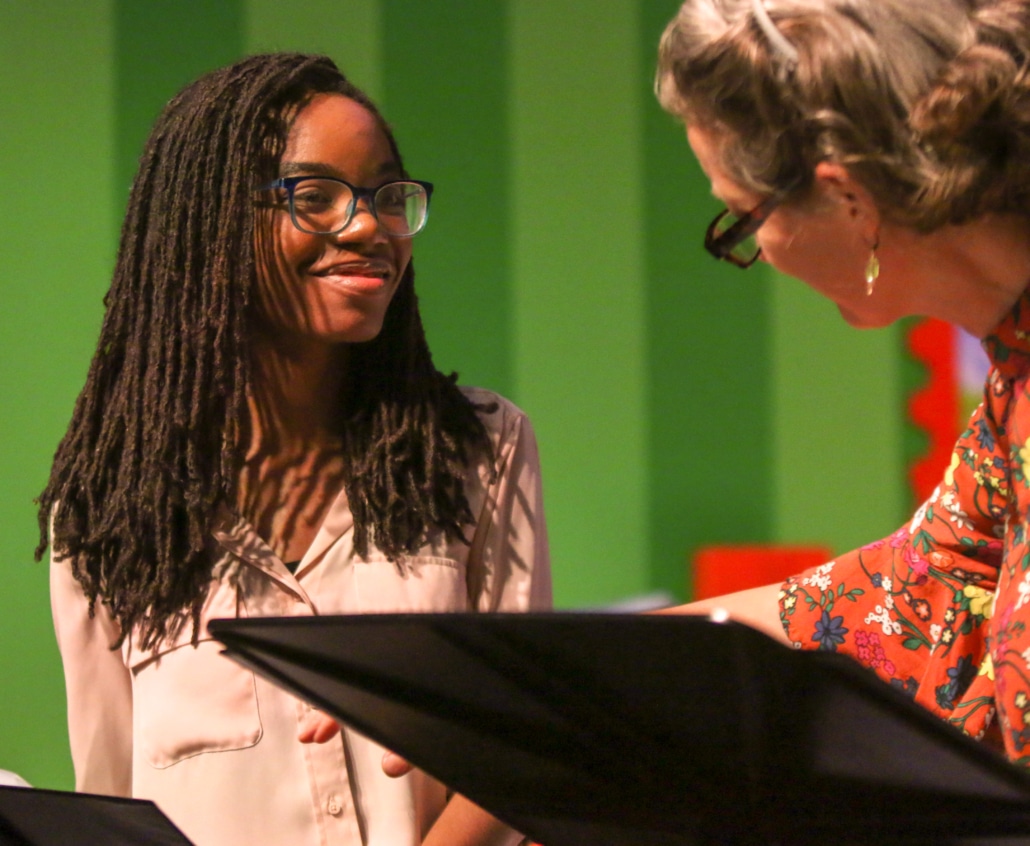
Six winners have been announced for the Denver Center for the Performing Arts’ 14th annual Middle School & High School Playwriting Competition, three in each age group. This year, the DCPA’s Education & Community Engagement team received 288 submissions from students across Colorado. The top three plays by each age group will be included in the 2026 Playwriting Anthology and the three winning high school plays will receive a public staged reading as part of the 2026 Colorado New Play Summit, running February 14-15.
After careful review by a panel of artistic, literary and theatre education professionals, DCPA Education and Community Engagement is proud to announce the following winners for the Middle School & High School Playwriting Competition.
Winners & finalists are listed alphabetically by play title
 Bajo La Misma Luna
 Bajo La Misma Luna is about Luna and Ivan, two teenagers who meet on the rooftop of a building in Denver and end up forming a beautiful connection. Amidst jokes, anxiety, family, work, and the fear of immigration, they get to know each other and grow closer. The moon becomes their “safe place,” even though life is pushing them apart.
DCPA: What was something new you discovered about yourself and/or the writing process while writing your play?
FLAVIA: I realized that my writing is better when I don’t try to “sound perfect” and just put down what I feel, like in real life. I also discovered that small details (like the fries, the sketchbook, the texts, the jokes) make the story feel real and not like a boring summary.
DCPA: What is your favorite line from your play?
FLAVIA: “Bajo la misma luna.” It’s simple, but for me, it has a beautiful meaning; it’s like saying, “Even when everything is wrong, we’re still connected in some way.”
DCPA: If you could cast one known actor in your play (TV, film) who would it be, in which role, and briefly why?
FLAVIA: I would cast Jenna Ortega as Luna because she’s great at portraying that “sarcastic on the outside, but emotional on the inside” vibe. And for Ivan, I would cast Xolo Maridueña because he can act quiet but intense, like he doesn’t talk much, but you can see everything he’s carrying inside.
DCPA: What is another creative goal you have?
FLAVIA: I would like to turn this work into a short film or something filmed (like a mini-movie), using the rooftop and the moon as part of the mood. I also want to continue writing stories that are realistic but with humor, because that’s how I cope with things, and I feel it makes the stories more authentic.
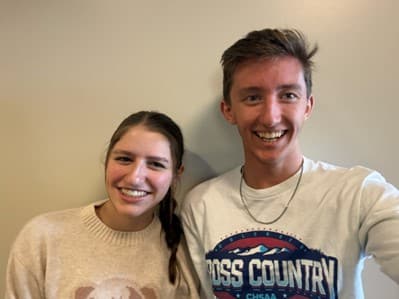 Number 47
 Take a trip to a strange afterlife waiting room, where every soul is reduced to a number. The characters’ fates are hang on the judgement of a grumpy clerk.
DCPA: What was something new you discovered about yourself and/or the writing process while writing your play?
CARSON & KAYLEE: We discovered our love for mystery and the unknown as we explored the afterlife in a dark comedy waiting room.
DCPA: What is your favorite line from your play?
CARSON & KAYLEE: “Remember, son… waiting is worse than going. Live, even when you can’t.”
DCPA: If you could cast one known actor in your play (TV, film) who would it be, in which role, and briefly why?
CARSON & KAYLEE: We would cast Morgan Freeman as our wise old Number 66. He embodies the gentle and kind spirit of our elderly soul.
DCPA: What is another creative goal you have?
CARSON & KAYLEE: Keep learning and expanding our creative reach, so we can write even more cool pieces!
 Scraps
 Scraps is about a young girl in a bad situation and the adults that know her. It explores themes of morality and responsibility.
DCPA: What was something new you discovered about yourself and/or the writing process while writing your play?
AUDREY: I’ve learned that I really enjoy writing dialogue, and that everything always needs a lot more editing than you think it does.
DCPA: What is your favorite line from your play?
AUDREY: “Who cares if one scrawny girl slips through the cracks? Hell, even a few thousand? A few thousand is nothing in the grand scheme of the world. You don’t even have to feel guilty, because it’s impossible to put the blame on anyone but us. On me. I’m the defect.”
DCPA: If you could cast one known actor in your play (TV, film) who would it be, in which role, and briefly why?
AUDREY: If I could cast any actor in my play, I’d probably pick Toni Colette to play Ella. Hereditary is one of my favorite movies, and she’s a very talented actor. She also looks a lot like I imagine Ella.
DCPA: What is another creative goal you have?
AUDREY: I would love to write a novel, one day. Maybe even get it published.
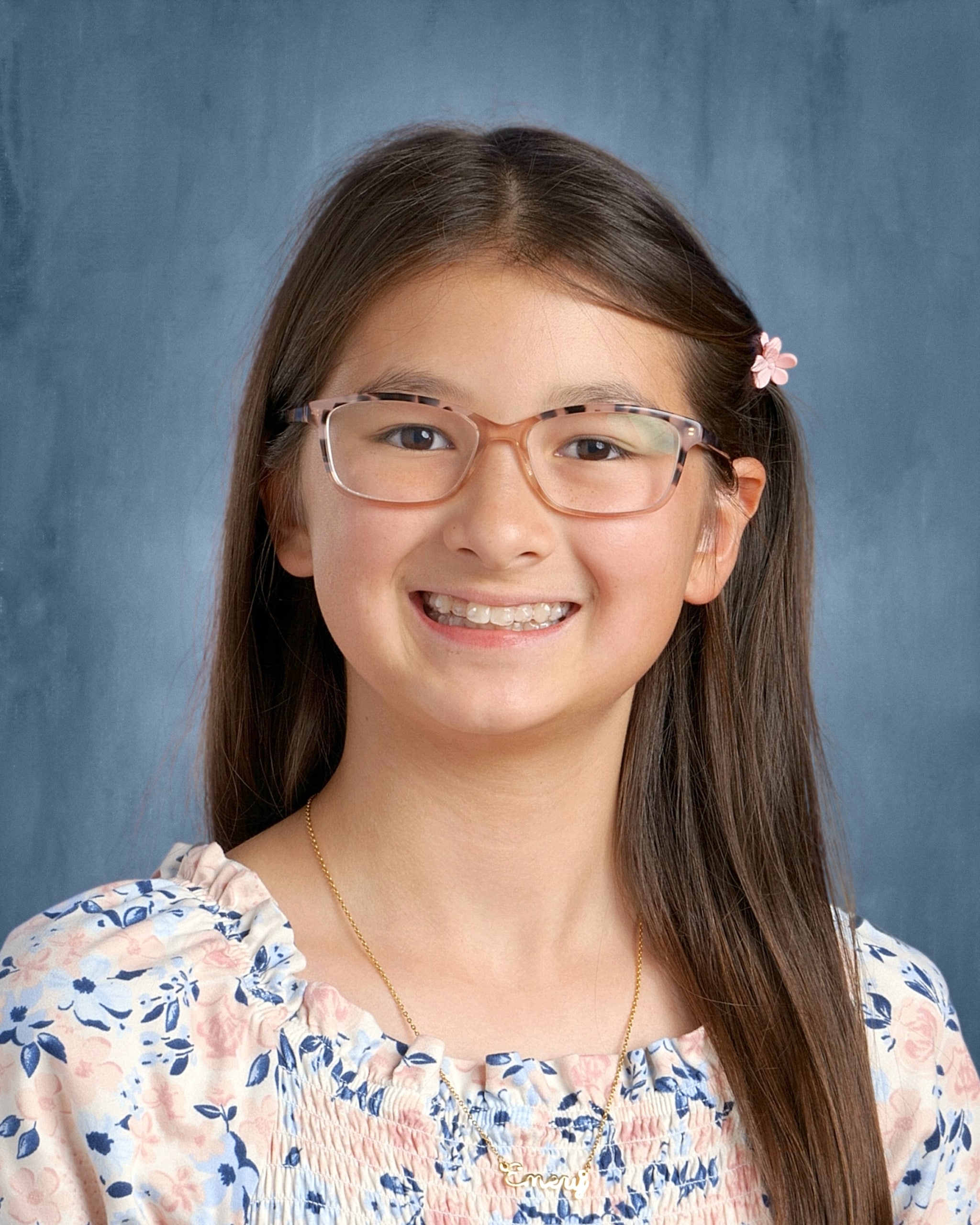 The Case of the Missing Jewels
 In The Case of the Missing Jewels, four middle school students are trying to figure out who stole Ms. Valery Rosenberge’s jewels. A detective named Kiara interrogates the suspects, with help from her assistant, Sophie. The suspense will keep you on the edge of your seat until the very end.
DCPA: What was something new you discovered about yourself and/or the writing process while writing your play?
EMERY: I learned that I enjoy writing mysteries and plays. When my family performed my play, it helped make the the editing process easier.
DCPA: What is your favorite line from your play?
EMERY: My favorite line is when Sophie says, “I arrest my case.”
DCPA: If you could cast one known actor in your play (TV, film) who would it be, in which role, and briefly why?
EMERY: I would cast Ariana Grande as Cassidy. I love the way she portrayed Glinda in Wicked, and I think she would be a perfect fit.
DCPA: What is another creative goal you have?
EMERY: I have high hopes to publish a book. I have a long list of book ideas going, and I hope to write one soon.
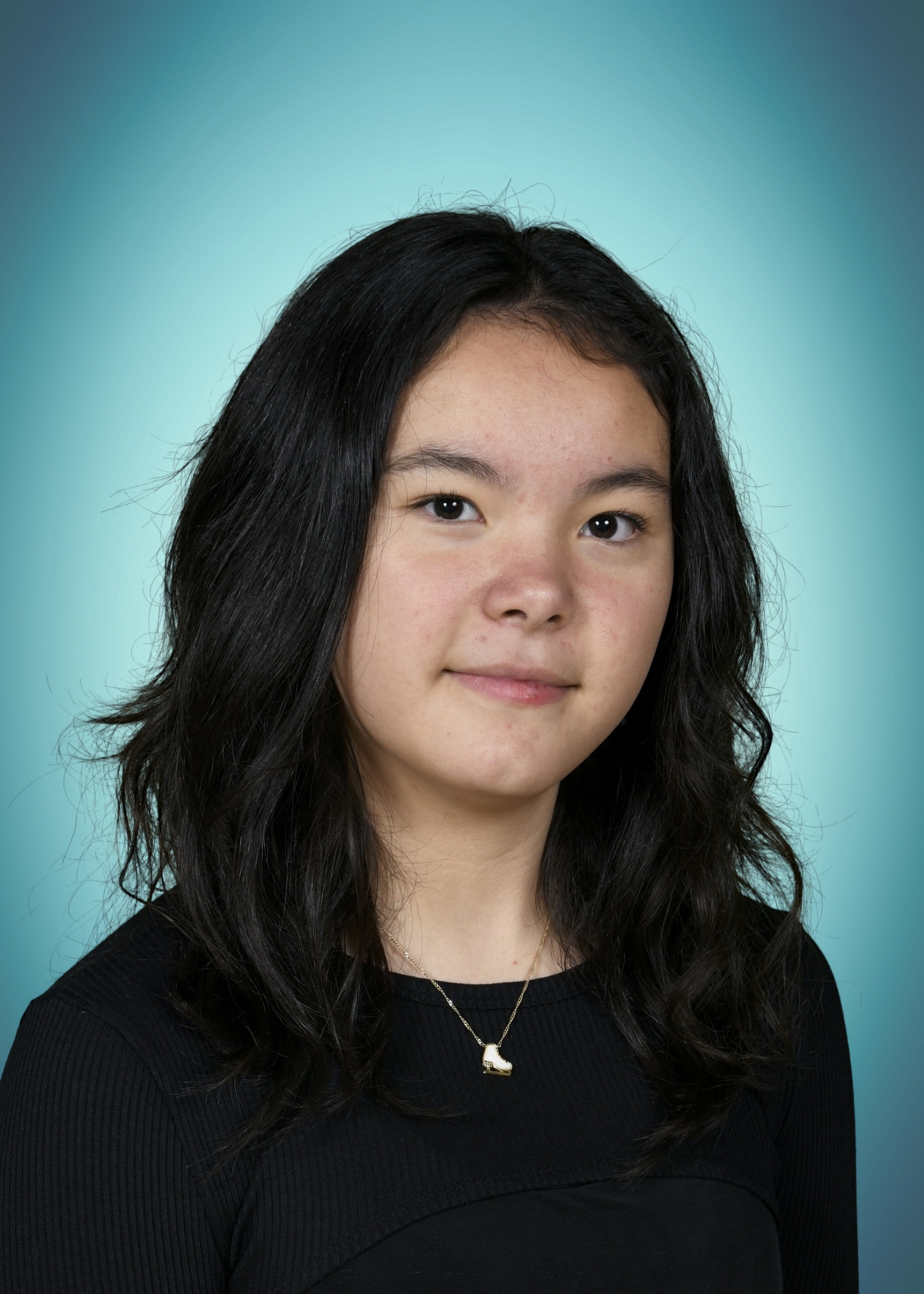 The Daughter of the All-father
 The daughter of Odin, the All-father of the Norse Pantheon, rivals the daughter of Zeus, the King of the Greek Gods, and together the two confront their fathers and create alliances within the Academy for demigod children of the Greek and Norse pantheon.
DCPA: What was something new you discovered about yourself and/or the writing process while writing your play?
MIYU: While writing this play, I learned a new way of storytelling. I’ve been writing books since I could write. I loved telling stories and creating fantasy worlds purely from my imagination, and once I got the opportunity to write a play, I learned that there are ways to express emotions and tell a story through acting, emotion, and engaging with an audience. In some ways, writing a play was much harder because I had to really think about the setting of the story, the characters, how they act and talk, but also writing a play is much easier than writing a book because people can see the setting and the characters, yet in a book, the reader must imagine it in their mind. I wouldn’t have learned this if I hadn’t received the opportunity to write a play and truly see what that process is.
DCPA: What is your favorite line from your play?
MIYU: My favorite line from Daughter of the All-father would be when Revna Odinsdottir and Thea Mendoza say, “What?!” in unison, because this is when they realized that their fathers were testing them and trying to teach them and the entire Academy a very important lesson.
DCPA: If you could cast one known actor in your play (TV, film) who would it be, in which role, and briefly why?
MIYU: If I could cast one known actor in my play, I would choose Zendaya because she’s a really good actress. I look up to her because I want to become an actress in the future, and I’d want her to be Revna Odinsdottir because Zendaya’s previous roles give off a similar vibe or personality to Revna. For example, MJ from Spider-Man is a very calm, cool, and collected character. She is intelligent, isn’t reckless, and truly cares about other people. I wrote Revna to be similar to this, since she is the daughter of the All-father of the Norse pantheon, meaning she holds great responsibility and must be highly mature.
DCPA: What is another creative goal you have?
MIYU: Since June 2025, I’ve been working on my own movie screenplay called Marked for Deletion. I’ve always loved writing stories, and after writing a play, I thought I’d take one step further and begin writing a movie. I’ve been highly committed. I recently finished the screenplay, and I plan to cast it, film it, and hopefully get it into theatres through contests. This is one of the biggest goals I have, not just as a writer, but as an actress as well, since I will be acting the main character in my movie.
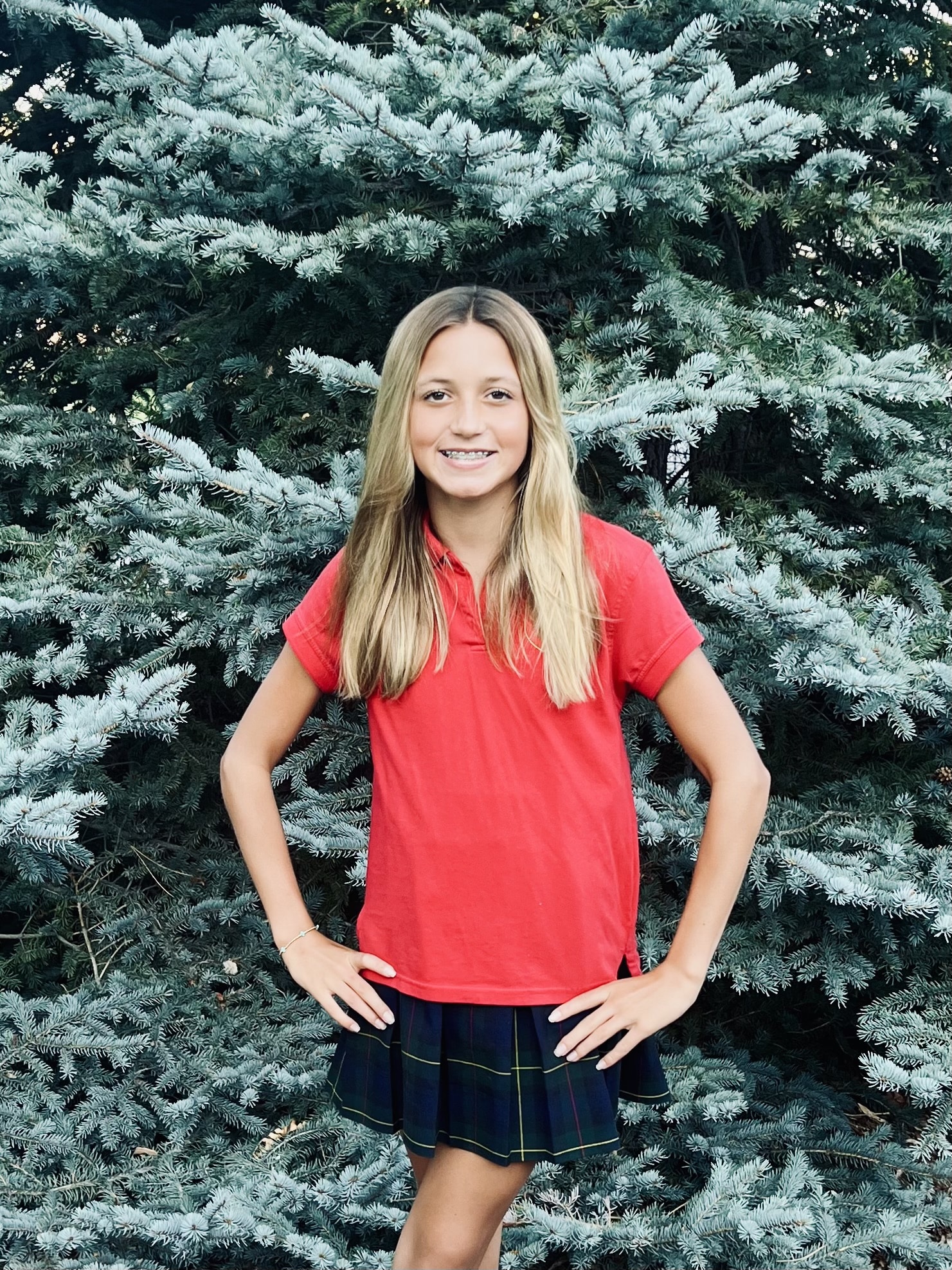 The Waiting Room
 In a hospital waiting room, John and Avery are waiting for their loved ones who got in a car accident. After a few minutes, they realize that their loved ones got in the same head on collision. The power of empathy exceeded their anger over the cause of the accident.
DCPA: What was something new you discovered about yourself and/or the writing process while writing your play?
TAYLOR: I discovered that that there are many different ways to be creative during writing. Outlining the play also helps bring out more creative ideas and helps tie the play together.
DCPA: What is your favorite line from your play?
TAYLOR: “That no matter how careful you are, life is still going to throw you into someone else’s lane once in a while. All you can do is steer right.”
DCPA: If you could cast one known actor in your play (TV, film) who would it be, in which role, and briefly why?
TAYLOR: I would cast Madelyn Cline as the actress of Avery. She is best known for “Outer Banks” where she successfully plays a likeable teen role. I believe she would be the perfect fit to play the role of Avery.
DCPA: What is another creative goal you have?
TAYLOR: Another creative goal that I have is to write more about real life scenarios that people may experience.
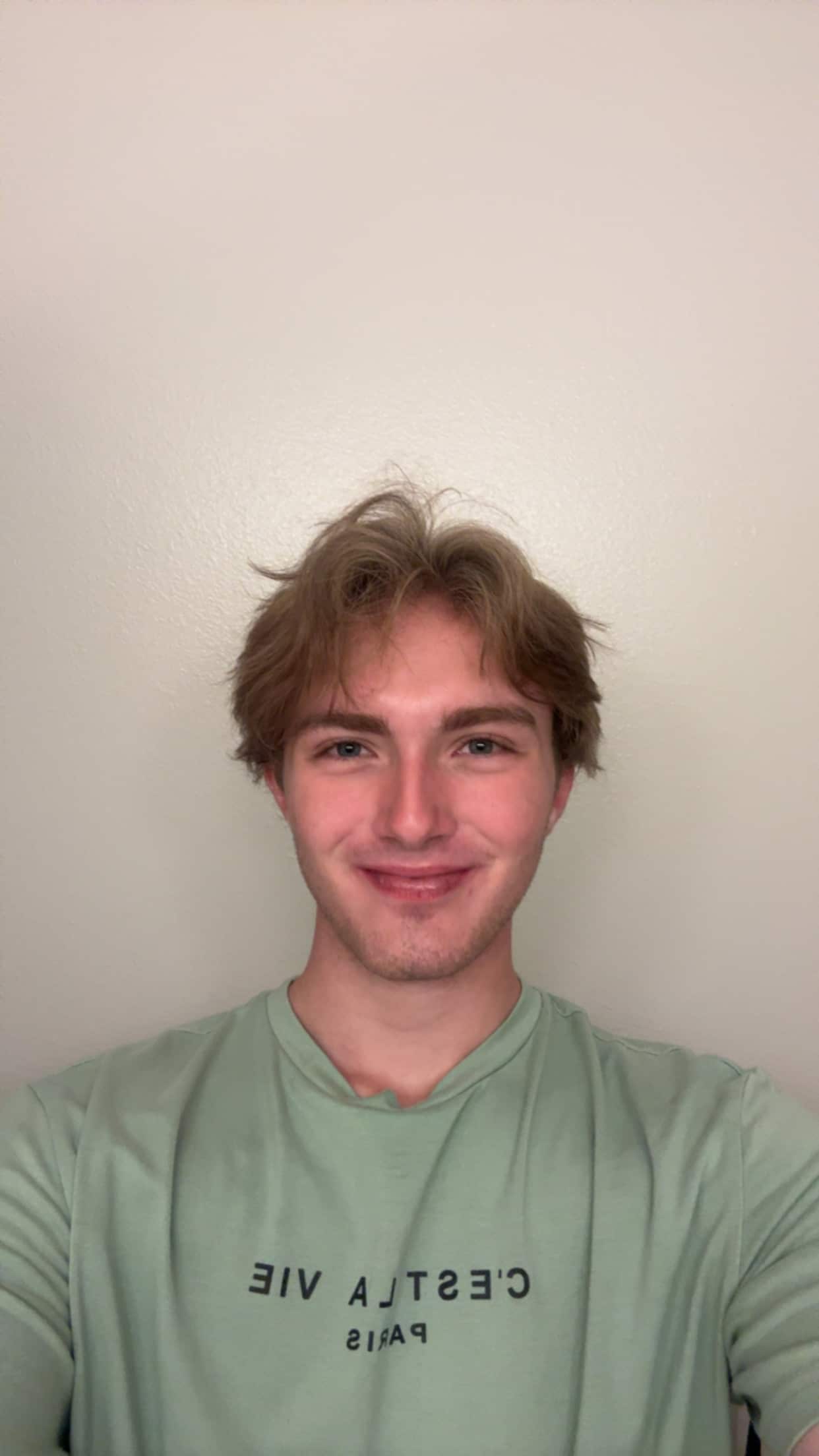 The Grocery and the Clerk
 The Grocery and the Clerk is a comedy that finds the humor in stereotypical interactions that may happen in a retail/work setting. It also was an attempt to use certain technical techniques to make scenes seamless and keep an open and always interesting set.
DCPA: What was something new you discovered about yourself and/or the writing process while writing your play?
LIAM: I’ve always known I like to write comedies, but I never knew how silly writing a melodramatic monologue could be.
DCPA: What is your favorite line from your play?
LIAM: “The cup girl? What? Needeth you rest thy head, fair squire? Has thine illness returneth?
DCPA: If you could cast one known actor in your play (TV, film) who would it be, in which role, and briefly why?
LIAM: Probably Daniel Radcliffe as Lark. I’ve always been a fan of Harry Potter, but I’ve also loved his recent roles in movies and musicals such as Merrily We Roll Along and Guns Akimbo. It’d be really funny for him to play another eccentric character.
DCPA: What is another creative goal you have?
LIAM: To write on my own. This assignment was pretty independent and gave me a great first taste into the real process of independent writing. I would really love to pursue playwriting at a professional level. I think that would just be so fulfilling.
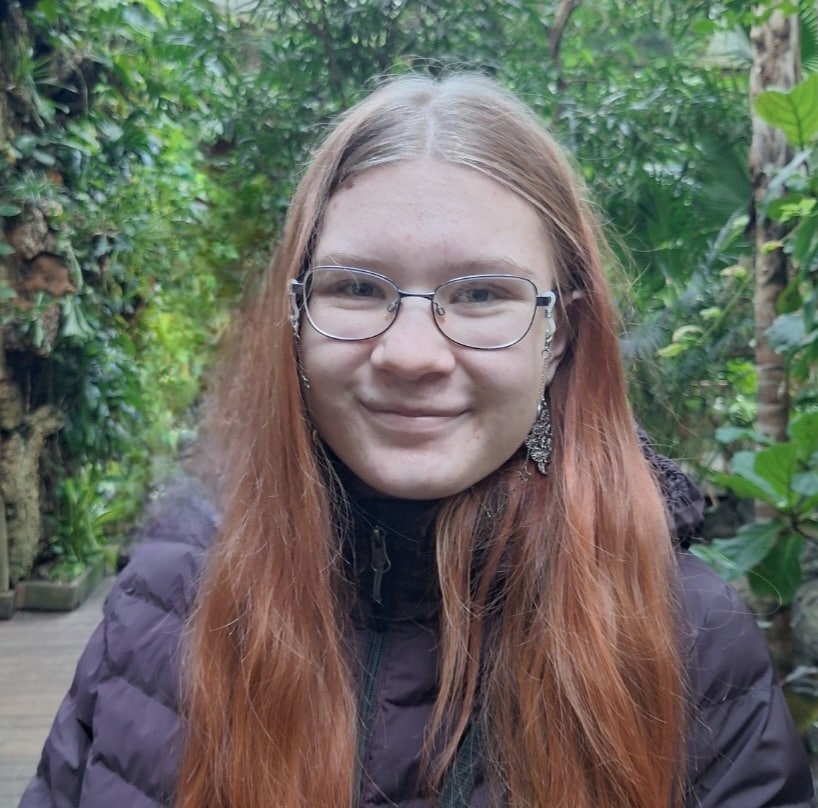 Storm Surge
 Storm Surge tells the story of a girl named Lucy as she grows throughout her life. Beginning at the age of eight alone with her parents and eventually expanding to pull in her friends Daniel and Amelia. Each scene shows a memory from some point in her life while each moment with Halia she hesitates to move on.
DCPA: What was something new you discovered about yourself and/or the writing process while writing your play?
CRESSIDA: I discovered that while I’m not very scared of death, I’m scared of uncertainty. But I can’t ever know what happens after death until I die. So, as I wrote I decided I’d stop worrying about death and just focus on loving life and being happy.
DCPA: What is your favorite line from your play?
CRESSIDA: My favorite line from my play is “No one wrote them before me, but they don’t come from nothing,” which Lucy says about the characters in her stories. This line came directly from me, each of my characters is a thought or emotion and while none of them are real people (my mother is wonderful), they still hold a very real place in my heart and existence.
DCPA: If you could cast one known actor in your play (TV, film) who would it be, in which role, and briefly why?
CRESSIDA: If I could cast one known actor, I would pick Eleanor Worthington-Cox to play the role of Lucy. The first role I saw her in was Natalie Goodman in the west end version of Next to Normal, and her performance was so beautiful. I think she would be the perfect Lucy.
DCPA: What is another creative goal you have?
CRESSIDA: I love writing. I would love for my future books and stories to be published. I have so many ideas for books, and I want to share them with others more than anything. My goal would be to publish my first book, even if only my mother buys and reads it.
 This Corner On 18th
 This Corner On 18th follows a late-night encounter in a worn Brooklyn sandwich shop where Gino, a man stuck running away from the life he inherited, meets Kade, a runaway teenager with no where else to go. Over one long night both men are forced to decide whether staying might be braver than running.
DCPA: What was something new you discovered about yourself and/or the writing process while writing your play?
CADGE: During the writing process of my play, I discovered that it is much easier for me to visualize the action on stage, and then figure out how my dialogue and stage directions should be written in the script.
DCPA: What is your favorite line from your play
CADGE: Sweetheart, huh? Should I put that on my resume? -Gino
DCPA: If you could cast one known actor in your play (TV, film) who would it be, in which role, and briefly why?
CADGE: If I were to cast one known actor in my play it would be Caleb McLaughlin in the role of Kade. I believe that he is great at playing guarded characters that could be visibly hurting on the inside, and the intensity and vulnerability in his acting could have lots of potential to replicate Kade’s breakdowns.
DCPA: What is another creative goal you have?
CADGE: Another creative goal of mine is to become a writer and director of my own film. I want to lead a cast with a clear creative vision and storytelling purpose, using the story as a way to connect with and impact an audience in a lasting way.
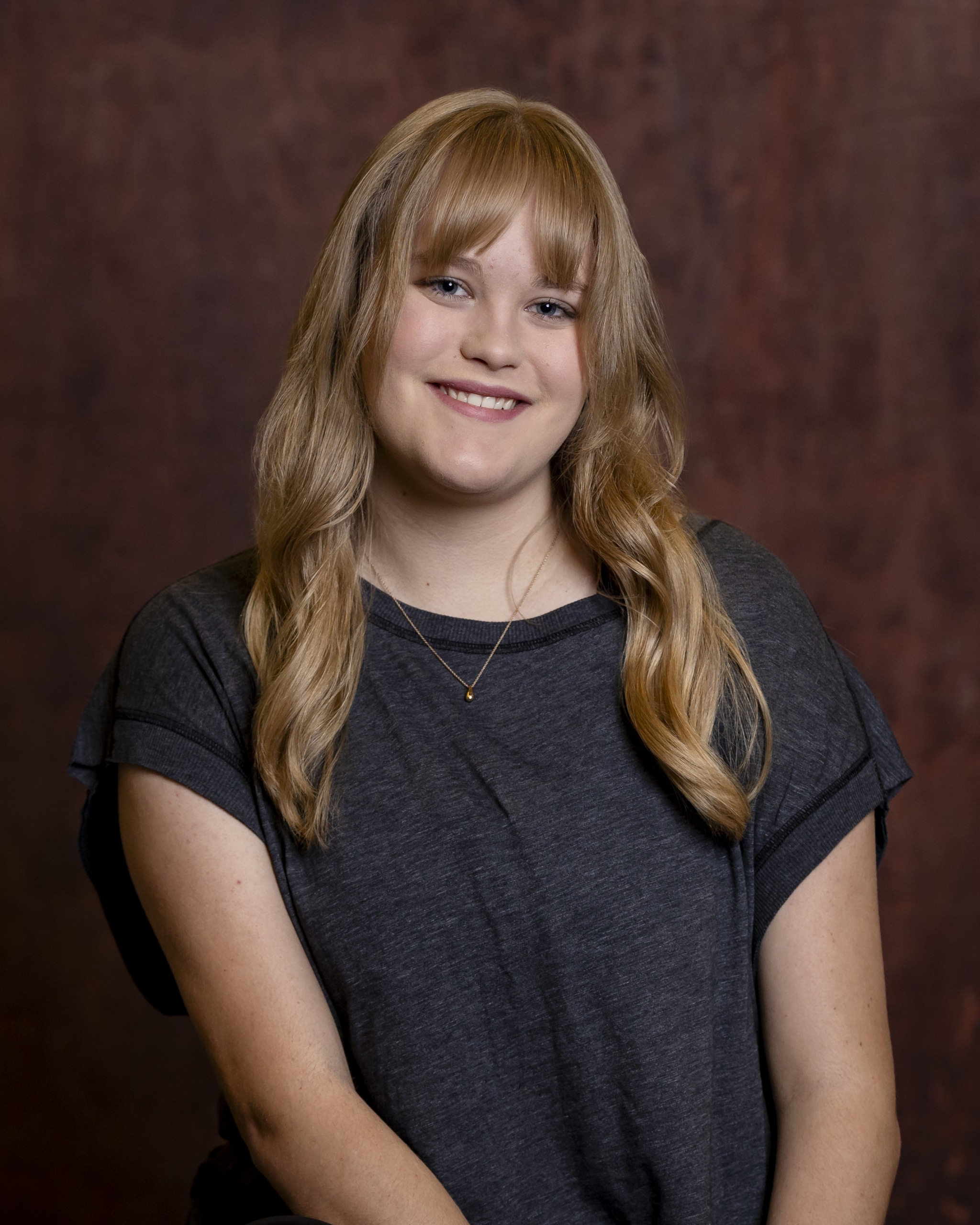 The Weight of Still Water
 Jessica Peters wrestles with the weight of guilt in the present while her past is slowly revealed, all while trying to maintain the illusion of a perfect life: perfect boyfriend, perfect grades. And of course, a perfect record. That is, give or take a six-month police investigation.
DCPA: What was something new you discovered about yourself and/or the writing process while writing your play?
KATHERINE: Through this writing process, I learned how to show action through dialogue, which I believe will help me further my writing abilities in future creative works. I also struggled with starting my play, and one thing I learned about myself is that I need to get everything out on a blank page, even if it isn’t perfect, or else I won’t start.
DCPA: What is your favorite line from your play?
KATHERINE: “This is already more than I owe to you.”
DCPA: If you could cast one known actor in your play (TV, film) who would it be, in which role, and briefly why?
KATHERINE: I would cast Sadie Sink as my protagonist because of her deep connection to the character she portrays, and she conveys what a character is thinking without saying a word in an extremely effective way. She also fits the vision I have for my main character (young, strong-spirited, etc.).
DCPA: What is another creative goal you have?
KATHERINE: It is my dream to one day be a published author, as I love creative writing and crafting worlds for my creative projects.
 When It Rains
 When It Rains is an exploration of grief, first love, and emotional vulnerability. Following teenagers, Lyla and Cole, as they navigate loss, relationships, and their impacts. Moving between present day moments and memories, exploring how love can heal, hurt, and linger long after it’s gone, similar to grief itself. The story is about learning how to survive the sometimes unavoidable and unpredictable circumstances of life, and the emotional “storms” that come along with it, while trying not to lose yourself.
DCPA: What was something new you discovered about yourself and/or the writing process while writing your play?
CLAIRE: While writing this play, I learned how important it is for me to go deeper in my self expression and to embrace vulnerability as a strength rather than something I want to hide. I became more aware that grief isn’t one shared experience; everyone processes loss through different emotional lenses shaped by their own life experiences, even when they live through the same moment together. This process taught me the value of grace: allowing space for different reactions, memories, and time needed for healing, as well as showing me how to honor the complexity of human emotion instead of simplifying it.
DCPA: What is your favorite line from your play?
CLAIRE: “How do you master something that keeps rewriting itself? How do you make peace with a storm that refuses to blow over?”
DCPA: If you could cast one known actor in your play (TV, film) who would it be, in which role, and briefly why?
CLAIRE: I would cast Mason Thames as Cole because he naturally captures emotional depth without needing big, dramatic moments. He’s especially strong at showing vulnerability through silence, subtle expressions, and restraint, which fits Cole’s internal struggle and emotional withdrawal perfectly. His ability to balance humor with pain would bring a lot of honesty and realism to the role.
DCPA: What is another creative goal you have?
CLAIRE: Another creative goal I have is to become a professional actress while continuing to grow as a writer and director. I want to pursue performing arts in college, so I can fully develop my voice as an artist and deepen my love for storytelling through performance. The arts are where I feel most alive, and my goal is to keep creating meaningful work that connects with people, explores real emotion, and turns human experiences into something honest and powerful.
 Wilted
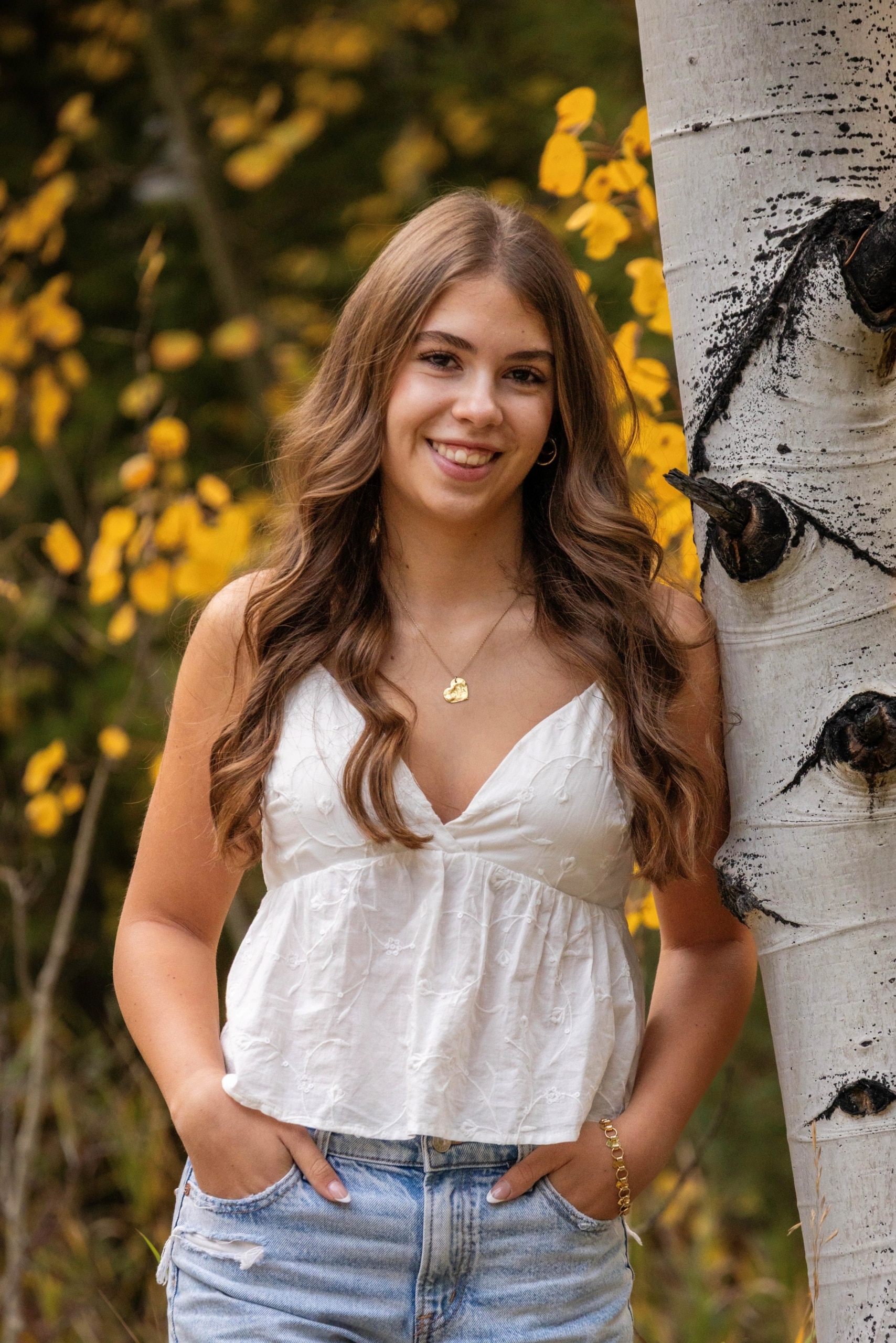
 Wilted is about a very difficult and complex relationship between mother and daughter. Themes such as guilt and forgiveness are explored as mother Marie and daughter Andrea attempt to reconcile their broken relationship.
DCPA: What was something new you discovered about yourself and/or the writing process while writing your play?
GABE: I’ve connected Wilted to a multitude of events that have occurred in my life, and throughout the writing process I explored my own feelings of guilt and forgiveness. I think I’ve learned a lot about myself in that regard and am grateful to have learned so much by writing this play.
ALANNA: I’ve always loved writing, but I’ve always only written short stories rather than plays. Throughout the process of writing my play, I discovered how different and more challenging it was to get my creative flow when it came to writing dialogue between 2 characters, and scene changes. It was a new experience, but I found I enjoyed writing plays just as much, if not more than writing short stories.
DCPA: What is your favorite line from your play?
ALANNA: You’ve never said what you did. You keep circling around it, like it’ll disappear if you don’t give it a name.
GABE: I told you once that the world wasn’t kind to princesses. I wish I hadn’t. I wish I’d just let you dream.
DCPA: If you could cast one known actor in your play (TV, film) who would it be, in which role, and briefly why?
GABE: I would like to cast Winona Ryder as Marie. I think she carries a very large emotional range and is a spectacular actor. She could definitely properly portray Marie in the complex way that she needs to be portrayed. I’d love to see her take on the character, and would also want to see what she adds to Marie’s characterization.
ALANNA: If I could cast one actor in our play, I would cast Amanda Seyfried because I’ve always loved her acting, and her [role] in The Housemaid displays the kind of acting I think would be a good addition to this play.
DCPA: What is another creative goal you have?
ALANNA: After writing this play, a creative goal I have is to continue writing more short stories, but also challenge myself by coming up with new ideas for short plays, and writing them out so I can expand my writing abilities.
GABE: I want to explore more of my emotional range through writing, as well as expanding my knowledge of different genres of writing.