DCPA NEWS CENTER
Enjoy the best stories and perspectives from the theatre world today.

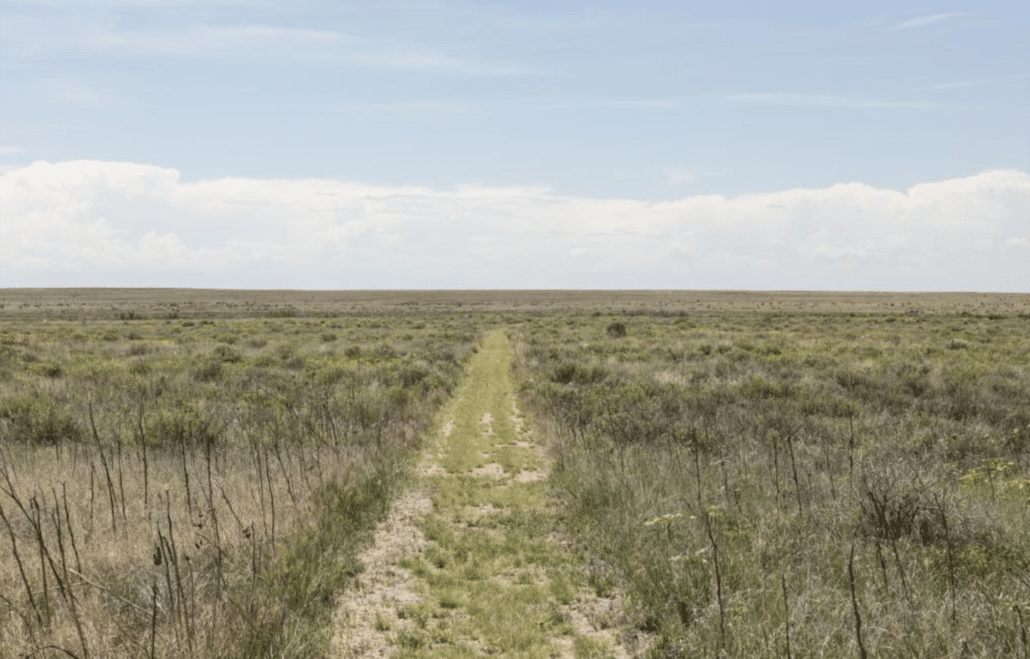
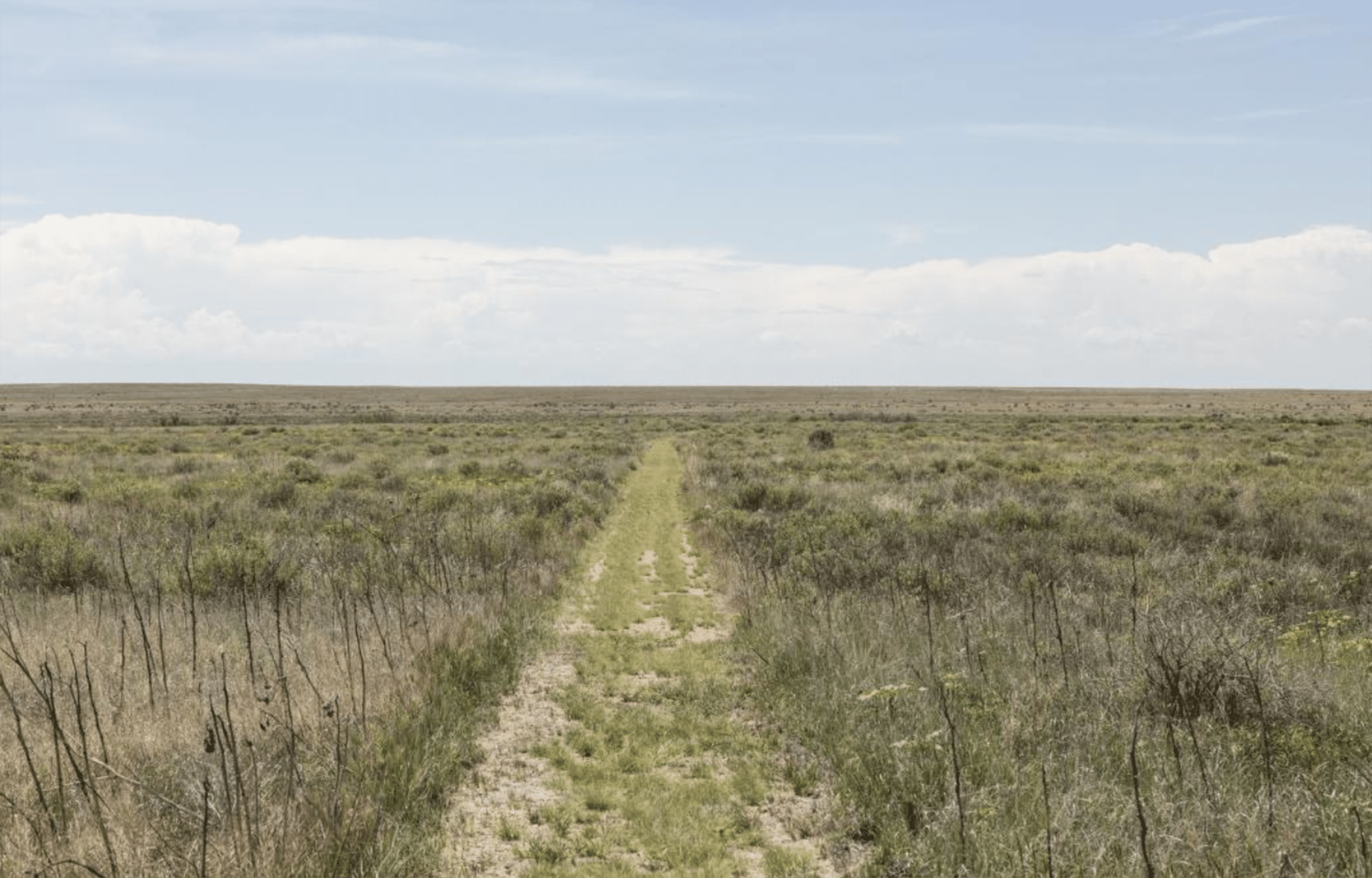
Gates Frontiers Fund Colorado Collection within the Carol M. Highsmith Archive, Library of Congress, Prints and Photographs Division
In 1909, the United States government passed the Enlarged Homestead Act to encourage dry-land farming in most western states including Colorado, Wyoming, Utah, Arizona, Montana, Washington, Oregon, and Nevada. Individuals could claim up to 320 acres of land while married couples were entitled to 640 acres.
Despite the daunting challenge of farming this seemingly barren expanse of land, many settlers were lured by the idea of owning their own property. And for sisters Josephine and Lenora Rucker, the idea went beyond land ownership. It represented an opportunity to create a new community, free of racial discrimination.
The Rucker sisters — two Black women — took advantage of the Enlarged Homestead Act, claiming acreage in Otero County, Colorado to create a community known as The Dry. Having seen the way their employer used irrigation to grow fruit, the sisters enlisted George Swink to develop an irrigation system and set out to recruit new residents. Nearly 50 families relocated and helped create a dam and watering system.
“I think it was about five dollars an acre. He had to live on it for three years, make a house site, and dig a hole for water,” said Rolan Craig, daughter-in-law of early settler Lulu Craig. “That was the requirement for homesteading.”
“Rolan went along in their wagon, pulled by the horses, until they went over a rise and they stopped and looked. And my mother said you could see for a hundred miles — nothing but flat prairie, no trees, cactus. They looked around, not even any wildlife. It was quiet and still.” — Alice McDonald, granddaughter of Lulu Craig
At its height, these homesteaders created a community with as many as 100 settlers. However, the already severe conditions became untenable when the dam broke causing the irrigation system to fail. “We had to haul water every day, sometimes twice a day,” McDonald said. “We could go out to the well, which was probably three miles away.”
Soon after, the Dust Bowl swept through the land. “They called them the Dirty Thirties,” said Craig. “The wind blew the dust; the air was full of dust. We ate dust. We slept dust. We smelled dust. We lived in dust for, it seemed like months.” With the elements against them, many families were forced to relocate once again.
While never a bustling town, the area was known for its legacy of freedom, family, and resilience, which is documented in the History Colorado display, “The Dry: Black Women’s Legacy in a Farming Community.”
What started as a large exhibit on History Colorado’s third floor mezzanine, has been replicated into a portable exhibit that can tour the state. Currently, it is on display at the Creede Underground Mining Museum through mid-May and in the Helen Bonfils Theatre Complex lobby in downtown Denver’s Arts Complex through the summer after which it will be relocated to the Buell Theatre lobby through the runs of Beetlejuice (Aug 4-9) and Monty Phthon’s Spamalot (Aug 11-23).
“As we celebrate the stories on our stages, we’re also proud to share stories from our Colorado community and partner organizations,” said Leean Kim Torske, Denver Center Theatre Company Director of Literary Programs.
“Part of the long and often overlooked history of Black accomplishments in the Centennial State, ‘The Dry: Black Women’s Legacy in a Farming Community’ explores the legacy of the powerful women who built and sustained this close-knit community. The Denver Center for the Performing Arts is excited to uplift their stories.” — Leean Kim Torske, DCTC Director of Literary Programs
To learn more about these resilient women and the community they forged on the plains of Colorado, view additional stories on Colorado Encyclopedia, Colorado Virtual Library, and Rocky Mountain PBS. Alternatively, ticket holders may view the traveling display in Denver before performances in the Bonfils Complex and Buell Theatre.
The Denver Center for the Performing Arts (DCPA) NewsCenter is the organization’s editorial platform for stories, announcements, interviews, and coverage of theatre and cultural programming in Colorado. We are committed to producing accurate, trustworthy, clearly sourced journalism that reflects our mission and serves our community.