DCPA NEWS CENTER
Enjoy the best stories and perspectives from the theatre world today.

By Leean Kim Torske
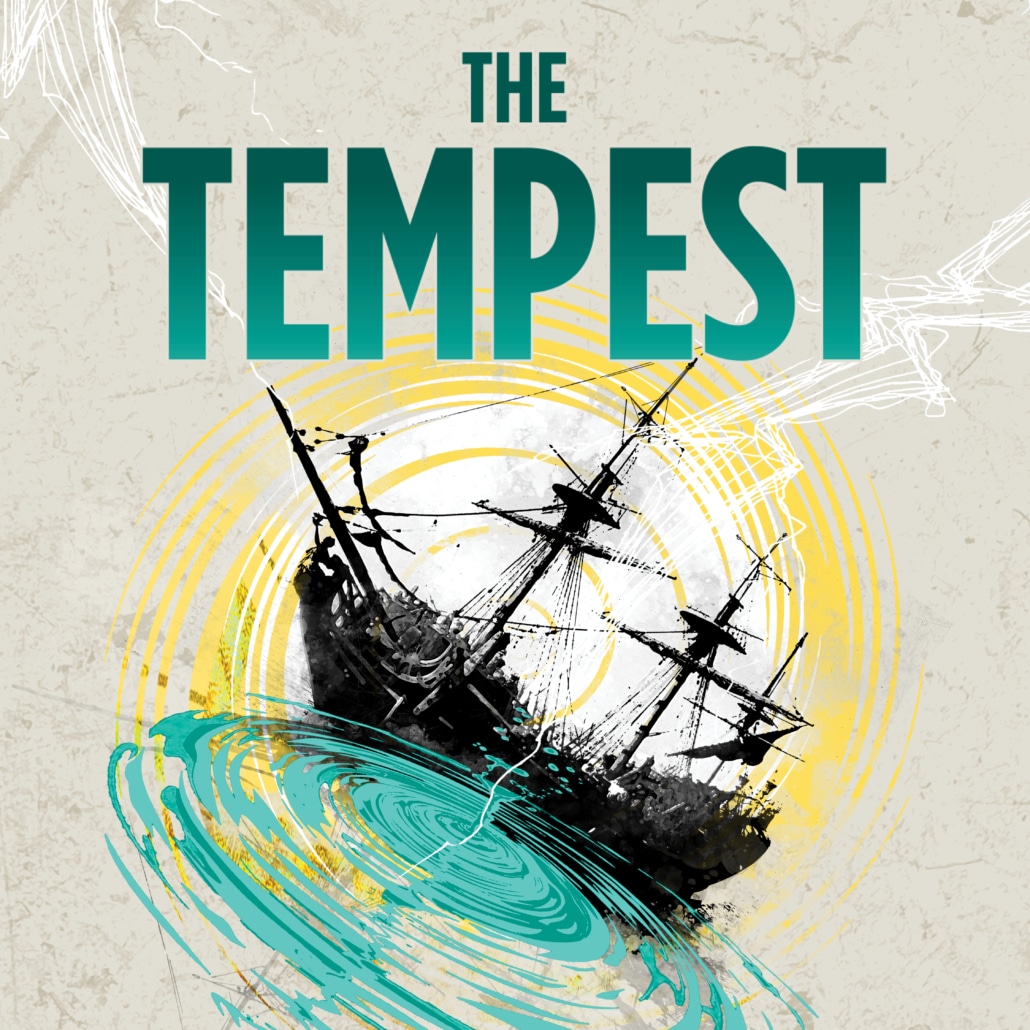
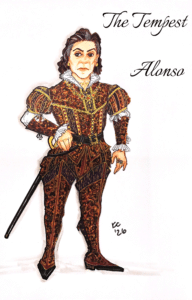
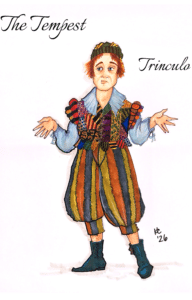
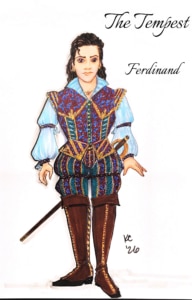
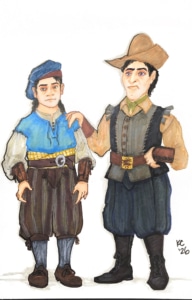
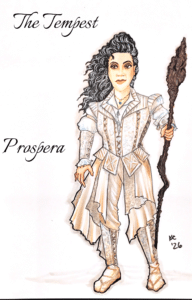
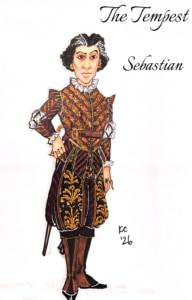
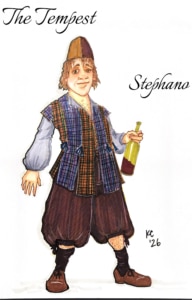
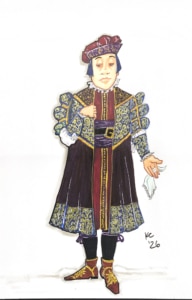
 The storytelling and characters of every Denver Center Theatre Company production are enhanced through the color, texture, and form of the costumes. The 2026 production of The Tempest features gorgeous costumes designed by DCPA Costume Crafts Director Kevin Copenhaver, who has been sharing his dynamic artistry and expertise on Denver Center stages for more than 30 years. He took time to answer our questions about the creative process of his work on The Tempest.
Can you walk us through your typical process for developing a costume design for a production?
It always starts with the script. Reading the script, analysis of characters, time/place, any clues that are embedded in the script as to who the characters are and how they might move through and function in their world inform the launching point for costume.
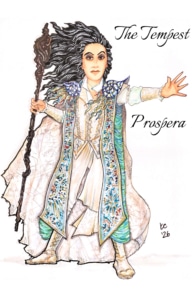
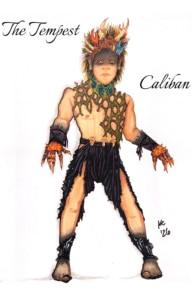
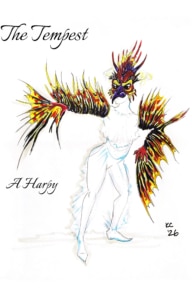
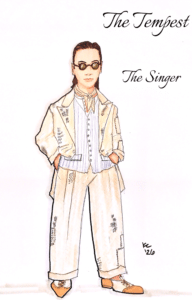
Is your approach different when designing a Shakespeare production? What inspirations or factors influenced your costume design for The Tempest?
No, not really. I do think that with Shakespeare it is important to be very clear about character. Making decisions about dress that help illustrate and inform the audience about the character in a recognizable way is always helpful. Not to say that you need to telegraph that information in an overly simplified way, but helping to illustrate the story in a visual way through costume is good storytelling.
Because The Tempest is a play that leans on magical concepts, I felt free to “ease” into the period (late 16th Century) without being beholden to absolute historical accuracy in terms of fashion or costume. There is a fantasy element that is woven throughout the design that gives a little breathing room to the constraints of period clothing. This is evident in fabric and color choices I’ve made, acknowledging the period silhouette, but expounding on it a bit to allow room for imagination and interpretation.
Are there other factors that influence your creative decision making?
As a Costume Designer, it’s my job to design the looks, but I also have to take into consideration the practicality and functionality of the garments. This also involves thinking about the stage-worthiness of the clothes (durability, etc.), the budget, the constraints of time and the capacity of the costume shop to build the clothes, etc.
How do you work with directors, actors, and other creative team members to ensure the costumes help create a unified vision for the production?
Part of this is what happens when we have the initial design conference. The Director of the play will usually have an idea of period and place for the piece as a launching point, but the designers (set, costume, lighting, sound, etc.) then take that and expound on those ideas, hopefully coming up with an integrated visual language for the production.
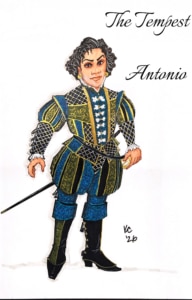
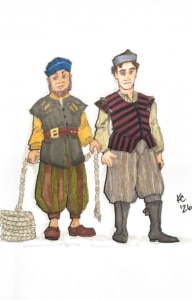
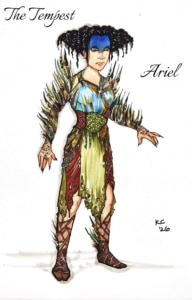
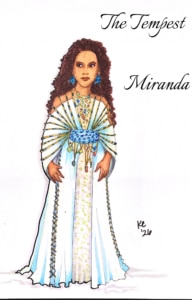
Are there specific costumes or aspects to costumes in this production that you personally like the most? What do you feel makes them special or unique?
I love designing period pieces in general. One of the pieces that I’m very much looking forward to is Prospera’s magic garment or cloak. There are elements of alchemy and magical symbols, ancient sea-faring maps, mythical sea creatures, and sacred geometry assembled together in this piece. The shoulder pieces are inspired by the deep-sea chambered nautilus – a very mysterious, quixotic creature. We are also learning (new to us in the costume shop) techniques to build some of the clothes. For example, Caliban’s open-work short tunic is wet felted wool and viscose fibers. We’re essentially creating the fabric in which to build this garment.
The Denver Center for the Performing Arts (DCPA) NewsCenter is the organization’s editorial platform for stories, announcements, interviews, and coverage of theatre and cultural programming in Colorado. We are committed to producing accurate, trustworthy, clearly sourced journalism that reflects our mission and serves our community