DCPA NEWS CENTER
Enjoy the best stories and perspectives from the theatre world today.

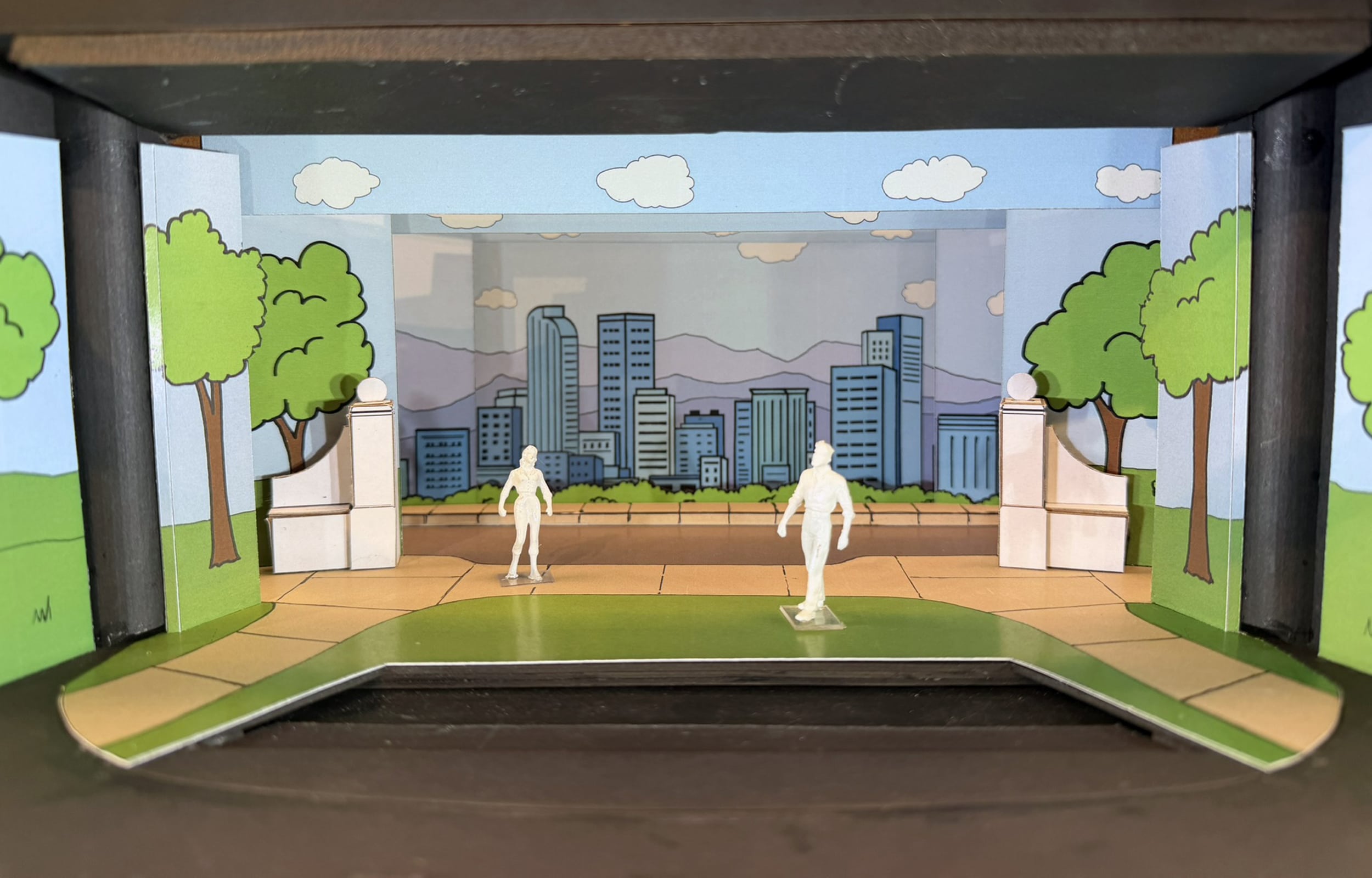
This fall, thousands of eager children will file into the Weeks Conservatory Theatre for the DCPA’s Theatre for Young Audiences program. After having served more than 210,000 PreK through third grade children in its first eight years, this season’s TYA production will delight a new flock of theatregoers with Mo Willems’ beloved children’s book, Don’t Let the Pigeon Drive the Bus!
But how does a pigeon drive a bus and how does a bus drive on stage?
Lisa Orzolek, Head of Scenic Design for the Denver Center Theatre Company, let us peek under the hood.
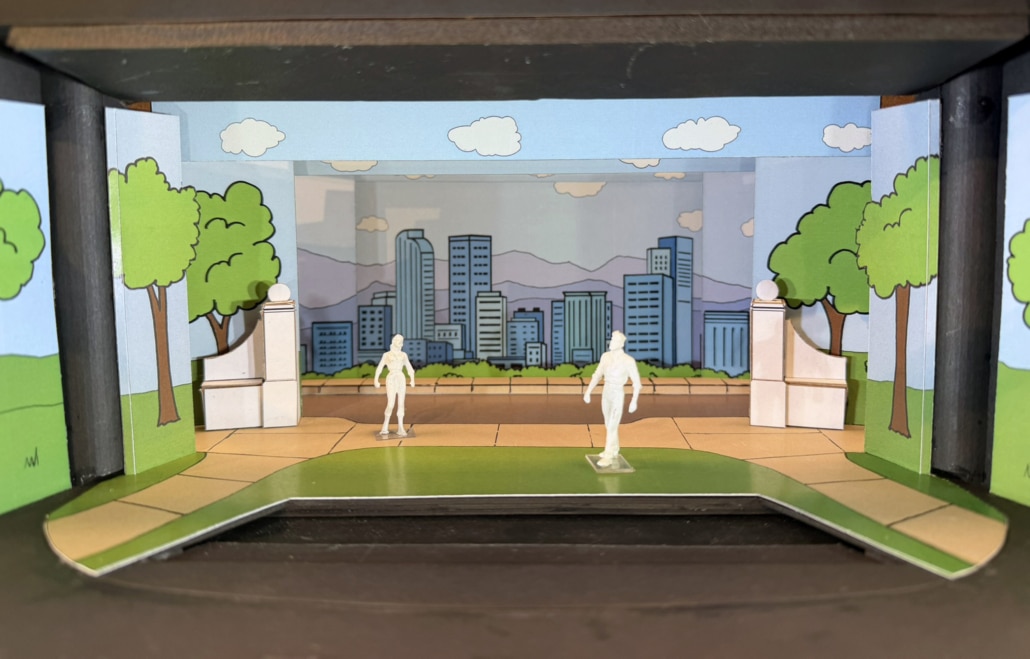
Mo Williams’ stories are “simple and relatable, particularly for younger kids,” said Orzolek. But his “illustrations are really about the characters and there is little to no environment,” so working with director Allison Watrous, they try to create a three-dimensional setting to complement the story.
“Allison is very much interested in creating a whole world that can expand beyond the stage into the lobby,” Orzolek explained. That can pose a challenge when the book’s illustrations don’t provide an indication of what Willems’ world looks like. “He’s pretty much like, ‘These are the characters, this is the bus,’ so it’s up to the imagination of the set designer to come up with something.
“Children’s theatre sometimes has a simplistic approach to the design. Instead, we want the design to be a little more realized, more dimensional and interesting, like the designs seen on the DCPA main stages.”
Using the power of the imagination, a bus will appear on stage to transport characters through the story. Because Willems’ illustrations are so iconic, care had to be taken in the bus design. Instead of a motorized vehicle, like a golf cart, or a unit that runs in an automated track, it “will be wheeled and people powered. We want the bus to be its own character. We may attach the back of the bus to a track to keep it from going too far downstage, but the front can have a little bit of movement and not just track straight across the stage.”
The set had to accommodate actors, puppets, and puppeteers, all of which had to be factored into the design to allow for adequate space and staging. And, lest we forget, the main character is a bird who not only wants to drive a bus but, by nature, wants to fly.
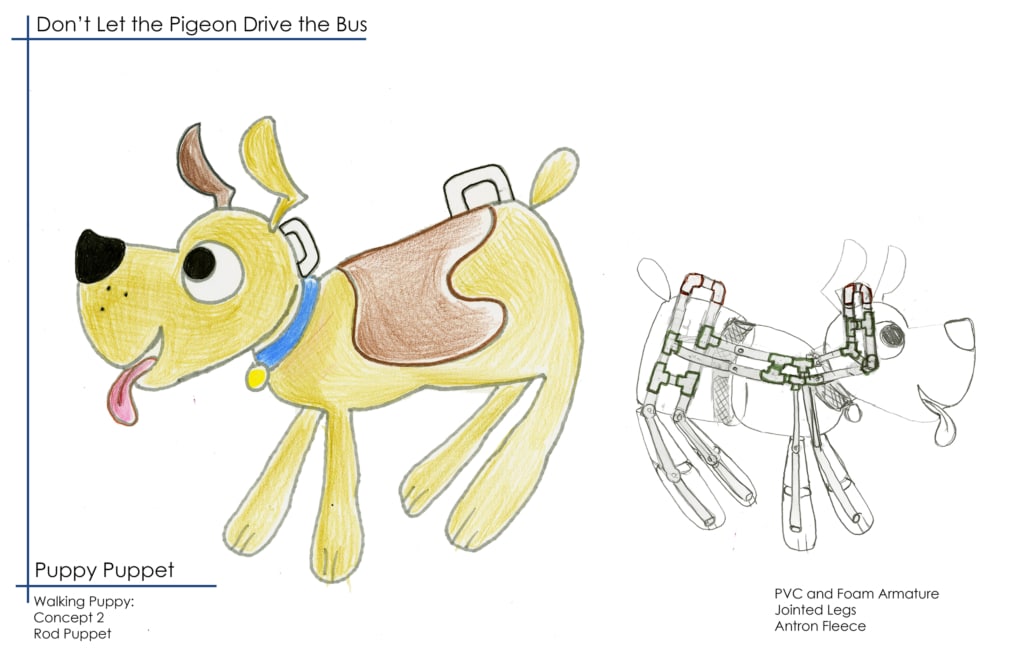
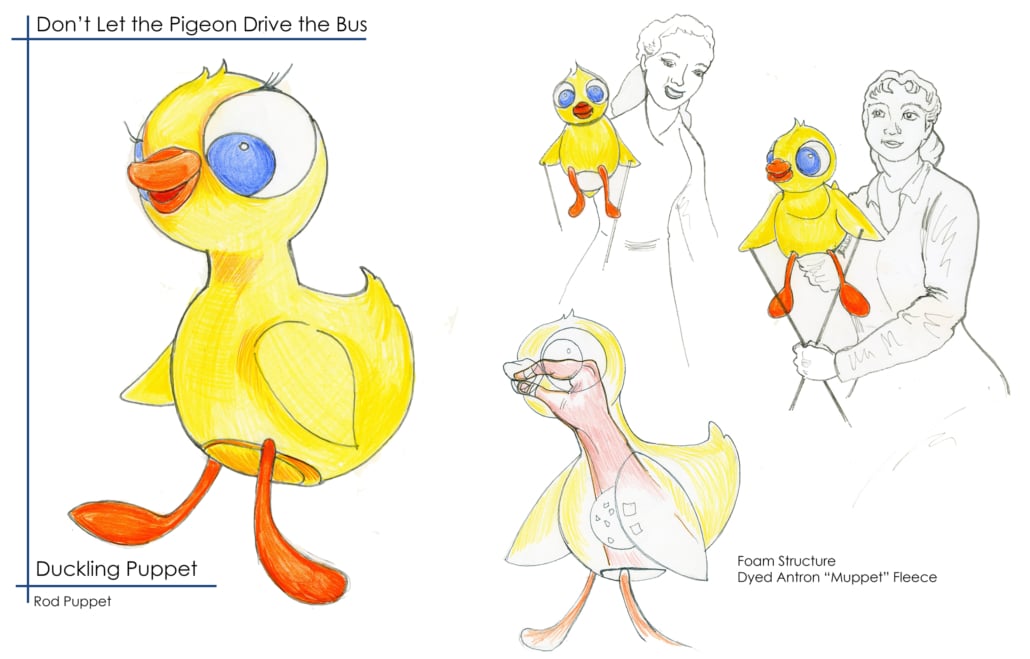
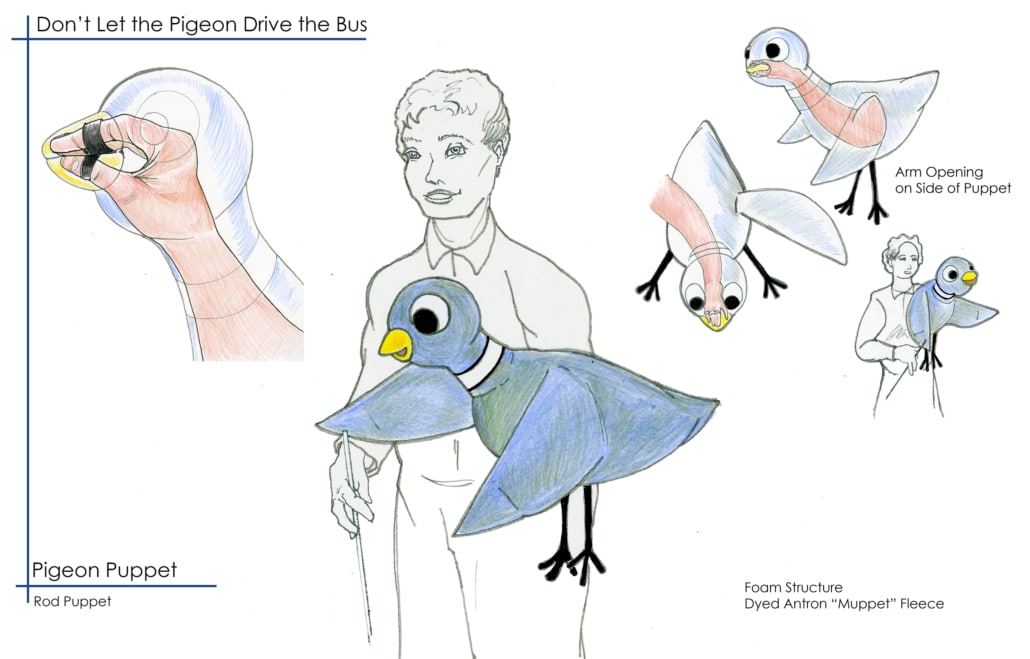
“Flying will be achieved with theater magic,” continued Orzolek. “I think all you need to say is the words “I’m flying” and let the audience’s imagination take off. The flying is going to be achieved with the performer who is puppeteering the pigeon to make it fly, and lights and sound will enhance this action.”
This audience, she noted, flies all the time with a cape or simply flapping their arms, so they are ready to believe in magic.
“Watching a TYA show is so fulfilling because the kids get excited about everything and it’s such an honest reaction,” said Orzolek. “This is often the first show they’ve ever seen and they’re so excited. It just makes you feel like, wow, I’ve made a difference in someone’s life today, introducing them to live theatre.”
The Denver Center for the Performing Arts (DCPA) NewsCenter is the organization’s editorial platform for stories, announcements, interviews, and coverage of theatre and cultural programming in Colorado. We are committed to producing accurate, trustworthy, clearly sourced journalism that reflects our mission and serves our community.
 Denver Center Theatre Company