DCPA NEWS CENTER
Enjoy the best stories and perspectives from the theatre world today.

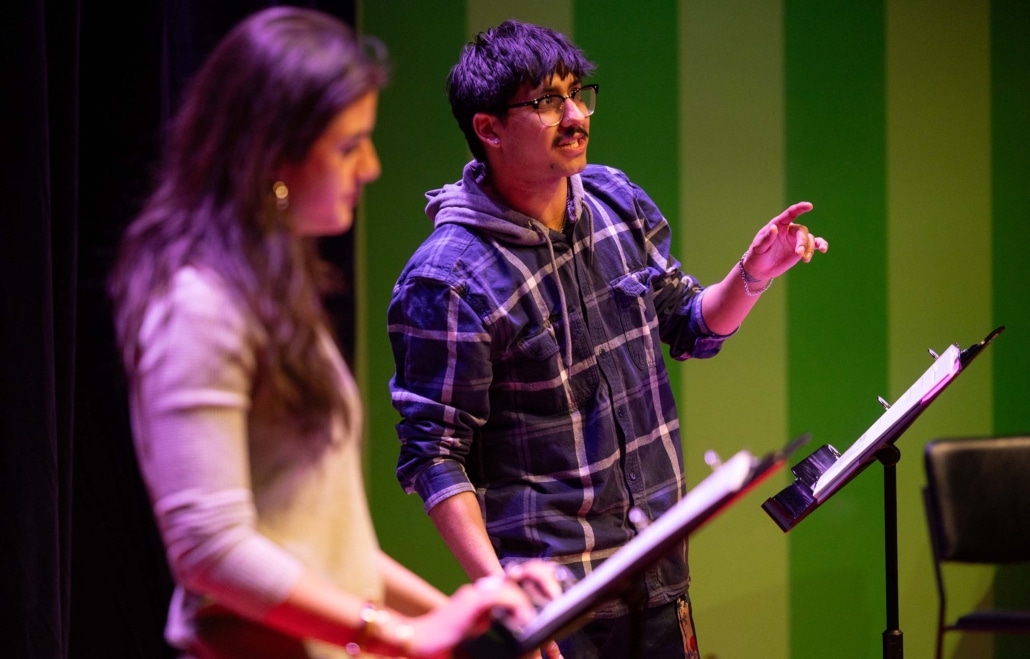
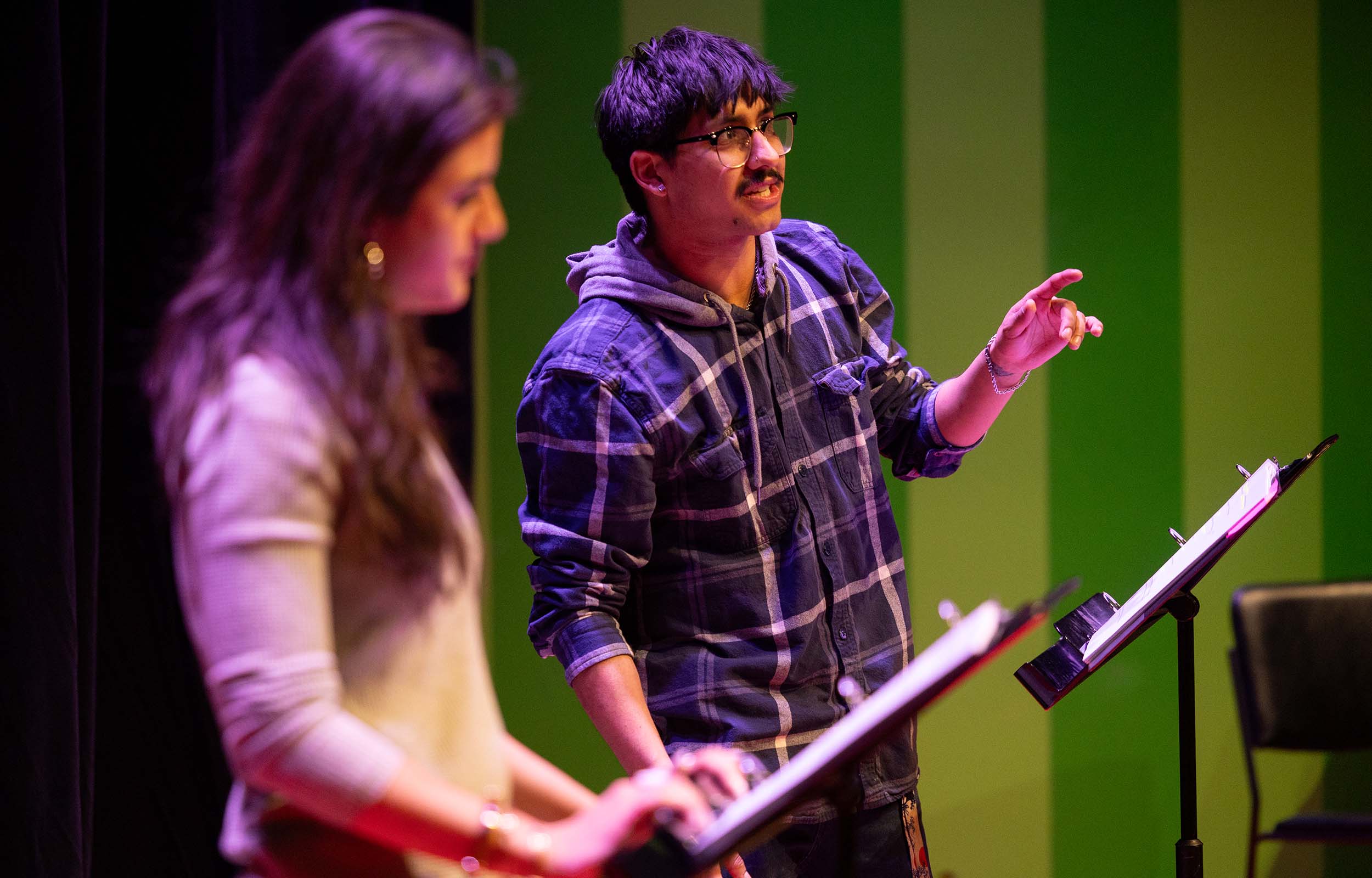
Reading of High School Playwriting winning script at the Colorado New Play Summit. Photo by McLeod9 Creative
Not every student sees themselves as a writer. But every student has something to say.
Storytelling is often associated with aspiring authors, creative kids, or students who love English class, but everyone has a perspective. The ability to tell a story doesn’t belong to the select few. It belongs to anyone willing to share how they see the world.
For young people, that perspective is often still taking shape. It lives in friendship and family dynamics, in questions about identity and belonging, and in moments of joy, grief, uncertainty, and discovery. Yet students are rarely told that these experiences are worthy of an audience.
That is what makes storytelling so powerful.
The Denver Center for the Performing Arts (DCPA) Education’s Middle School and High School Playwriting Program and Competition invites students to transform their perspectives into something others can experience.
For Heather Curran, Program Manager and Teaching Artist, the program is about more than teaching playwriting fundamentals.
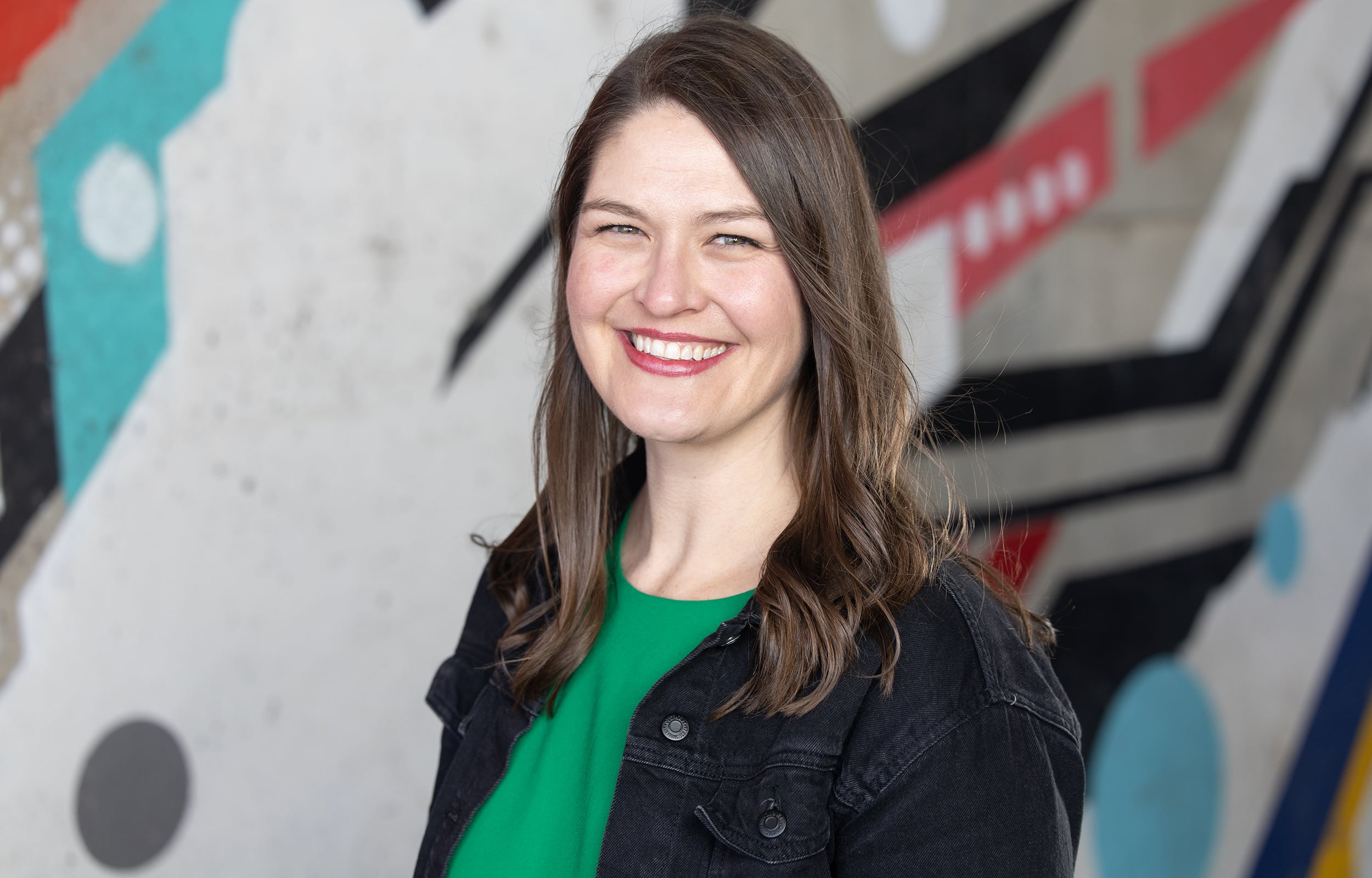 “It really is tapping into their voice,” said Curran. “We have some students who aren’t excited at the start of the workshop, but once we start generating ideas, we see a shift in their investment and engagement.” Over the years, Curran has watched students tap into their own creative point of view.
“We will often get student feedback that, ‘I didn’t ever consider myself a writer,’ or ‘I didn’t think I could do this, and this has really changed my perception of myself as a creative and as a writer,’” Curran shared. Highlighting the importance of sharing their own voice regardless of how similar their own thoughts may be to those of somebody else, Curran emphasizes “their voice is the only one that is exactly theirs.”
The stories students choose to tell reflect the wide range of experiences that shape their lives. Curran has seen plays tackle everything from family conflict and friendship to immigration, identity and social justice. Others embrace comedy, mystery, fantasy, or themes inspired by the stories they consume every day.
“What has really been impressed upon me is the universality of themes. You can be 11 or 46, and you’re still grappling with how to make friends and how to see yourself in the world.” — Heather Curran, DCPA Education Program Manager and Teaching Artist
One student wrote a play inspired by an uncle who was a victim of police brutality. Another explored immigration and young love through a story that was originally written in Spanish. For Curran, these stories demonstrate the power of giving young people space to explore questions that matter to them. Playwriting offers a unique way to do that. Unlike film, which relies heavily on visuals, theatre depends on words, dialogue, and human connection.
“There is something magical, you know, to write something and then get to hear it out loud,” Curran said. That moment is built into every workshop. Students begin with an idea and end by sharing a line they’ve written, hearing their words spoken aloud for the first time. For some, the impact lasts long after the workshop ends.
Others leave with a new understanding of what creativity can be.
Encouraging students to cultivate their voices matters because they are the storytellers of tomorrow.
“We need new stories and new playwrights who reflect the world around us,” Curran explained. “Every person has a truly unique point of view. We’ll never run out of stories.”
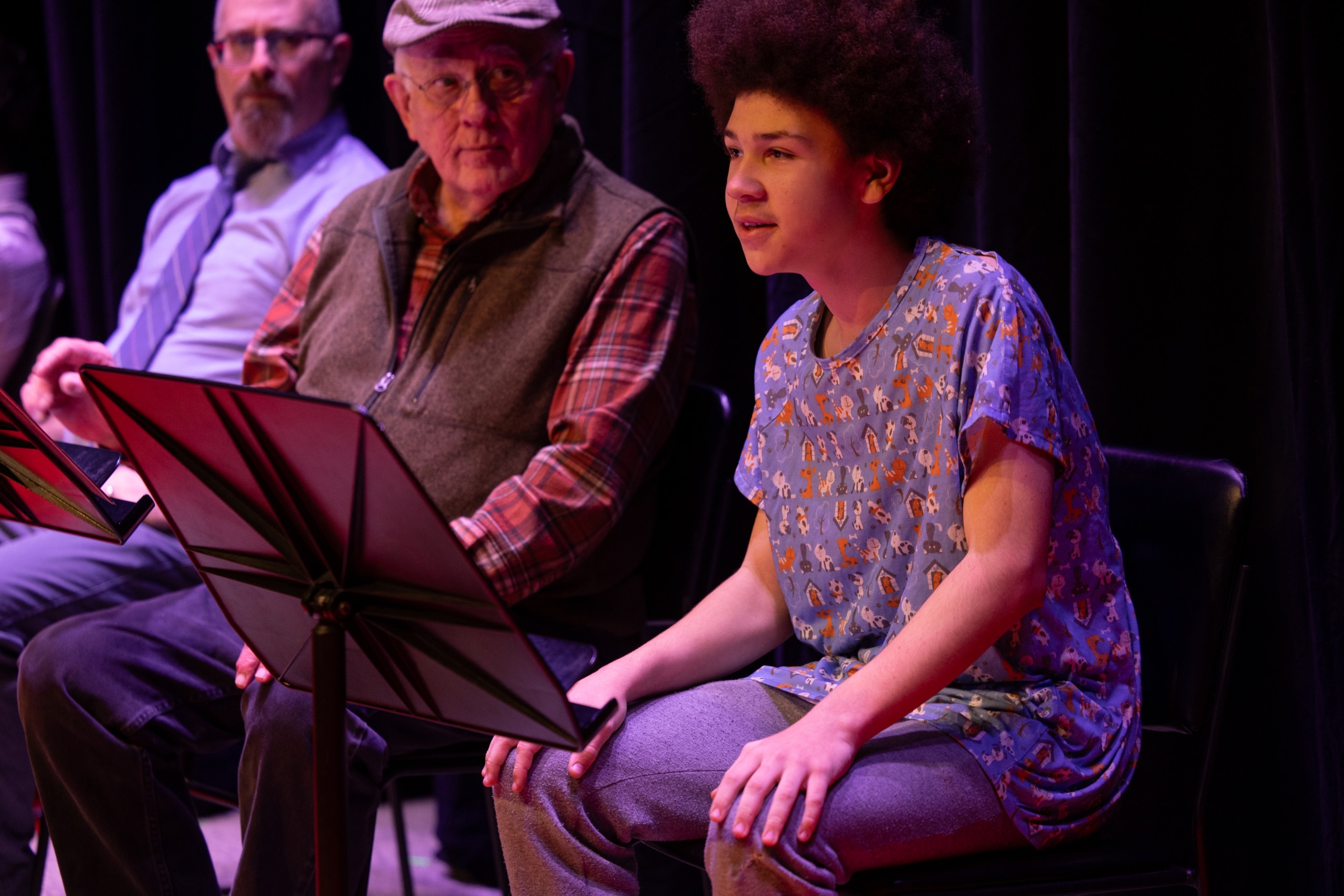
Reading of winning script. Photo by McLeod9 Creative
For more than a decade, the program has offered free one-act playwriting workshops that introduce students to the fundamentals of playwriting, character development, and dialogue. Since the program began in 2013, DCPA teaching artists have facilitated over 1,700 workshops for over 35,000 Colorado students and published 57 student plays.
Thanks to the generosity of sponsors Robert and Judi Newman, Transamerica, and the Genesee Mountain Foundation, all workshops are free for teachers and schools, helping ensure students across Colorado have access to meaningful creative opportunities.
With submissions for the 2026 Middle School and High School Playwriting Competition opening in early October, now is the perfect time for students to begin exploring their ideas and for educators to bring workshops to their classrooms.
Every year, students across Colorado prove that great stories can come from anywhere: friendship, a family memory, a question about the future, or a world imagined from scratch. The DCPA’s playwriting program provides the invitation. The stories have been there all along.
The Denver Center for the Performing Arts (DCPA) NewsCenter is the organization’s editorial platform for stories, announcements, interviews, and coverage of theatre and cultural programming in Colorado. We are committed to producing accurate, trustworthy, clearly sourced journalism that reflects our mission and serves our community.
 DCPA
DCPA