DCPA NEWS CENTER
Enjoy the best stories and perspectives from the theatre world today.


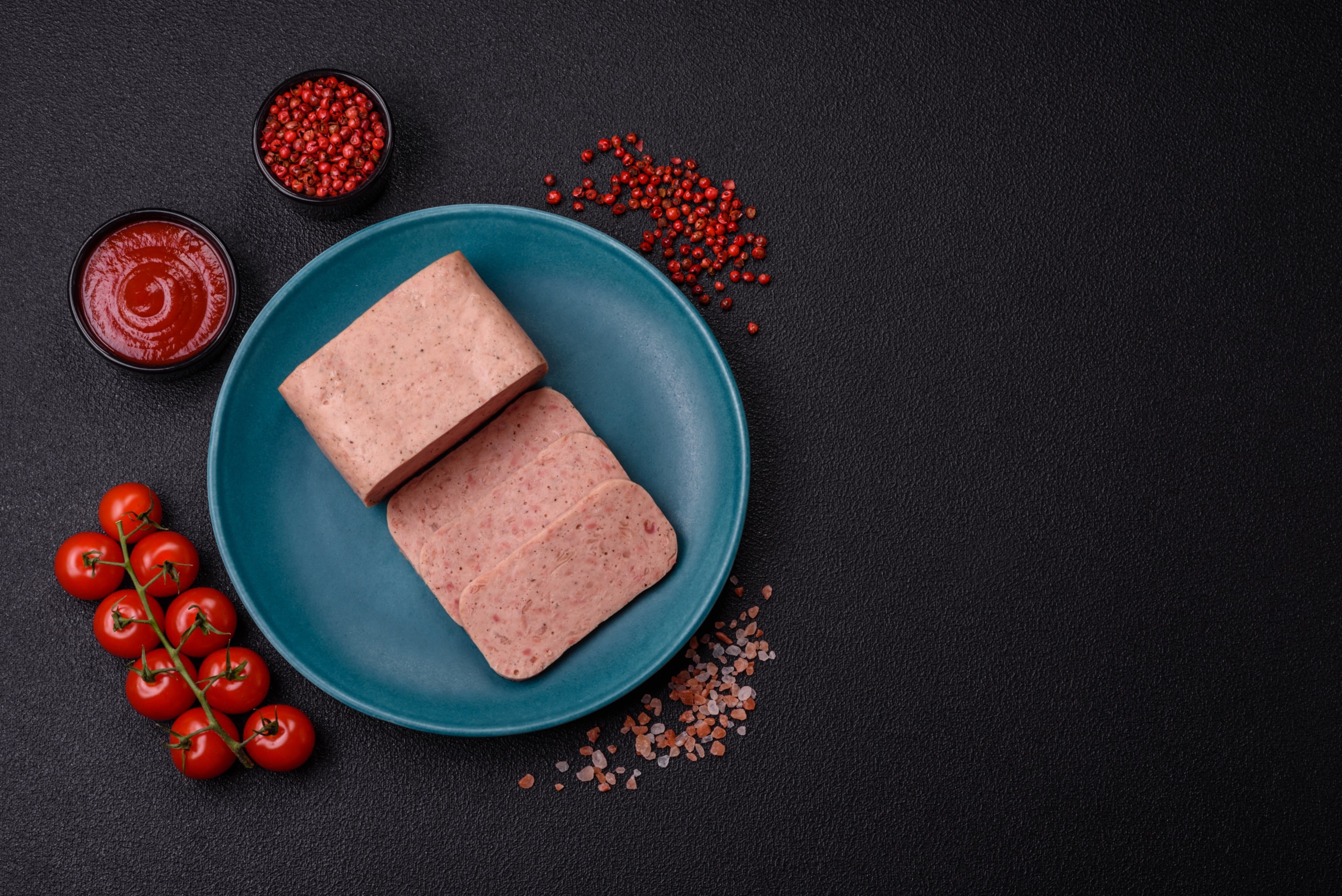
Who among us has eaten SPAM®? Now, come on. Be honest.
You can get a 12 ounce can of salty, spammy goodness for around $4. It comes in a variety of flavors — oven roasted turkey, hickory smoke, jalapeño, bacon, maple, hot and spicy, teriyaki, low sodium, lite, and good ol’ classic.
That doesn’t even take into account the international flavors.
South Korean sells Korean BBQ, Gochujang (Korean chili paste flavor), and Kimchi. Japan sells its own barbecue version. The Philippines sells a Tocino seasoned variety (sweet-cured Filipino breakfast pork) while Hawaii offers a Portuguese Sausage.
By spam, there are even cheese, garlic, honey, chorizo and…wait for it…pumpkin spice varieties!
How did this inexpensive canned meat go from laughingstock of aisle 6 to one of the most recognizable staples of high cuisine?
It all began in the 1930s when Hormel Foods wanted to discover a use for pork shoulder, which was a cut of meat that was underperforming in the grocery store. The company developed a relatively simple recipe: pork, ham, salt, water, potato starch, sugar, and sodium nitrate (a preservative).
Cooked inside the can, SPAM is a tasty shelf-stable, ready-to-eat meat that doesn’t have to be refrigerated. Unsurprisingly, when World War II broke out, the U.S. military delivered over 100 million pounds of this durable, portable, canned meat alternative overseas. Troops took it to Europe, the Pacific Islands, Japan, Korea, and elsewhere — many of the places where it continues to be incredibly popular to this day.
SPAM became a staple ingredient in many of the Pacific regions in such dishes as SPAM Musubi in Hawaii (grilled SPAM on rice wrapped with nori seaweed), Korea’s budae jjigae (army stew), and Spamsilog in the Philippines (SPAM, garlic fried rice, and eggs).
But we in musical theatre like to think that the real catapult happened in the 1970s when Monty Python introduced SPAM into popular culture through its comedy sketch entitled “SPAM” for Monty Python’s Flying Circus, which was set in a restaurant where nearly every item contained SPAM. According to Wikipedia, the word “spam” was used in the sketch so repetitiously as to be intentionally annoying, ultimately leading to its adoption to describe unwanted emails.
The comedy troupe didn’t stop there. In Monty Python and the Holy Grail, the Knights of the Round Table sing:
We’re the knights of the Round Table, we dance whenever we’re able…
We eat ham and jam and Spam a lot.
According to Eric Idle, one of six members of Monty Python who later wrote the books and lyrics for Spamalot, the song, in fact, inspired the musical’s name. That it happens to be a play on Camelot becomes a fun pun for the show.
Over the past 90 years, more than 9 billion cans of SPAM have been sold. In fact, SPAM is sold in 50 countries and 12.8 cans of SPAM products are eaten every second. Succumb to the pressure! Visit SPAM online for recipes, fun facts merch, and a museum. And if you don’t get your fill there, there’s always Monty Python’s Spamalot.
The Denver Center for the Performing Arts (DCPA) NewsCenter is the organization’s editorial platform for stories, announcements, interviews, and coverage of theatre and cultural programming in Colorado. We are committed to producing accurate, trustworthy, clearly sourced journalism that reflects our mission and serves our community.