DCPA NEWS CENTER
Enjoy the best stories and perspectives from the theatre world today.

People in Denver driving along 38th Avenue at Tennyson Street can be forgiven if they wonder what those two strange structures are, just fleetingly visible off to the south. One appears to be a 12-sided, open-air pavilion with a gently rounded circular roof, while behind across a grass lawn is some type of massive old wood Victorian building, painted green with white trim, with a giant copula on top. What could these be?
Well, it’s worth a second or two to ponder. The large green and white building was once the temporary home of a world-famous princess-to-be, Grace Kelly. Without this building, one of the most popular films of all time, It’s a Wonderful Life, would not exist. And most probably, neither would the Denver Center for the Performing Arts. Among the people who once graced the stage here are Sarah Bernhart, Robert Redford, Edward G. Robinson, Lana Turner, Mickey Rooney, William Shatner, and Denver’s own, Douglas Fairbanks — both Sr. and Jr.
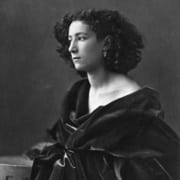

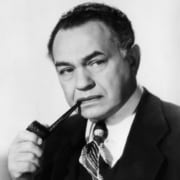


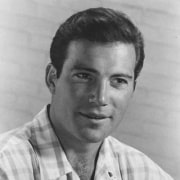
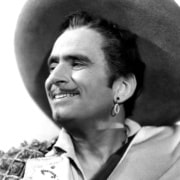
It is, of course, Elitch Theatre, Denver’s oldest cultural institution. Constructed in 1891, the building never had heat or air conditioning. It was abandoned for 11 years, during which time a den of foxes moved in and pigeons took over the copula. It was never meant to last 135 years. But because of its amazing history, it has been lovingly preserved and restored, and today in spring through fall it is again filled with the noise of productions of theater, music, dance, magic, applause, and, naturally, ghosts.
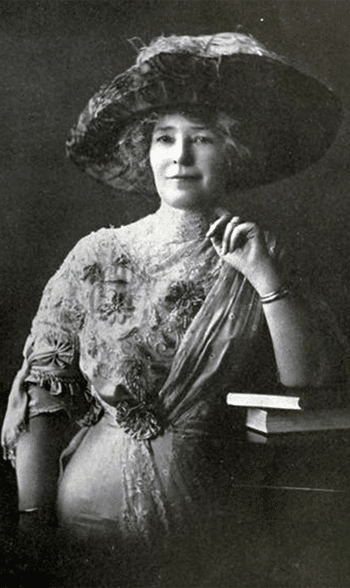
Mary Elitch
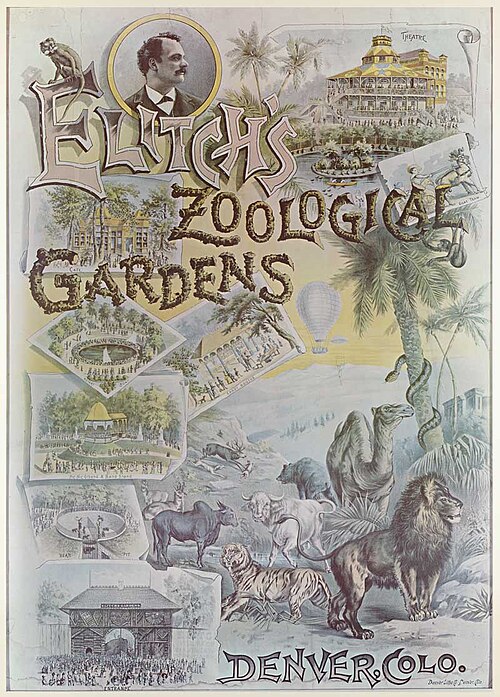
The theatre, along with its neighbor across the lawn, the Old Elitch’s Carousel Pavilion, are the last two remnants of Elitch Gardens, Denver’s original amusement park that opened in 1890, when Denver was just 30 years old. The resort park was the brainchild of John and Mary Elitch, who turned their country farm into one of the first zoos west of Chicago and Denver’s first botanic garden. Mary Elitch adored animals and would ride over the grounds in a cart hitched to an ostrich while the park had two lions, four bears, two wolves, eight monkeys, and an elephant.
Over time, Elitch’s would become home to Denver’s first symphony orchestra, first motion picture theatre, and the famous Trocadero Ballroom, which had a 150-foot-long dance floor of polished wood sitting on a layer of horsehair so that dancers felt like they were gliding as they danced to the sound of the nation’s biggest swing bands. Elitch’s was also known for its thrill rides, roller coasters and spectacular annual gardens including a famous floral clock with flowers grown on site in greenhouses that covered 3.6 acres.
But Mary Elitch’s true passion was theatre. Elitch Theatre was designed in 1891 by local architects Rudolf Liden and Charles Lee and was a two-story octagonal enclosed auditorium that could seat 600, surrounded by an open (and later closed) veranda. A towering backstage building on the western side held the curtains, sets and a movie screen, while a castle-like cupola crowned the roof.
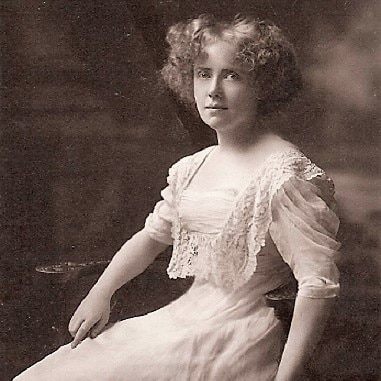
Antoinette Perry
At first the theatre staged vaudeville featuring pantomime, comedy, minstrels, equilibrists, jugglers, animal acts, high-wire acts, strongman acts, and trick bicycles. But in 1893, the Frank Norcross Stock Company was engaged to mount a different play each week for the 15-weeklong season. This was the first summer stock theatre season in America and served as a national model. A famous actress at this time was Antoinette Perry, a Denver native, who made her Elitch debut in 1904 and appeared in other Elitch productions. She also directed the original Broadway production of Harvey, written by fellow Denverite Mary Chase. Antoinette is remembered today by the Tony Awards, which were named in her honor.
In 1916, poor weather, movie theatres and automobiles created a trifecta that pushed Elitch Gardens into bankruptcy, and Mary Elitch sold the park, which was eventually acquired by Denver businessman John Mulvihill with the stipulation that it always be called Elitch’s and that Mary Elitch be allowed to live on the grounds, which she did until moving across the street in 1932 and dying in 1936.
Mulvihill ran Elitch’s until his death in 1930, when his son-in-law, Arnold Gurtler, and Gurtler’s sons Jack and Budd took over. The theater hiring process under Mulvihill and the Gurtler’s was for them to travel to New York, see the plays and interview potential actors. Their notes indicate that they rejected Clark Gable (has a mustache) and Charlton Heston (needs a haircut), but they accepted Frederick March, Jane Wyatt, Patricia Neal, Raymond Burr (before Perry Mason!) and a virtually unknown Grace Kelly, who was performing at Elitch Theatre when she received a telegram offering her a role in High Noon, a film that launched her to super stardom and royalty.
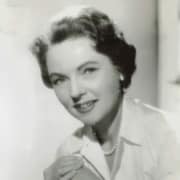
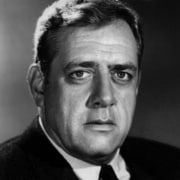
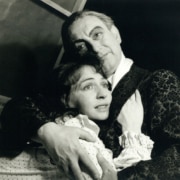
In the 1928 summer stock at Elitch’s, fellow actors Albert Hackett and Frances Goodrich met, fell in love, and married, becoming a screenwriting duo who, along with Frank Capa, wrote It’s a Wonderful Life. The Elitch duo also wrote screenplays for The Thin Man, and both the play and film The Diary of Anne Frank.
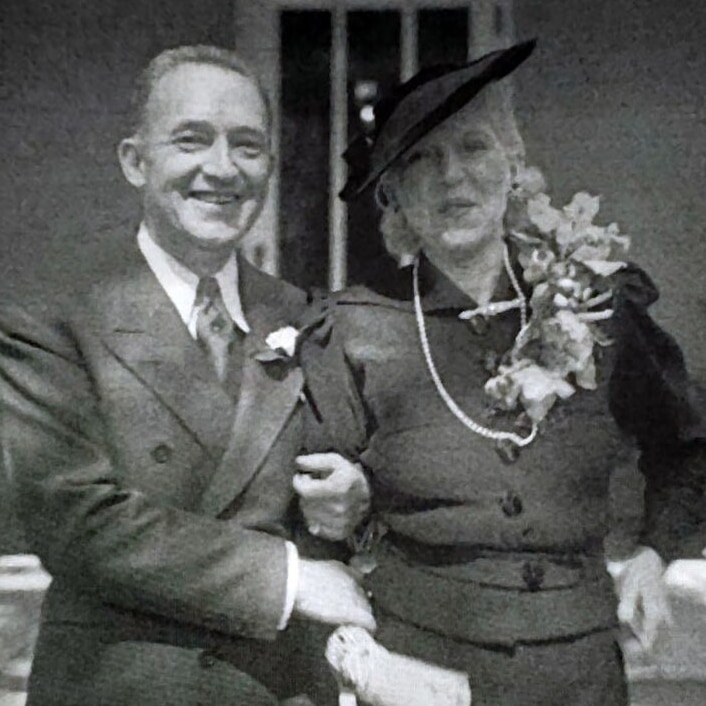
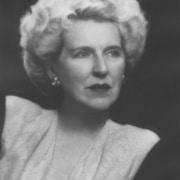
George Somnes and Helen Bonfils
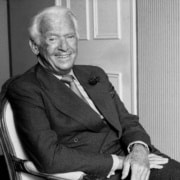
Yet another famous actress at Elitch Theatre auditioned in 1934 as a Miss Barton. She was actually Miss Helen Bonfils, heiress of The Denver Post and one of the wealthiest women in the West. Her great passion was the theatre and she worked for 13 years as a character actress, specializing in world-wise grandee dames. She also met and married Elitch Theatre director George Somnes and in 1963 became the producer of Elitch Theatre with her friends, actor Whitfield Connor and his wife Haila Stoddard, a couple who had met while performing at Elitch’s. Miss Helen (as she was always known), Stoddard, and then-New York attorney Donald Seawell (founder of the Denver Center for the Performing Arts) later produced Broadway shows including Sail Away in 1961, The Affair in 1962, The Hollow Crown in 1963, and The Beast in Me in 1963. Miss Helen’s love of theatre was first inspired by Elitch Theatre and existed all her life. Upon her death in 1972, both the Frederick G. Bonfils Foundation and the Helen G. Bonfils Foundation ceased acting as private charities and diverted all funds to a permanent endowment to create the Denver Center for the Performing Arts.
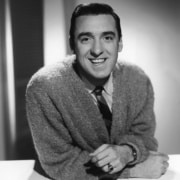
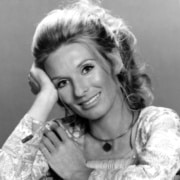
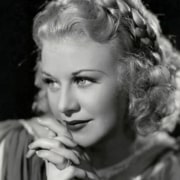
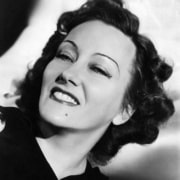
During the 1960s and 1970s, Whitfield Connor introduced the “Star Package” system for Elitch’s, in which new plays would come to the theatre each week, usually headlined by a major TV star or famous name of old Hollywood. Debbie Reynolds, Jim Nabors, Cloris Leachman, Ginger Rogers, Gloria Swanson, and William Shatner were stars during this period.
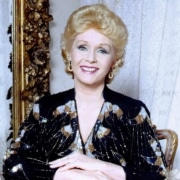
But times change. By 1982, there were only eight quality summer stock theatres left in America, and in 1987, Nunsense became the last production at the old Elitch Theatre. The Gurtler’s moved the amusement park to downtown Denver in 1995, and the theatre officially closed in 1991, sitting empty for the next 11 years.
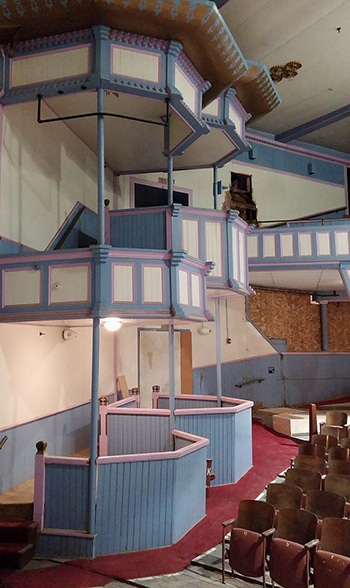
Elitch Theatre Box Seats
But then in 2002 a new non-profit organization, the Historic Elitch Gardens Theatre Foundation, was formed to raise funds, maintain, preserve, and restore the theatre and carousel pavilion. In 2006, the Foundation received $5 million in federal, state, and city funding, plus grants and private donations, and work began on Phase 1 to save and restore the historic exterior. Phase 2 of the restoration (2013-2014) included various health and safety upgrades, including restoring electricity and lighting throughout the building and the addition of a fire suppression system. Phase 3 (2020-2021) added restrooms and the theatre is now able to open for shows, films, musical productions and more.
And the ghosts? Well, they are still there, just waiting for you to stop by. A good place to start is picture gallery as you enter the theatre. Here there are 100 photos of just some of the stars who played at Elitch Theatre in its more than a century of theatre. Pick any one you like, and their ghost might be just around the corner. Or maybe under one of the historic seats. Who knows who has sat in your seat over the past 135 years and might be coming back for one more show.
Historic Elitch Theatre is celebrating its 135th anniversary. Discover how you can support the restoration and preservation of the iconic venue.
The Denver Center for the Performing Arts (DCPA) NewsCenter is the organization’s editorial platform for stories, announcements, interviews, and coverage of theatre and cultural programming in Colorado. We are committed to producing accurate, trustworthy, clearly sourced journalism that reflects our mission and serves our community.